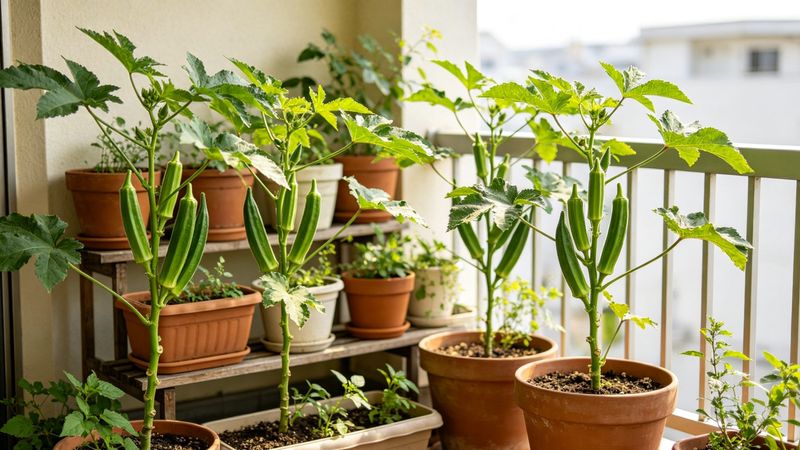
Artemisynthesis, known as artemisinins, water artemisinins, artemisinins, etc., is often found in close proximity to water and has a long history of feeding. In the 1980s, artificial cultivation was successful in the outskirts of nanjing and has gradually become a local famous vegetable variety, and in recent years other regions have been involved in planting. Feeding with fresh tubers, fresh perfumes, nutrients and thermal detoxification, appeasement and blood pressure. It's good to have a cold and a fried meal. Artemisynthesis is highly resilient and prone to harm-free cultivation。
I. Characterization
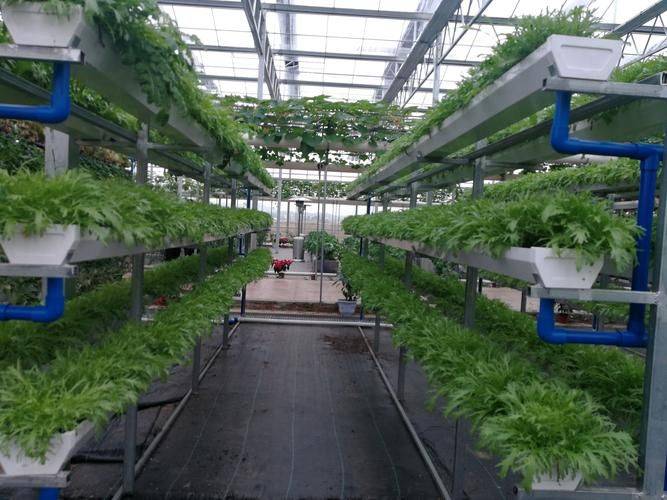
Artemisin is a home-grown herbs plant for years. It is well developed and has a strong absorptive capacity. It is thick and juicy, lying about 20 centimetres beneath the ground, where it is possible to store its organs and breed them in order to produce them. The top of the ground is straight-on, green, green or purple, and ripe and brown. Single leaves are born to each other, feathers are fractured, green, with short hair on the back. In early autumn, the head-picking line of leaf argon was intensely condensed into a long chord line, with yellow small flowers in september-october. Skinny fruit is small and can be released when mature. They are cold and wet and they are not resistant to drought. At 5 °c or above, the growth of the springing tops of the ground begins, 12 - 18 °c is most suitable for the growth of the organ of the product, and at 20 °c and above, the quality declines. Soils are highly adaptable, but fertile and loose. They grow full of sunlight, but they grow old in the light。
Ii. Main varieties
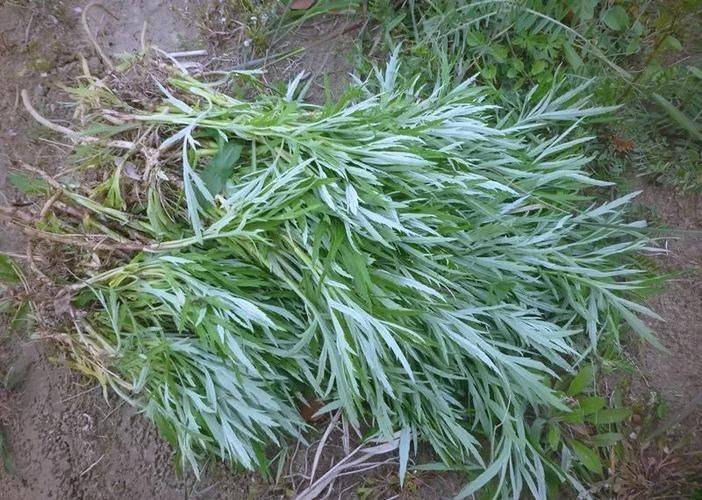
They are divided by leaf type into large-leaf and severed-leaf artemisinin. They are called willows, they are fractured and they are green. It's cold and it's very early and productive. They are also known as chicken claws, leaf plumes are fractured, and they are green. The smell is strong, the quality is good, the resistance to cold is low and the production is low. They are divided into truffles, almonds and red tremors. The red tremors are strong, but the fibres are high, late and low. Artemisynthesis is used more often in cultivation (better green) or in cultivation (better green)。
Elements of cultivation techniques
1. Reproduction. (1) cultivation: in mid-may, the plants were dug up and cut off their roots, planted in the field at a distance of about 40 centimetres, with one to two plants per lacuna, then watered down for about a week. (2) staple reproduction: in july and august, the upper half of the ground was cut off, the tubing was cut off and buried in the ground at a distance of 40 centimetres into a single form, deep about 6 centimetres and the soil was kept humid. (3) cultivation: between late june and august, slitting of a strong tuber, cutting of a small part of the tuber growing by about 20 centimetres, inserted into the field, with a capacity of 4-5 centimetres per lavender, 35 centimetres x 30 centimetres, immersion of water, 10 days or so. (4) subterranean tubing: digging a strong subterranean truncheon, cutting into two to three sections, lying in shallow ground and pouring out water。
Field management. (1) land as a whole: a field with a pre-opaesy crop is selected, tanned (frozen) platinum is cultivated and 3,000 kg of high-quality manure is applied per acre prior to planting, to make it a high plume of 1. 5-2 metres wide. (2) fertilizer management: the fields are always humid and water is often watered during high-temperature dry seasons. During the period september-october, once before the shack and after each harvest, fattening was carried out with urea of 5 to 10 kilograms per acre and water was distributed. (3) prevention of disease and grass. The main pests are aphids, cotton bell bugs, corn troubles, etc., which can be combated by high-efficiency, low-toxic and low-residency pesticides, such as ephemerals and kades. During plant growth and after each harvest, weeds are cultivated in a timely manner to promote the development of the tremors. (iv) coverage: after the death of the roof of the ground by frost, the ground is removed, the fields are cleaned, fertilized, watered, shacked after about a week and covered with membranes. Proper ventilation is provided daily at noon to reduce humidity in the shed。
Collection. After 40 to 45 days from the shack, when a 20 to 25 cm plant is grown, the ground is cut off, the heart leaves preserved, the leaves removed, bound to the shade, wet cloths covered, and the market is ready in 8 to 10 hours。