April management points
One, excavated, sprung
When it grew to 10-15 cm, a new, well-developed top chicken was chosen to grow at the base of the tree, and the rest was erased. The principle to remain strong is not to remain thin。
Two years of seedlings and many years of seedlings: when the bud's eyes reach the hours of corn grains, it begins to sprout and pick. First of all, the brooding of the cranium below 50 cm above the ground is wiped out, and more than 50 cm is removed from the twin buds in the buds and the thin buds in the buds, each with a strong full bud。
2. Settling, spray protection
It takes place when a new 15 cm or so is shown. It is based on the principle of one new spot per 25cm or so (generally 8-10 new sets per square metre). The ratio of branches to developmental branches is 1:2. The remaining new floors must be evenly distributed across each shelf, so that the grapes can be radiant. In later growth, the after-emergence seed shall be erased. The spray then protects the tree。
May management points
1. Discrepancies
Volkswagen is a useless organ that not only consumes nutrients, but also causes many diseases, which must be removed in time for new rolls to grow throughout their lifetime。
2. Tie
The seedlings were detached in time to keep the plants standing. 15 cm deep below the ground, with a thumb-blowed bamboo pole, and a new tip. This is done in a way that allows for a smooth distribution of new places, a firm tie and a more relaxed one, allowing for more room for growing plants. When two years and years of fresh seedlings grow to 60 cm, a bow is made to draw the branches down, head down, place the ears at the top of the branch, and tie them evenly to the surface. Pro-ventilating light in case the wind breaks the branches。
Three. Snooping
When the gravitational sequence appears, the seeding takes place as early as possible, depending on the load per chicken of the plant. And keep the chickens for a long period of one or two ears, and crush the chickens with fruit, and so the branches keep a single ear, and the weak branches leave no ear. The two and three reoccurrences were removed in time。
4 - ears
Scratch both the squints and the first and second squints. One quarter of the tip of the ear, so that it's full and square。
June management highlights
1. The new heart
The flower starts five to seven days later, with the result that the branches are ingested and leave around 10 mature leaves above the ears. The growth branch leaves 10 to 13 leaves for the heart。
For the first time in the year, when the length of the chicken was extended to about 1. 5 metres, it was the heart that contributed to the increase of the main chicken。
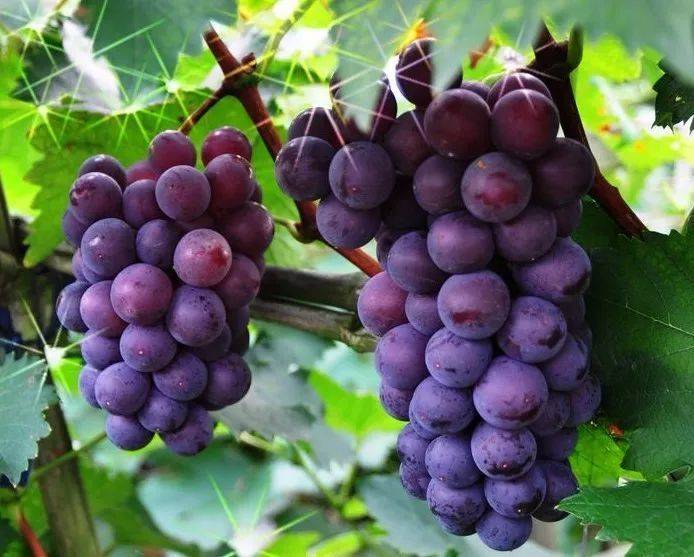
2. Subtracting
Up to 50 cm in the year, three leaves were reserved for the heart. Over 50 cm, the side leaves four to six leaves to the heart, while the side leaves a leaf to the side。
Two-year seedlings and multi-year seed stalks: as a result, the following stalks have been wiped out and a leaf has been cut off from above. A branch of growth leaves a leaf to be taken repeatedly。
Three, follow the ear
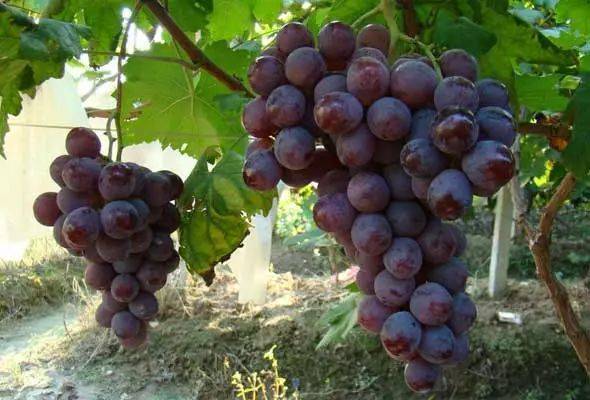
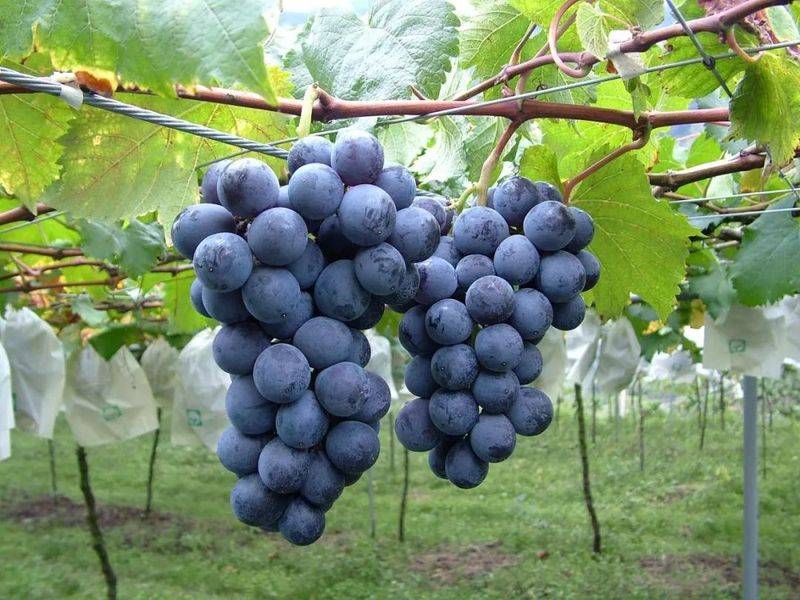
The ear, which is caught on the barbed wire and in the middle of the branch, leans down to the shelf and grows it naturally. After shearing the flowers, each of the ears will be shaken once before the fruit is purified, so that the fertilized grain will soon fall off in order to save its nutrients。
4. Pyrotechnics
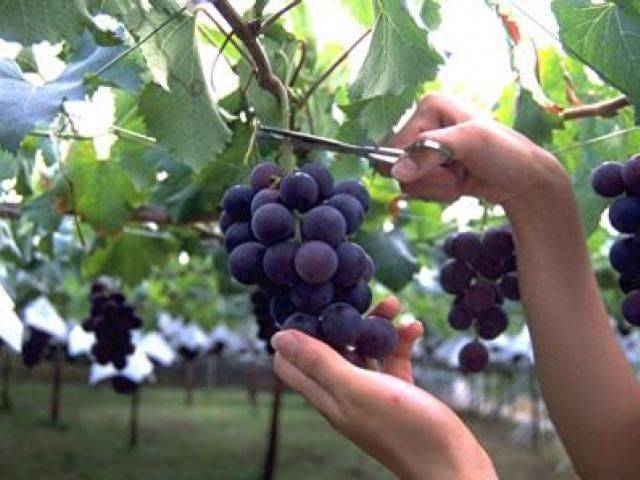
1 - 2 weeks after the date of the fruit, the small, deformed and undevelopable particles and those with injuries, which are overtly squeezed into each other. The removal brings the grains evenly. 40-80 per ear。
Five, fruit bag
After the eugenics, the soybeans of the vegetable fruit began and ended on 15 june. The kit improves the quality of the fruit-spill, makes the face of the fruit luminous and beautiful and reduces the contamination and disabling of pesticides. It effectively combats a wide range of diseases such as albinism, anthrax, black pox, sunburn, etc., as well as the hazards of birds, bees, insects, etc., and sprays 100 times 50% of the compound polybacter or 800 times 70% of the methyl tobzin in the first 2-3 days of the bag。
6 - inflating fat, watering
July management points
1 second heartbreak on july 20th。
2. Subtracting
At the top side, four to five blades are left after seeing mature leaves。
3. Cropping in china
4. Fertilisation
5. Check the inside of the bag and if the disease is cut out in time
August-september management points
1. The third heart attack was carried out on august 20th。
2. Debugging. Scratches are used to cut diseased branches and leaves and to gather them for burial。
3. Leave leaves and rolls. The leaves below the stem of the result are to be removed in order to reduce the thickness of the leaves and to facilitate ventilation and prevent the wear of the face。
4 summer cut. Too long leaves and too long chickens are dealt with by dredging, condensing, cutting, picking, etc., in a way that allows for the ventilation of light and the fruit to grow。
In may and late september, about 10 days before the harvest, the fruit was turned around and evened。
October management highlights
1. Fruit harvest, packaging
Every day from 8 a. M. To 11 p. M. After the dew has dried up; from 3 p. M. To 7 p. M. The rains should stop immediately and wait for the rains to dry. At the time of harvest, the ear handle was cut off close to the new base and gently placed in the collection box. Be careful not to erase the pollen, to break the bark, and to preserve the beauty of the fruit for sale. The resulting items are packed in separate boxes by grade. Autumn fertiliser: in principle, it is required to take place in the autumn and to do so early, i. E. By late september-october, and more than a month after the fall berries harvest or before the grape fall ceases to grow。
Fertilisation methods: fertilizer guttering is on both sides of the fertilisation ditch, which is dug in alternate years。
The first year is in the shelf, the second year is outside the shelf, and the next year it goes into the ditch. The method is to open a ditch 50 cm from the root, 40 cm wide and 50 cm deep. When digging a ditch, the thicker roots are indissoluble, it is natural, and when the ditch is completed, it is filled back in time, mixed fats such as pigs, cattle, ammonium, etc., are mixed with soil, a layer of faeces, the top of which is filled with soil and filled with water. In the first year of the third year of the sf, the fertilization area continued to open a ditch, 60 centimetres deep and 40 centimetres wide, and the dung and soil were ploughed into the ditch, with the soil levelled. Water immediately after fertilization, so that the base fat works quickly
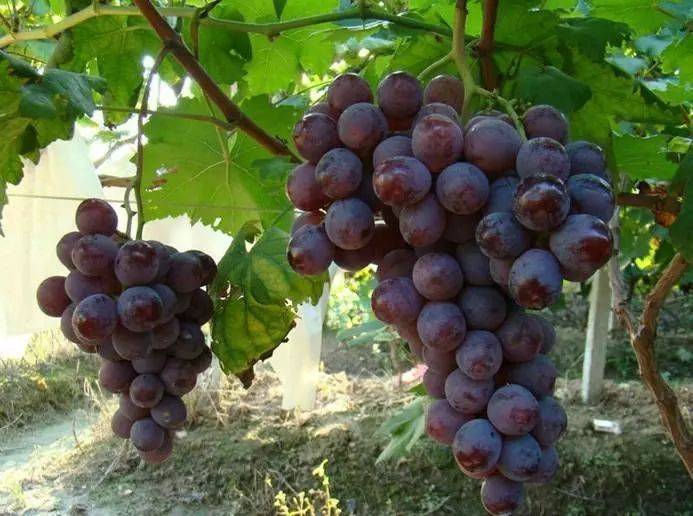
2. Winter cut
Time: late october. The aim is to focus on nutrition, adjust loads, facilitate winterization, reduce the source of disease and next year's infestation。
Method: 1 - 3 years of plant-planting, mainly in plastic form, with the fruit branch trimmed, i. E. 2 - 3 buds cut. The fruit-bearing trees are now full and the results are substantial, requiring the stabilization of yields and tree positions. When triming, care is taken to update the ageing master and the chicken, and to use the abbreviation method to get back to the strong chicken in the back. The result is mainly a short branch, with 8-10 new stakes per square metre and 4-6 branches per square metre to ensure the quality of the fruit; and 3-5 kg of production per square metre. This does not cause leaves to be closed and grapes to decline。
The result is a single update for branch updates. One year is short, two to three, and the second year is followed by the winter cut-off by a short one-year cut. All branches are cut off. This has been updated annually to ensure the strength of the outcome groups。
When cutting in winter, they must be completely cut off, with sick and dead branches and various bindings. The most important one is that all green, premature branches must be removed。
November management points
Cleaning of orchards: reducing the incidence of winter disease, and the cut-off branches, leaves and fruit of winter must be cleaned, buried or burned. This is the case year after year in order to reduce the source of the disease in the following year and prevent the spread of the disease。
Frozen water: roots of winter need。
Cold: safe winters for the chickens。
Method: after winter cut, a nylon line is used to tie the chicken together in the cleavage and then disinfect it with thiomer. After drying, a layer of corn is laid and covered with membranes and grass。