Introduction
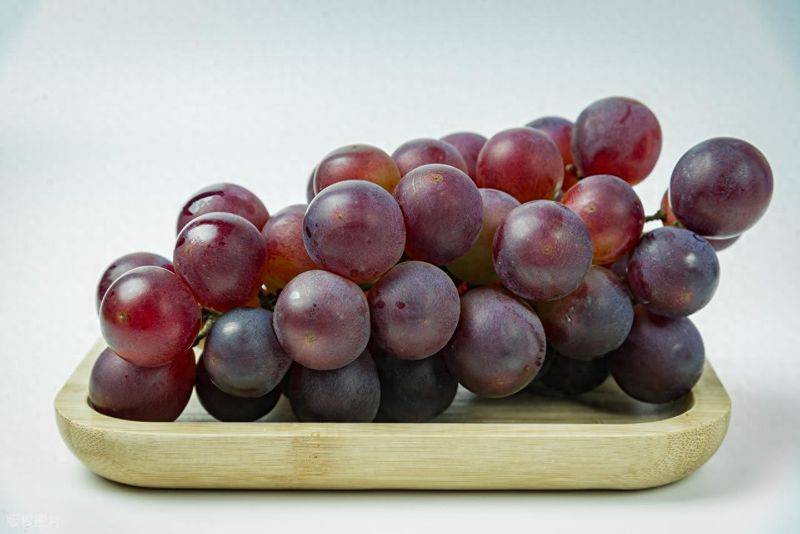
Peak grapes are one of the most popular grape varieties of consumers, with abundant and sweet and juicy fruit particles. Through early planting management techniques, large-scale grapes can be marketed early, pre-empting markets and improving economic efficiency. The following is a detailed description of the technical elements of the management of pre-planting of giant grapes。
Land selection for construction and facilities
Land is chosen to be built on land that is dry, easy to drain, fertile soil, and well ventilated. Soils are suitable for sandy soil with ph of 6. 5 - 7. 5. At the same time, parks should be kept away from sources of pollution and ensure adequate light and good ventilation。
Construction of facilities
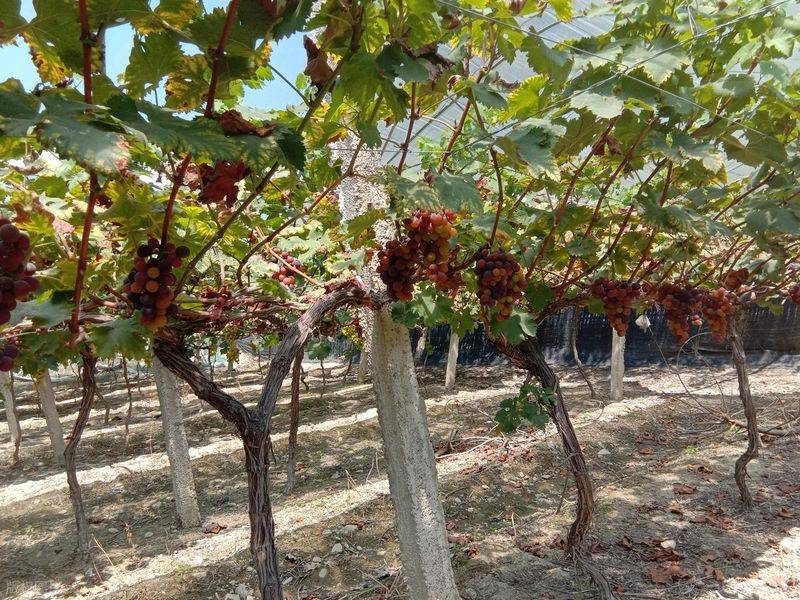
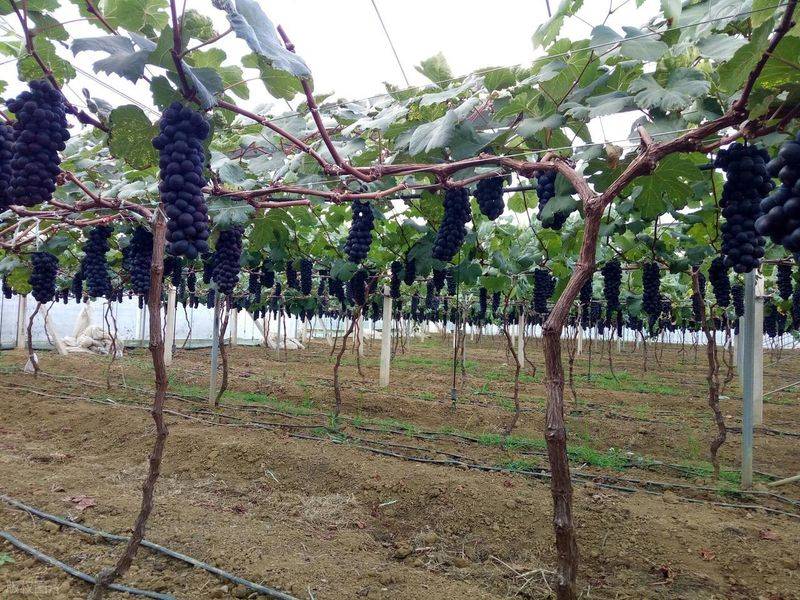
Early planting is usually carried out in plastic sheds or solar greenhouses. Plastic sheds should be built on wind-resistant, pressure-resistant, light-exceeding plastic sheeting, which should be robust, high and medium-level, and easy to farm. Daylight greenhouses are designed rationally according to local climatic conditions and geographical location to ensure adequate light and temperature during winter。
Varieties selection and tree planting selection
The selection of large-scale grape varieties suitable for early cultivation requires that they have characteristics such as early ripening, disease resistance and good quality. At the same time, healthy, well-developed, pest-free trees are chosen。
The tree is planted
After the spring soil is unfrozen, planting takes place before the bud. Before planting, dig up the ditch, it's 80-100 cm wide and 60-80 cm deep. Fill the bottom of the ditch with a layer of crop straw or organic fat, and then put the tree into the ditch, stretching the roots, filling the ground and pouring down the water. Plantation density is defined by cultivation methods and shelf pattern, typically with a distance of 0. 8 - 1. 2 m and a range of 2 - 2. 5 m。
Temperature and temperature control
Before the grape sprouts, the temperature in the day shed was at 15 - 20°c and not less than 5°c at night. After the bud, the temperature rose gradually to 20 - 25°c during the day and remained at 10 - 15°c at night. The flower temperature has a greater impact on the seating rate, which should be kept at 25-28°c during the day and not less than 14°c at night. During the period of expansion, the temperature can be increased to 28 - 32°c during the day and at 15 - 20°c at night. In winter and early spring, care should be taken to keep warm, so that the temperature in the sheds can be increased by covering warm cover, grass curtains and so forth, and in the summer, the temperature should be cooled in time to prevent excessive temperatures from causing damage to grape growth。
Humidity control
Before the bud, the air in the shed remained relatively wet at 80-90% to promote the bud. After budding, the relative humidity of the air is controlled at 60 - 70%. The relative humidity of the flower air should be reduced to 50-60 per cent, facilitating pollen transmission and fertilization. During the period of fruit expansion, the relative humidity of the air remained at 60-70 per cent. The internal humidity of the shed can be regulated through ventilation, ground cover of the membranes, etc。
Soil management in soil and water management
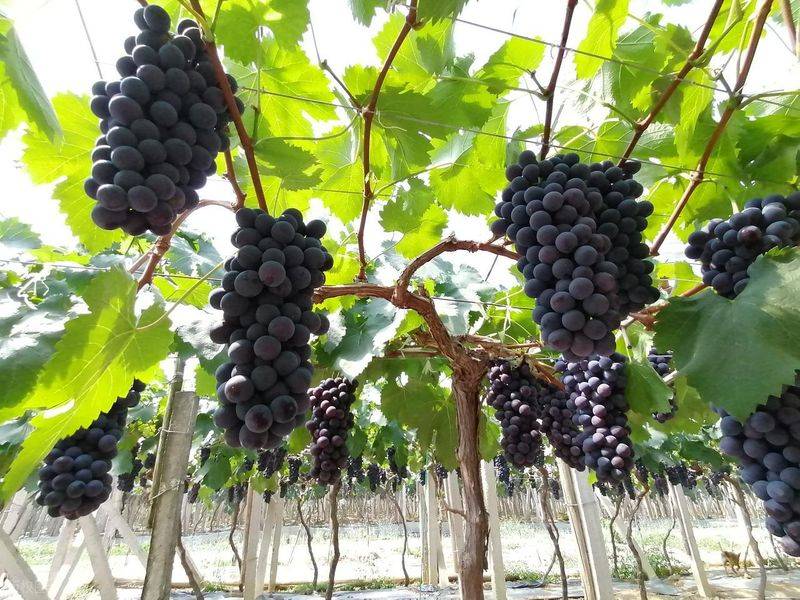
Weeding is carried out regularly to keep the soil loose. At the same time, green fertilized crops, such as trifles, purple clouds, etc., can be grown in between rows, which can be pushed into the soil during the boom of green fertilisation and increase the organic content of the soil。
Fertilizer management
Large-peak grapes grow and need more fat. The base fertilizer is mainly organic fat, which is applied after fall leaves until freeze, and is applied 3,000 - 5,000 kg of decomposition organic fertilizer per acre, with appropriate amounts of calcium perphosphate and potassium sulphate. The pursuit of fat should be based on the development phase of grapes, where nitrogen fertilizers are applied before the bud to promote new growth; before the flower, phosphorus fertilizers are applied to improve sit-in rates; during the expansion of fruit, the pursuit of potassium nitrogen phosphate compound fertilizers to promote the expansion of fruit; and during the chromosomal fertilizers to improve the quality of fruit. In addition, it can complement trace elements with a combination of pest and disease control。
Water management
Water is reasonably watered in accordance with the development stage of the grapes and the soil conditions. Pour the bud before it's budding. The flower season must control the water and prevent the flowering of the fruit. Large quantities of water are required during periods of fruit expansion, and water should be poured in time to keep the soil wet. Water is stopped 10-15 days before the harvest to improve the quality of the fruit. At the same time, attention should be paid to drainage and flood prevention and to avoiding the accumulation of water in gardens。
Orthopaedic trimmed winter
Winter trims are performed after the fall of the grapes until the onset of the following year. The result branch is retained using a combination of trim or membrane. In general, the parent branch of each result retains 2 - 3 sprouts, which may be appropriate for the growing branch. At the same time, it is necessary to remove the twigs, the dead branches, the sick branches, etc。
Summer trim
Summer trims include, inter alia, sprouts, stings, grafts, etc. The sprouts take place at an embryonic stage, and the extra sprouts are removed in time to preserve them. The landing is carried out at a new height of 10 - 15 cm and the number of new landings is reasonably determined on the basis of the surface space and load. Cardiocinology takes place three to five days in the first three to five days of the flower, and the masters control nutritional growth, promote reproductive growth and increase sitting rates. Bystands are to be processed in a timely manner, with 1 - 2 leaves left to be preserved for repeated heartbreak。
Plumbing fruit management
The gravitating of flowers around the week before the flowering, the grafting of excessive bouquets and small ears, and the preservation of strong bouquets. It takes 10 to 15 days to perform eugenication, deformation, diseased fruit, etc., so that the ear size is even and the grain distribution is reasonable. Usually 30-40 grains per ear。
Fruit bag
Vegetable packs after eugenication prevent pests, birds, reduce pesticide contamination and improve the quality of fruit. High-quality, air-transmitting bags are selected, and the bags are preceded by sprayed with fruit ears for pest control。
Agriculture for pest control
Strengthen orchard management, maintain orchard cleanliness, and timely removal of leaves, fruit, dead branches, etc., to reduce the source of infestation of pests and diseases. Reasonable fertilization of water, increased tree position and increased resistance of plants to disease。
Physical control
Insects such as fruit flies, gold turtles, and aphids such as aphids with yellow sticky plates。
Biological control
Conservation and use of natural insects, such as carbs, grasshoppers, etc., to control the population of pests. At the same time, biopesticides, such as bacillus juventura, plasma, etc., can be used for prevention。
Chemical control
The use of chemical pesticides is reasonable depending on the occurrence of pests. Before the sprouting of the grapes, thiomers of 3 - 5 degrees of thiomer were sprayed to eradicate the winter bacteria and pests. During the growing season, suitable pesticides are selected for control according to the type of disease or pest, but care is taken to be taken for the safety interval of the pesticide and to avoid exceeding the standard for pesticide residues。
Collection and packaging
When the graves reach biological maturity, they are harvested. The harvest must be carried lightly to avoid damage to the fruit. It is generally collected after dew drying in the morning or when temperatures are low in the afternoon。
Packaging
Grapes collected are packaged in a timely manner and different packaging methods, such as paper boxes, plastic baskets, etc., may be selected according to market demand. Packaging should be solid, beautiful and easy to transport and sell。
Conclusions
The technology of colossal grape pre-planting is an integrated technical measure that requires careful management in a number of areas, including gardening, species selection, temperature and humidity management, soil water management, plastic cutting, fruit management and pest control. Only by mastering these technical elements will it be possible to achieve the early marketing of giant plume grapes, improve production and quality and increase economic efficiency. At the same time, as science and technology continue to advance, we should continue to explore and innovate technologies for early cultivation and management to make a greater contribution to the development of the grape industry。