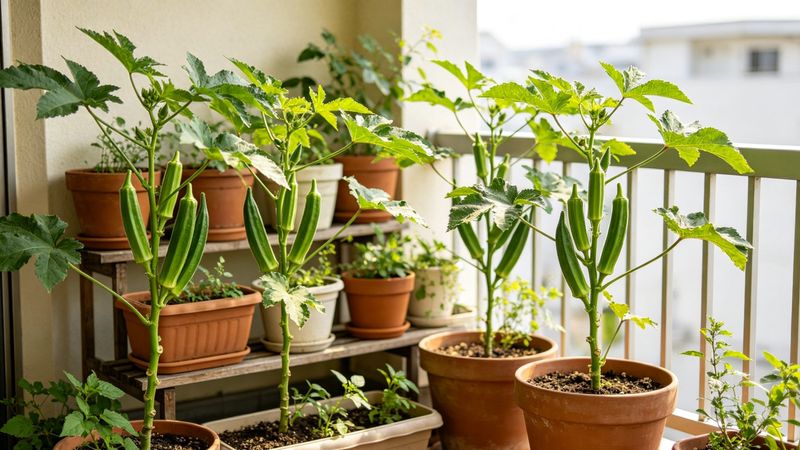
The main diseases on tomatoes are early disease, night disease, asymptomatic disease, folate disease, viral disease, and so on。
I. Prevention during seeding
Optimal and high-yielding disease-resistant varieties such as millet 802, powder 17 and powder 10。
Seed treatment: treatment of seeds using high temperatures to kill the pathogen attached to the surface. The sterilisation methods described below were selected for the main local diseases。
(i) cultivation of hot water at 55°c with seeds to maintain an equal temperature of 15 minutes of immersion, mainly to combat foetal disease, ulcer disease and early disease。
(2) sodium phosphate impregnated species: three to four hours in water, then 20 minutes in a solution of 10% sodium phosphate, immersed and washed, mainly for viral diseases。
3 slender bed disinfection: a mixture of more than 50% of the filamentable powder with 50% of the huf at 1:1, or a mixture of 25% of the mercuric humid powder with a mixture of 9:1 for 70% of the dyssey manganese zinc humid powder with a mixture of 8-10 grams per square metre with 15-30 kg of fine soil. One third of the seeding takes place on the bedside and the remaining two thirds on the seeds。
Installation of insecticide-treated nets: the vent of the shed is closed with a 25-40 aperture range of 1-1. 2 metres and covered by the vent。
Ii. Long-term prevention and treatment
(i) grey silt. Tomato cultivation in the shed is seriously ill。
1. Appropriately increase the application of potassium phosphorus to increase the resistance of plants to disease. The use of drip irrigation and membrane dark irrigation to prevent flooding. In the early stages of the onset of the disease, residual petals and poles are removed in a timely manner, leaves, fruits and strains are removed and the disease is prevented from spreading。
2. Eco-control: strengthening ventilation management with the goal of warming and wetting. This is done by keeping the roof closed in the middle of the morning and running the top wind after an hour when the temperature is 28-30°c; by continuing the vent at noon, where the temperature is 20-25°c; by closing the vent when the temperature is between 18-20°c in the afternoon; and by keeping the night temperature at 14-16°c and the relative humidity at 70-80%. In the middle of the day, there is also a need for air and air for short hours at noon。
3. Drug control: fumigants fumigation, dust control and pest control have the advantage of not increasing the humidity of the shed compared to conventional sprays, reducing labour intensity and saving pesticides, with different application methods available depending on the circumstances。
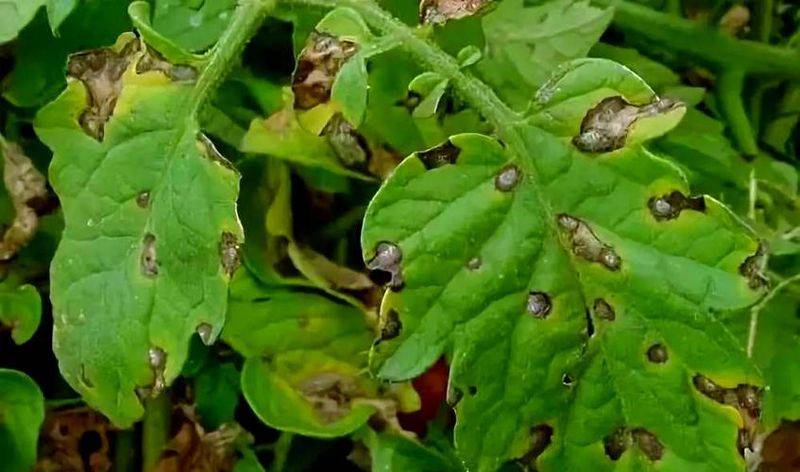
(i) science-based flowers: 0. 1 per cent of the fungus can be humidly powdered and a small amount of colycin water is added to the well-equipped medicine when sprayed to prevent the fungus from ingesting the fruit from the flower。
(2) smoker fumigation: carried out in the evening with a smoker of 200-300 grams per 10% zhokrin or 45% bacillus fumigation, which is lit in a closed room at night。
(3) dust agent control: 6. 5 million carbs dust agent or 5 per cent bacterium dust cleaner 1 kg/acre may be used in the protected area。
(4) spray control: 50% non-line, 50% speeding, 65% acecal peptide 1000-1500 times more liquid, or 50% more liquid due to wettable powder 1,500 times liquid, or 40% chea suspension 1000-1200 times liquid, etc。
(ii) early disease
1. Cleaning up of leaves and fruit and timely ventilation and humidity in the sheds。
2. Drug control. Spraying begins in the early stages of the onset of the disease, approximately once in seven days
(1) 5% bacillus dust dust 1 kg/acre spray。
(2) forty-five per cent of bacillus fumes, 250 g per acre, in a few places, to be lit overnight in a closed shed。
(3) spray control: 500 times the amount of 70 per cent of dyson manganese zinc with a safety interval of 15 days. Or 600 times as much as 75% of the bacteria to clear wettable powder or 600-800 times as much as 80%。
(iii) night disease
1. Control of the temperature and minimization of the temperature in the shed, at 26-30°c during the day, at 20-24°c during the night, and reduction of the temperature of the shed by covering the shroud with a sunnet. Timely ventilation and wetting keeps relative humidity at 60-70 per cent. After the onset of the disease, the leaves and the fruits are removed。
2. Drug control: the administration began at the beginning of the onset of the disease. Optional:
(1) 5% of bacillus dust dust 1 kg/acre sprayed once for 7 days。
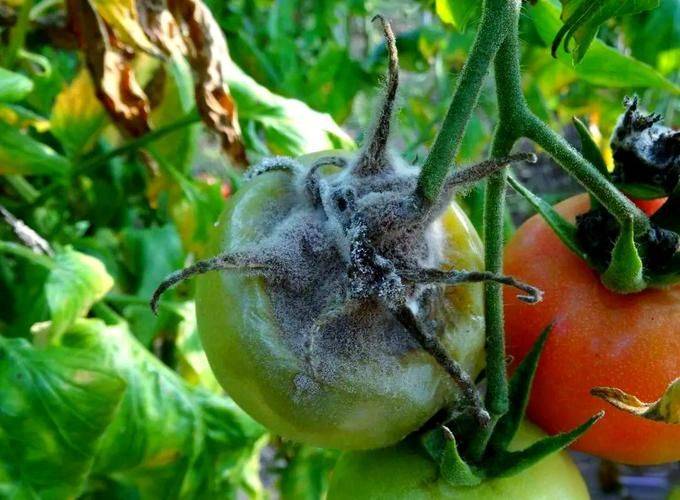
(3) 72% g of lud 400-600 times liquid, or 72. 2% of plick water 600-800 times liquid, or 40% of acetphoon manganese zinc humid powder 300 times, or 64% of acne 400-600 times spray control。
(iv) leprosy
1. The removal of the next leaf in time for the onset of the disease。
2. Both treatments may be considered in the case of early and late diseases, but the spraying shall take place primarily on the back of the leaf. Medicinal control can be handled with dust or fumigants. Spray control can be based on the option of using 47 per cent of the chronic ricin + copper hydroxide 800 times the humid powder spray for a safety interval of 21 days; or 500 times the fumigant 2 per cent of the muscular water spray for a safety interval of 2 days, or 47 per cent of the garrainian humid powder 800 times the liquid, or 50 per cent of the polybactrin 600-800 times the wet powder, etc。
(v) virus disease. Symptoms of the tomato virus in the field are mainly of a leaf type, a leaf type, a strip type, etc. In recent years, the risks of the tomato strip virus have increased. Control measures:
1 - night beating, early protection. Late beating can reduce and delay the spread of the tobacco leaf virus in farming operations; early prevention of aphids can prevent the occurrence and spread of cucumber leaf viruses。
2. Medicinal control: 100 times the antigen with 83 times the antigen and once in each case during the sapling period and after a slow fall。
In the early stages of the disease, 1. 5 per cent of the filamentable powder is treated 600-800 times, or 20 per cent of the virus a-wet powder 500-800 times, or 60 per cent of the virus's humid powder 800-1,000 times, or 1,000 times the spray of potassium permanganate。
(vi) umbilical disease. It is a physical disease caused by inadequate water supply or a lack of trace elements。
Method of prevention and treatment: selection of resistant varieties, balanced application of fertilisation, increased application of potassium phosphorus and even water。
One per cent of calcium phosphate has been sprayed on the front of the pre-plant leaf, or one per cent of calcium chloride, or 1000 times the green fenway no. 3, once every 15 days and twice in a row。
(vii) greenhouse white lice. The effects of white lice are not limited to greenhouses, and the incidence of white lice on vegetables such as open tomatoes is increasing year by year after 1997. The following measures can be taken:
1. Cylinder baiting: yellow has a strong induction effect on white powdered lice, with long strips of yellow cedars placed in the sheds, coated with glue oil, seduction, adhesive insects and, generally, 30150 pieces per acre。
2. Release of the raspberry bee: in case of light infestation, the raspberry bee can be released in the room at 15-20 head capacity, once in a month and three times in a row, for biological control。
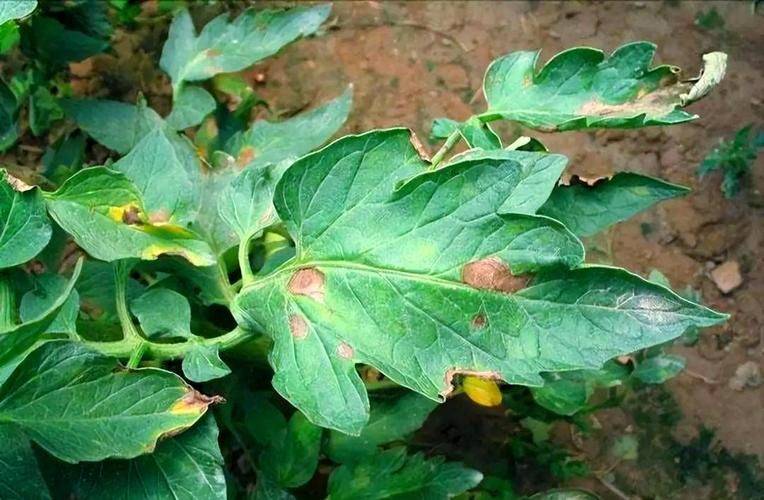
3. Drug control: when white lice are heavy, treatment:
(1) the 10% accelerant 500 g/acre or 22% dichlorvos smoker 300 g/circa closed after the evening is closed。
(2) in the field or shed, 10% of the aphids can be grown using sprays such as 2000-3000 times the humid powder or 10% 1,000 times the lice emulsifiable cream or 2. 5% of the cauliflower butter 1000-1500 times。
(viii) zephyr
1. Yellowboard booby traps: long strips of yellow cedars are set up in the sheds, seductions and adhesives of twilight flies。
2. Medicinal control: 1. 8% occal 3,000 times or 48% laceban emulsion 1,000 times the liquid spray。
(ix) aphids:
1. Use aphids as a shield, trapping on cedars in the field or holding silver ash membrane as a shield。
2 chemical control: 0. 36% green (polysin) 1,000 - 1,500 times liquid, or 10% aphid hysteria humid powder 2000 - 3,000 times, or 50% antiacstasy ww powder 2000 - 3,000 times liquid, or 10% deplete suspension agent 2000 times liquid。
(x) cotton bellworms
In mid-june, mid-june, when the spring tomatoes are broadcast mainly with second-generation bellworms, the infestation of the eggs can be induced by a black light or a willow branch。
Drug control:
The egg hatching period is sprayed with 200-300 times more fluid than the bt formulation. In the ovarian incubation period up to the age of two, 50% of thiophos-methyl emulsifiable concentrate is selected to be treated with 1000 times more liquid, or 80% of the soluble powder trichlorfon 1000 times liquid, or 21% to kill 6,000 times liquid, or 20% to kill thyrethrin cream 2000-4,000 times liquid spray。