


The big shed, the winter melon plant technology
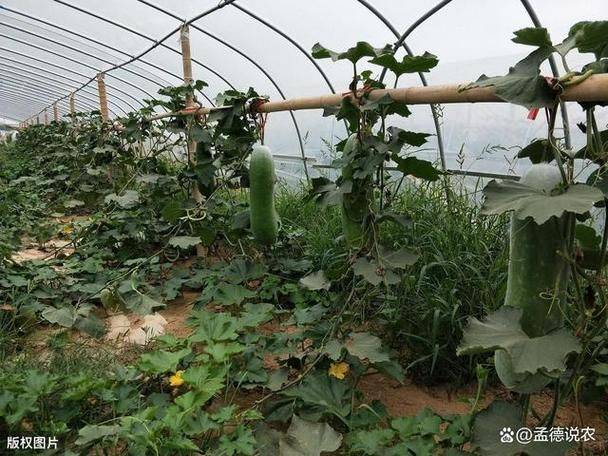
The shed was planted in winter, with seedlings in september-october and planting in october-november. This winter melon has a long reproductive period, which is better managed, and the pre-natal period is mainly in the cold. The temperature and light are relatively low and the technology is more difficult, and various measures are needed to increase the light and promote sit-ins; the temperature is up again in march and conditions such as temperature and light are suitable for winter melon growth. Fertilizer management should be strengthened to promote plant growth and production。
The selection of varieties is dominated by the selection of long-crumbed winter melon varieties such as beijing bells。
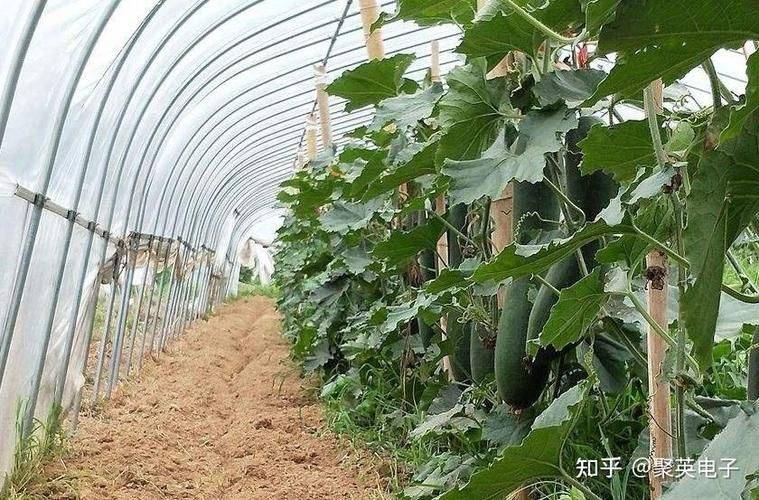
2. Cultivated seedlings, because of the high temperature requirements of winter melons, have to opt for structural science and energy-efficient solar greenhouses with high temperature. Extreme minimum temperature in greenhouses should not be below 6°c. (c) the use of nutritional diversity for seedlings. It is common for three to four real leaves to be planted around 40 days old. The favourable environment in which this winter is taking place is conducive to the growth of the seedlings。
Based on the long and long-term nature of the winter melon, it is necessary to apply finely and in large quantities high-quality base fat, requiring 50 kg of ammonium dim per acre, 100 kg of calcium per phosphate and over 6,000 kg of high-quality organic fertilizer. The geno is applied in the first half and in the second half. The plant density is 75 x 40 cm, and the membranes are fixed and covered with size lines, and the dyke is not covered to allow for water to be used in pursuit of fattening。
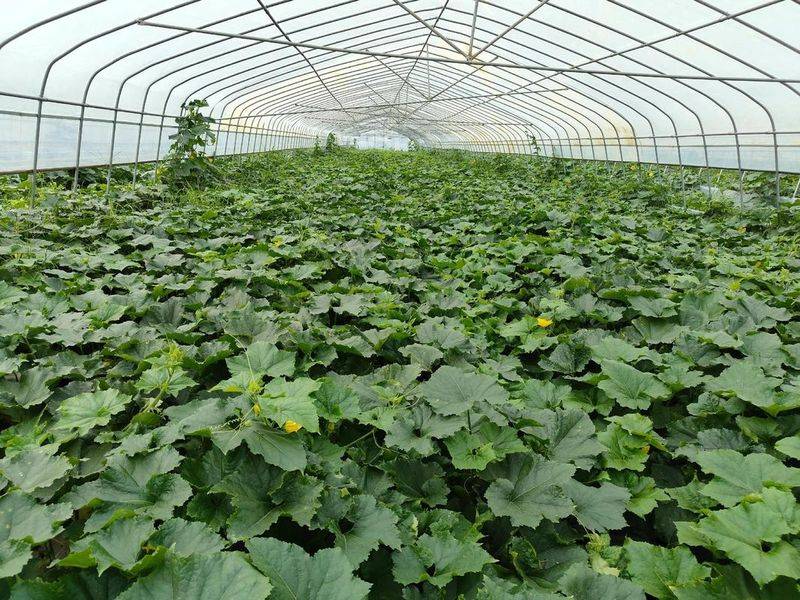
In the early stages of field management,1 attention should be paid to temperature protection for slow seedlings, combining wind and fat water management to promote healthy growth of young babies. The external temperature was particularly low between the end of december and the first half of march, and the key technology for management was to keep the temperature and improve light conditions and to promote sit-ins in combination with measures. Water should be properly reduced so as not to cool the temperature, and can be poured once in about 15 days, which should take place in the morning. This period should be reduced, usually at noon. The temperature is rising from the beginning of early 33rd, and artificially assisted pollination is necessary to promote the sitting fruit because of the lack of insect pollination in the sheds, which is required to strengthen the management of water fertilization and increase the frequency of water and fertilization. At 9-10 a. M., the male rose on the day of the selection, torn off the petals, and painted the pollen on the herbs on the head of the female column open to pollination on the day of the pollination, a male may give two or so females. If the number of males is low, 20 mg of cactin coatings and poles can be added to 2,4-d of 50-100 mg l。



