Cotton, as an important cash crop in our country, has a significant impact on production and quality as a result of its seedling management. The early start not only allows cotton to reach its peak growth but also enhances production and economic efficiency. How, then, can this be achieved? The following are some of the technical management recommendations that help growers to fully boost the growth potential of cotton during the seeding period and achieve early harvests。
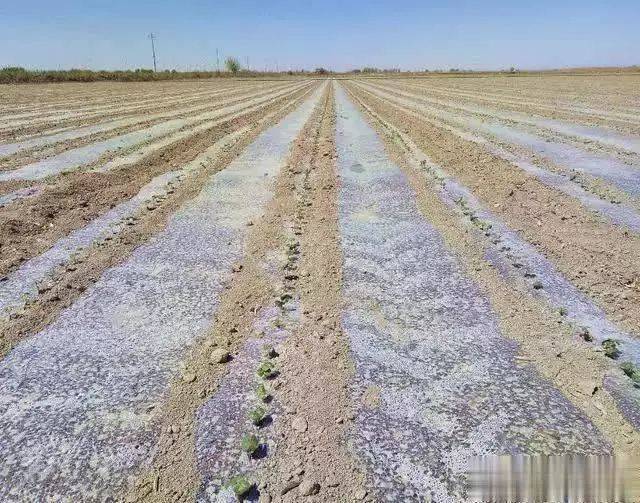
Soil management: good soil as the foundation for early emergence
"good planting, foundation." cotton roots are highly adaptable to the soil, but soil fertility directly affects the growth of the seed age. The achievement of early start-ups requires sound soil base management. Soil improvement should begin before planting and improve soil structure through deep flipping, fertilization, etc. Rational application of organic fertilizers, such as decomposed farmers, composting, etc., can increase soil organic content, enhance water-preservative fertility and promote root-based growth. At the same time, attention is paid to the drainage of the soil and to avoiding the root respiratory difficulties caused by water accumulation, which affect the growth of the nursery period。
Soil alkalinity is essential for cotton growth. The ideal cotton growing soil ph values range from 6. 0 to 7. 5. If soil is acidic or alkaline, it needs to be adapted to the circumstances. The soil can be adjusted by adding lime powder, sulphur powder, etc., to ensure that cotton roots absorb nutrients efficiently。
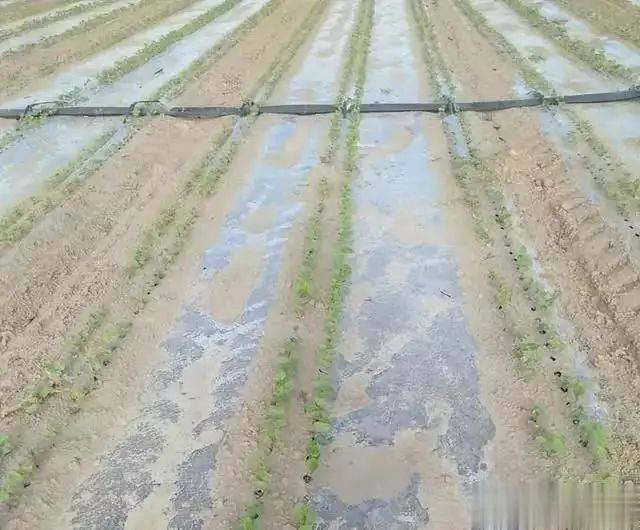
2. Optimization of seeding: seeding on selection, precision seeding
“spring is a grain of seed, and autumn is a harvest of thousands.” the timing of planting is significant for cotton growth. In order to ensure the rapid growth of the seeding season and the early emergence of the reed, suitable dates are selected for seeding。
The optimal planting time for cotton tends to affect seedling rates either early or late when the temperature rises to above 12°c in spring. Early seeding may be affected by cold weather and prolonging the seeding period; late seeding may miss the optimal long-term impact. Seed quality is key when seeding is done. High-quality, pest-free cotton seeds are selected to ensure a good growth rate. The sowing depth is also appropriate, usually contained in 1 - 3 cm, which can affect seedlings over deep or shallow。
In addition, proper planting density increases opportunities for early emergence. Cultivation can increase competition between plantations, affect photocosm and nutrient absorption, and proper planting can provide better space for each cotton。
3. Precision fertilization: nutrients to keep pace
Fertilizer is the lifeline where plants grow. A rational fertilisation programme is required for cotton seeding. Accurate fertilization is essential to achieve early emergence. Too much or too little fertilizer can affect the growth of cotton and the timing of the season。
The three main elements are nitrogen, phosphorus and potassium. Nitrogen fertilizer promotes root and leaf growth, phosphorus fertilizer contributes to root system development, increases nutrient absorption capacity, and potassium fertilizer increases plant resilience and increases cotton resistance。
Fertilisation should be carried out in stages to avoid over-fertilization at one-time intervals. At the early stages of the seeding period, higher nitrogen-containing fertilizers can be selected to promote rapid growth; at an advanced stage, the application of phosphorus potassium fertilizer can be increased, as appropriate, to promote root growth and thawing。
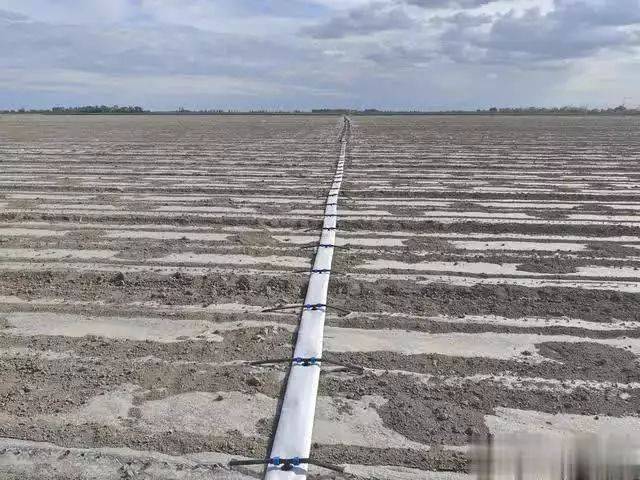
Rational fertilization is not only applied on the ground, but can also ensure the timely supply of nutrients and avoid waste by finely managing integrated water fertilization techniques such as drip irrigation。
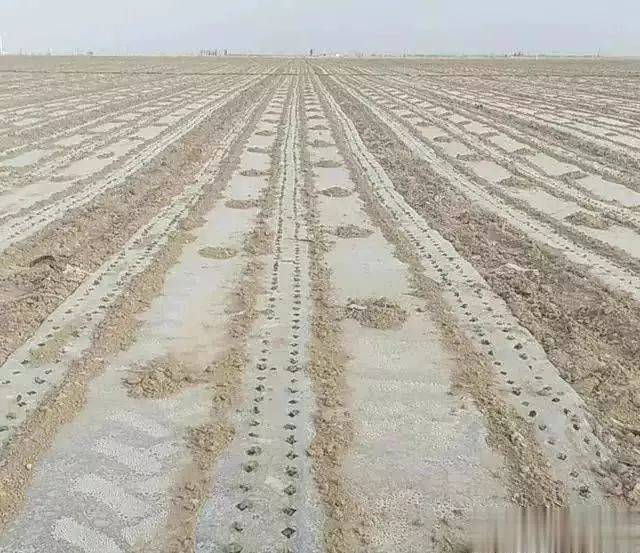
Temperature management: optimal growth environment for cotton
Temperature affects cotton growth significantly. Cotton is warm and humid, with a suitable temperature of 25 - 30°c for the seeding period and a humidity of between 60 - 80%. In particular, the changes in temperature in the spring are significant, and constant attention is paid to temperature changes and management measures are adjusted in due course。
Temperature management needs to be strengthened during the moist season, especially in the spring. When the temperature is low at night, the temperature can be protected by covering membranes, straw curtains, etc. To avoid cold irritation of cotton and to affect normal growth。
Wet over high vulnerability to disease and pests can affect the ability of cotton to absorb water. It is therefore necessary to adjust humidity to local climatic conditions in order to avoid overwatering and root decay。
5. Pest and pest control: early prevention and treatment to ensure healthy growth
"the disease comes from the mouth, the worm from the root." cotton seeding is a critical period for pest and disease control, and timely prevention will ensure the healthy growth of cotton and lay the foundations for early onset。
The most common pests are aphids, dictums, thiomas, roots, etc. In order to deal with these problems, prevention efforts should begin by selecting appropriate insecticides, microbicides and pests. Plantation is regularly checked to detect problems being addressed in a timely manner to prevent contagion。
At the same time, green control techniques, such as the release of natural insects and the use of biopesticides, could be chosen to reduce the use of chemical pesticides and protect the ecological environment。
Summarizing: from the very beginning of the gestation period, the secrets of early appearances are kept
Cotton seeding periods are essential for its subsequent growth, and the realization of early development is to start with soil management, planting times, fertilization, temperature and humidity control and pest control. Through scientific management measures, quality growth environments are created for cotton to grow rapidly during seedlings and to divide buds early to lay the foundation for harvest。
Longer-term management of seedlings, as recommended, will be achieved. Management by heart, every leaf of cotton and every flower brings joy。
# cotton growing # seed management # early buds # pest control #