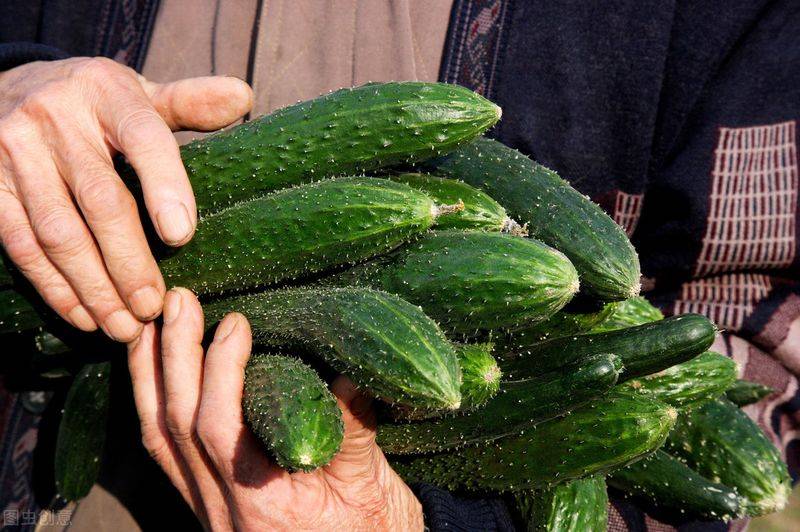
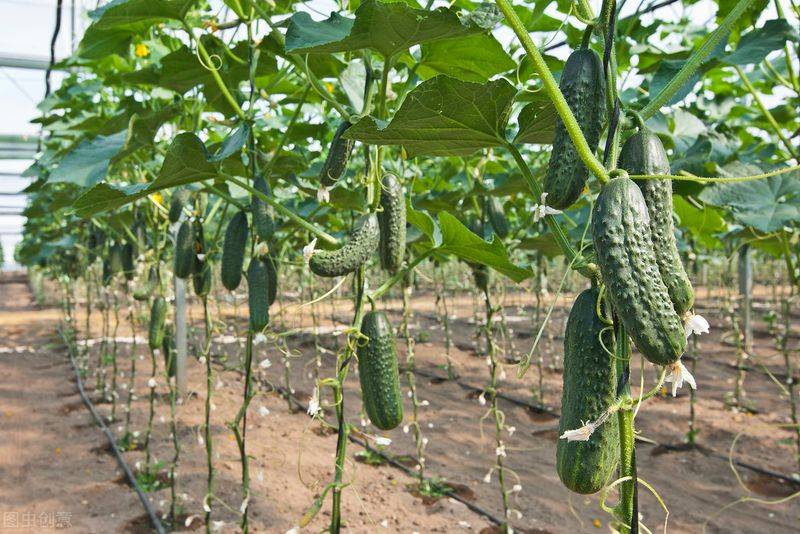
Cucumbers are less sensitive crops for sunlight and can be cultivated as long as temperature conditions are appropriate. As a result, cucumbers can grow in the autumn using the shed facilities. Autumn cucumber cultivation should be based on the selection of appropriate varieties and planting periods, with attention to techniques such as pest control。
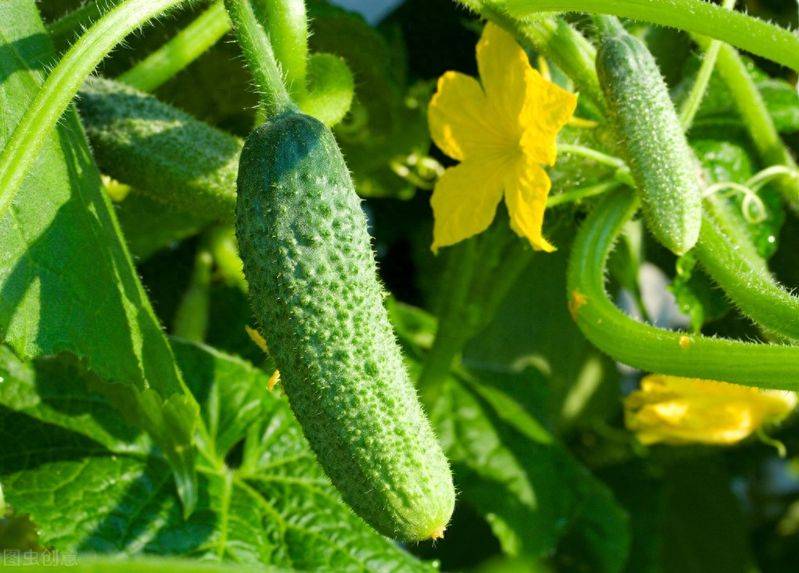
1. Choice of varieties
The cucumber-planted seedlings are in high temperatures and rain, with strong light and sunlight ... The temperature gradually decreases after entering the cucumber period, contrary to the environmental conditions required for natural cucumber growth. Thus, the autumn cucumbers must choose the varieties that are both heat- and cold-resistant, and that are strong, productive and of good quality. The main varieties currently in use are zin chun 5, zin yu 1, zin yu 2, zhengqiang, qianxiang, qianxiang 1, zhengqing 1, etc。
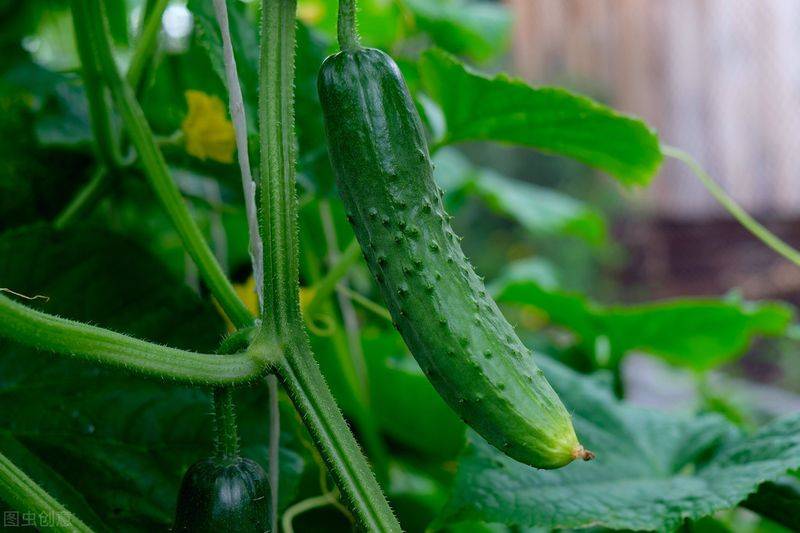
2. Sowing period
The fall cucumbers were planted to extend the cucumber supply, so seeding cannot be premature. On the one hand, the harvest of cucumbers in spring and summer has not yet ended; on the other hand, it is in the midst of hot and rainy seasons and is difficult to grow; but seeding should not be too late, otherwise it is relatively short, with low yields and poor economic performance。
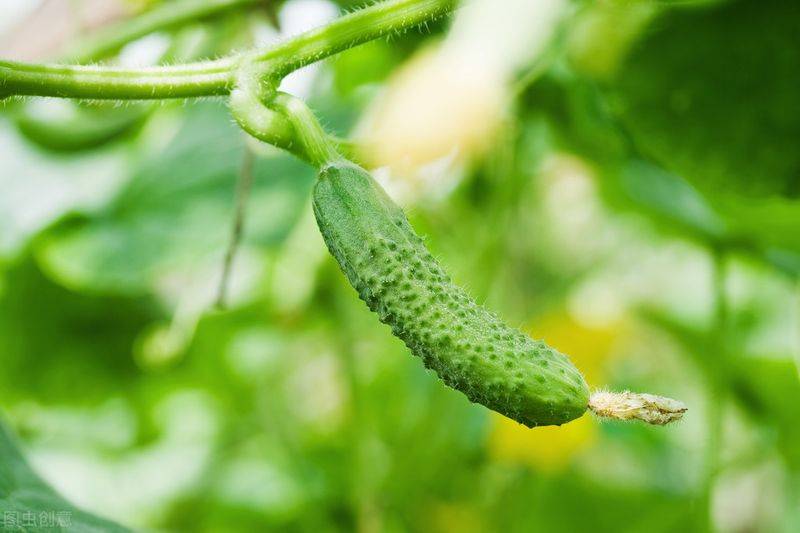
3. Cultivation
Cucumbers are cultivated in the autumn, are warm and easily seeded, are live and grow, and are more widely produced。
(i) live broadcasts: accumulated cucumber cucumber cucumber production, which is carried out in a productive manner because of high-temperature drought or stormy weather, which not only results in soil slabs, which are poorly seeded, are prone to injury to the leaves, are detrimental to the growth of the seedlings, are prone to inundation and are prone to rotting roots or growing, and are seriously affected by the disease. The method is to open the membranes around the shed for ventilation and leave the membranes in the roof to protect themselves from the rain. Before sowing, the seeding is done in the same manner as the spring cucumber. Fertilizers are not applied if the front crop is more reliant and soil is more fertile, and if fertility is poor ... . . . . . . . . . . . . . . . . . . . . . . . . . . . . . . . . . . . . . . . . . . . . . . . . . . . . . . . . . . . . . . . . . . . . . . . . . . . . . . . . . . . . . . . . . . . . . . . . . . . . . . . . . . . . . . . . . . 。
Autumn cucumbers can be properly planted. 2 lines per cucumber, 20-25 centimetres apart, can be seeded in ditches with a distance of 3-4 centimetres deep, and impregnated seeds of 2-3 centimetres per den. When the seedlings spread in the first, second and third leaves, the diethylene solution was sprayed to promote feminization, with a spray concentration of 150 mg/l. It is important to note that high ethylene concentrations inhibit growth and lead to lower symmetry and yield。
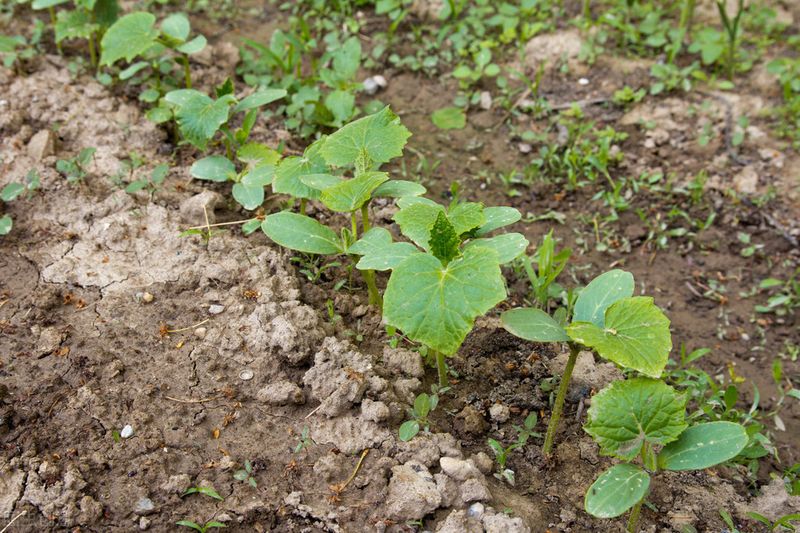
(2) the method of birth control: the choice shall be made to raise the child in the shed. The shacks should remove both sides of the nematode, replace them with an anti-worm net, preserve the top and cover them with a sunscreen. A nursery container may choose a combination of compressed nutrient blocks with plastic seedlings. Nutrient blocks can select specifications of 5 cm in diameter and 1 cm in height, with plastic plate length x-wide x heights of 40 cm x 40 cm x 4 cm, respectively, with 49 nutrients of 5 cm in diameter per plate. One day before seeding, seedlings were flatbeded, seedlings were laid, nutrients were placed and pre-wetted, with an appropriate water addition of 1. 25 kg per plate. Seed treatment and immersion prior to seeding, without seedlings, is carried directly into a pores of nutrients, which are then covered with wet sand, then covered with one layer of thin membrane, so that the seed is wet. It is generally available two days after broadcast, and when it reaches the age of 10 to 15 days, it is possible to plant it when it reaches the age of two, not more than three. When the seedlings spread in the first, second and third leaves, the same concentration of 150 mg/l ethylene-licents was used to promote female separation。
4. Sapling or planting
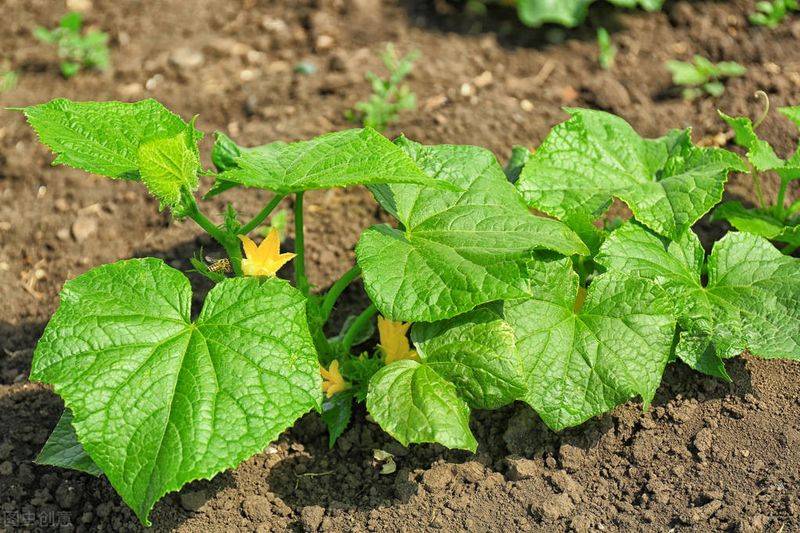
When cucumber seedlings are broadcast live, the dense seedlings are removed, the first-substantial seedlings are taken after the occurrence of the real leaf, and two are kept in each den. When the seedlings have 2 to 3 real leaves, one seedling is set in each den, each of which shall be fertilized one time with decomposition of water and manure。
Plantation depths using nutrient block-breeding are measured by the flatting of the soil surface of the nutrients, with the thinness of the mud around the surroundings ... And by the planting of the root water. The planting density is broadcast live, with two to three days of timely water pouring of the seedlings, and post-plant management is the same as live, mainly on-the-job farming, pine soil and wetting. After planting, the roof of the shed must be covered and, if necessary, the sunnets may be re-covered. The platinum should be covered with straw ... So as to reduce the temperature, maintain soil moisture ... Prevent soil sheeting。
5. Field management
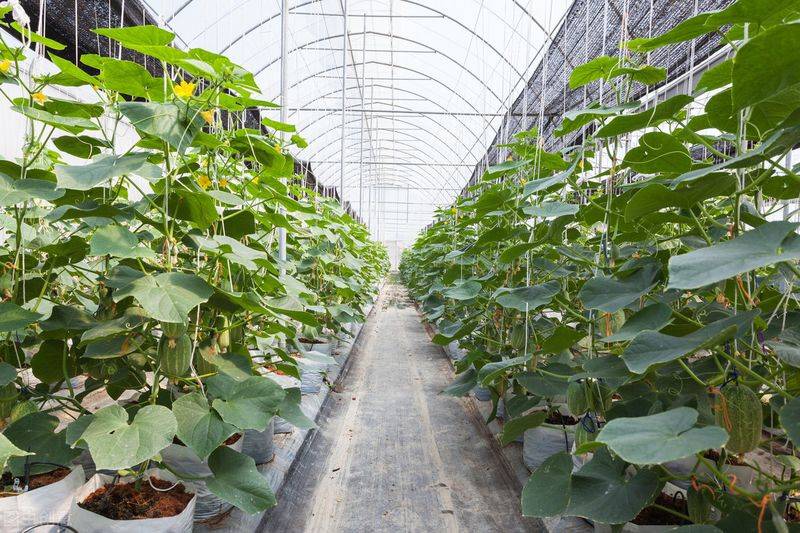
From seeding until mid-september, heavy temperatures and heavy rainfall necessitated the covering of the roof of the shed and the addition of a sun-covered net, with ventilation open around the shed. A small amount of indigence should be applied on the fat water to prevent high temperature and humidity from causing the seedlings to grow and, in the case of yellow leaves and thin seedlings, 5 kg of compound fertilizer per 667 m2. They must be mounted in a timely manner, before the melon is ploughed, and when the melon is not ploughed. Between mid-september and mid-october was the period during which the cucumbers grew most strongly, with ventilation during the day. Temperature is controlled at 25-30°c and 15-18°c at night. When the temperature is below 15°c at night, a thin film will be installed on both sides of the shed, which will help keep the temperature warm at night. Small water is used to water the melon, usually every 4 to 5 days -- ... And every 7 to 10 days when the weather cools -- 5 kg of compound fat for each 667 square metre of water. A variety of chickens grown in the fall usually occur early and in large numbers. In order to promote macabre in the main side, care should be taken early and the base side chickens removed. Those with chickens in the upper middle can leave a cranberry on the cranberry and a leaf to the top and tie the chicken in time。
After mid-october, the temperature fell rapidly and the growth of cucumbers slowed, and the cold should be increased and the harvest period of cucumber should be extended as long as possible, mainly through the complete closure of the huts and short-term ventilation at noon. The night is covered with straw curtains, and when the temperature is low, a thin film is used to cover the two layers ... This period - no fertilizing water。
6. Collection
It takes 40 to 45 days from seeding to first harvest in the autumn, so that the early harvest of the cucumber can be carried out and the female and cucumbers that have been lost to the melon or later become the melon in a timely manner, thus ensuring that the cucumbers that are expected to become the melon are well developed。