I. Core animal farming techniques
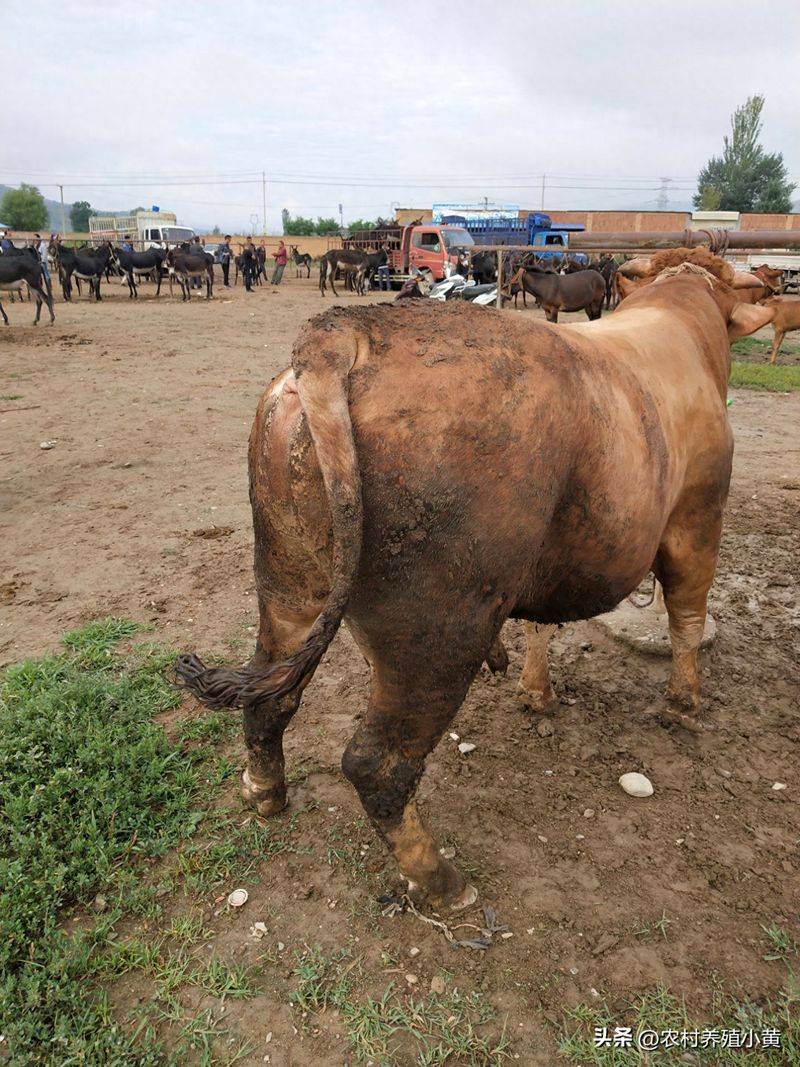
1. Efficient cattle farming techniques
- varieties selection: local cow hybrids (growing fast, disease resistant) in simetarx, reduced by 30 per cent the cost of home-grown models。
- precision feed: tmr-combined daily food technology (coarse: 6. 4), increasing to 1. 8 kg and reducing feed costs by 15 per cent。
- disease prevention and control: foot-and-mouth disease, compulsory immunization against disease, more than 70 per cent of the antibodies required and 1 deworming procedure per month。
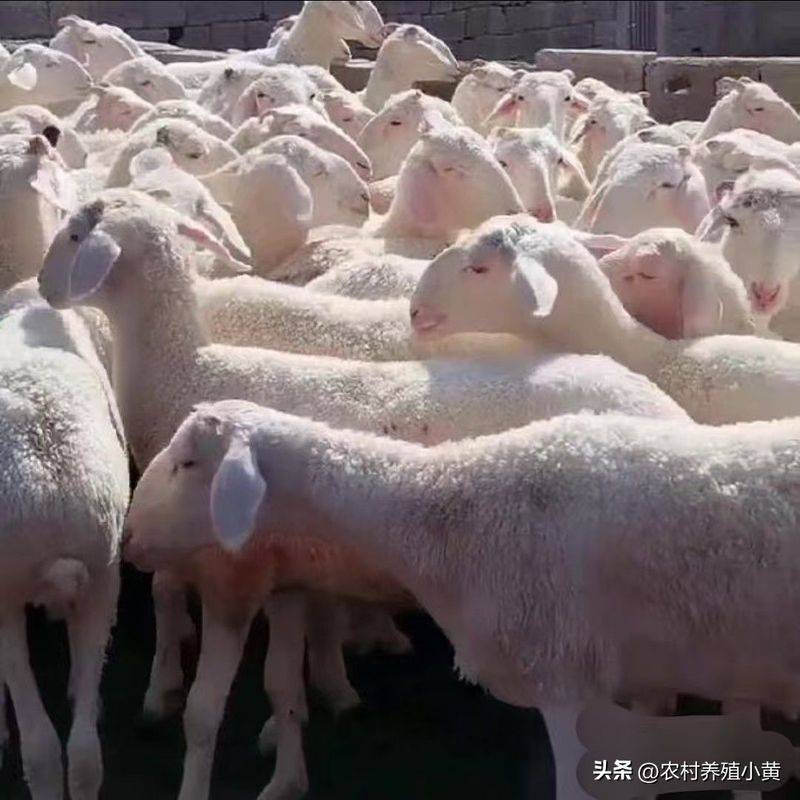
2. High-yield technology in lake sheep
- reproduction control: coitus (pgf2α injection) + artificial insemination, three births in two years and two to three per child。
- lamb breeding: 7 days of complementary feeding (50% maize + 30% soybean + 15% + 5% premix), increasing the survival rate to 95%。
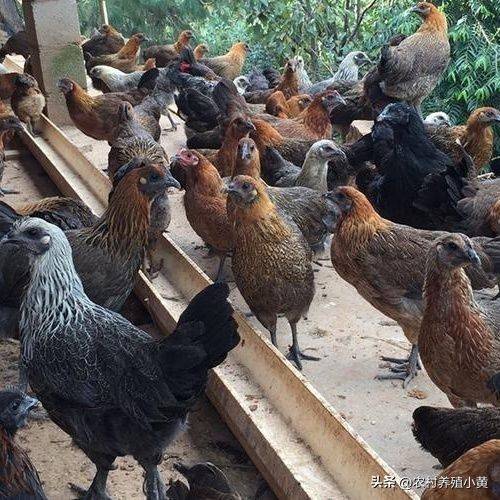
3. Eco-cooking techniques
- diffusion pattern: garden/forest land breeding (50-80 acres) with high protein feed for earthworms and yellow powder worms at a cost reduction of 20 per cent。
- epidemic prevention and control: new urban epidemic - avian influenza ii (h9) immunisation, with regular chinese medicine (single sugar) enhanced immunity。
Ii. Innovative models of aquaculture
1. Integrated rice fishing techniques
- frog symbiotic: the distance between rice is increased to 30 cm, the density of frogs is 10-15 m2, the acre-producing frog is 3,000 cm + 1,200 cm of rice grain, with a profit of 20,000 cm/acre。
- water quality regulation: installation of micro-porous aerobics, regular spraying of embacteria (1kg/acre) and maintenance of dissolved oxygen 5 mg/l。
2. Plant recycling water fish
- core equipment: biofilter + ultraviolet sterilisation, 90 per cent utilization of water circulation and density 15-20kg/m3。
- feeding of feed: auxiliary baits are well fed (2-3 per cent daily) and the bait coefficient is reduced to below 1. 2。
Iii. Specialized farming high-value technologies
1. Bees ' efficient farming techniques
- beehive management: double herd farming (80-100 kg/year honey production) and flower hunting (carbs, nectar honey)。
- pest and pest control: fumigated mites of methadite (march, september of each year), prevention of cystic larvae (basic feeding in pyrolysis)。
2. Ecoculture techniques for bamboo rats
- stereoculture: 2 males and 4 females per pool, with 20-25 children per year, with the feed being mainly bamboo and royal grass, at a cost of only 60 per cent of the traditional feed。
- epidemic control: periodic disinfection (succum persulphate) and vaccination against coli, increasing to 90 per cent。
Application of smart farming techniques
1. Cowface recognition system
- recording of data on per cow's intake, retorture, exercise and automatic early warning of health problems (e. G., reverse thorium reduction in acupuncture)。
2. Networking monitoring of aquatic products
- temperature humidity sensors, soluble oxygen detectors, auto-controlled oxygenizers, saving 40 per cent of the labour cost。
3. Drone herding
- monitoring of grazing stock through multispectral cameras, optimizing grazing routes and reducing manual inspection costs。
Cost control and profitability models
1. Feeding substitution technologies
- the replacement of part of the feed by agricultural by-products such as wine and soybean slag (which can be replaced by 30% meat cattle) at a cost reduction of 0. 8 yuan per pound。
2. Ecocycle model
- a 50 per cent reduction in the use of fertilizers and a 200 dollar savings per acre in the case of bovine gas ponds。
3. Electronics outlets
- a live price premium for the sale of ecological products (e. G., rooster 80/only 150/only), with a 30 per cent repurchase rate。
Vi. Policy and technical support
1. Subsidy claims
- meat cow/shell: basic cow subsidy of $300-1500/head, plus $200,000 for 100 head or more。
- comprehensive rice fish farming: up to 500 yuan/acre and 30 per cent subsidy for the acquisition of agricultural machinery。
2. Technology learning channels
- “new farmer training” (free of charge) at the ministry of agriculture and rural development, to learn practical skills such as the production of green feed and artificial insemination。