


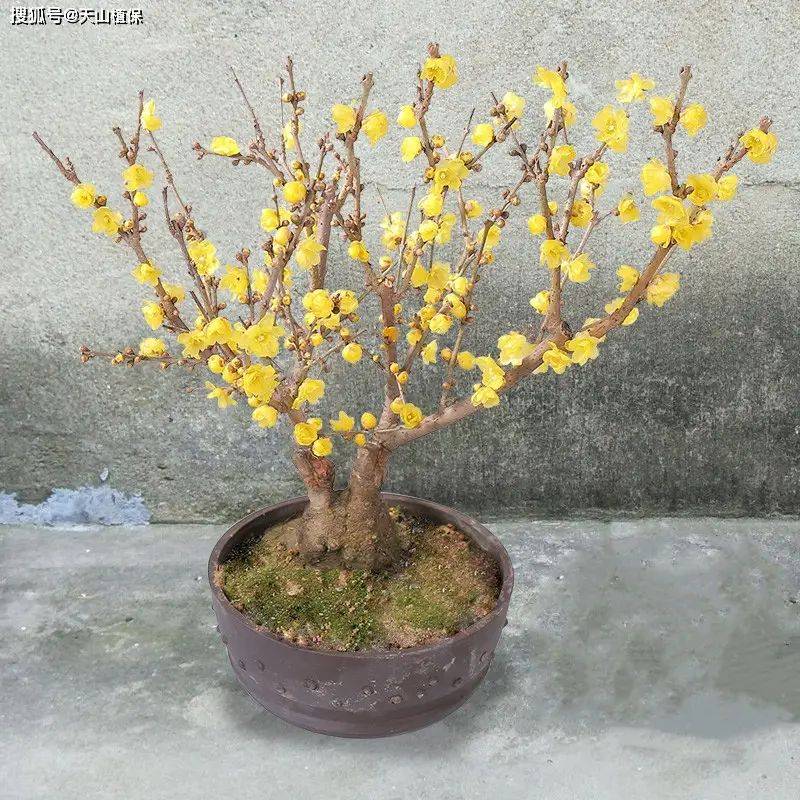
Lame, also known as wax plum and yellow plum, is the most beautiful view in winter. And when everything is in ruins, it sets up branches with golden petals and radiant fragrance, and becomes a pen of the garden and the balcony. It's not hard to keep blamey well, and you can keep the family alive。
I. Soils: the basis for permeability
Ramegen is a well-developed, grazed, fertile, well-drained micro-acid sandy border. The soil can be combined with a small amount of corroded bread fat or bone powder to increase fertility by foliage, ground and sand at 4:3 pm. With clay or alkaline soil, roots are prone to decay and poor growth。
Small technique: pellets need to be changed every 2-3 years and best after spring flowers. Cutting the roots and rotting roots and retaining a third of the original soil, which may be mixed with a small amount of pine-coated soil。
Ii. Light and temperature: all day light + chunging
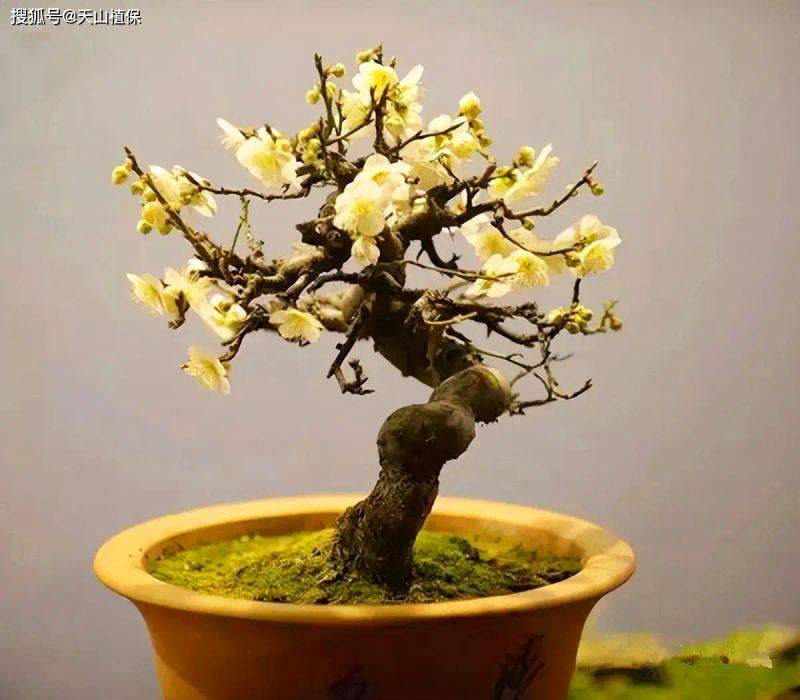
Lame is a typical “sun plants” that require direct light for more than six hours per day. In the long term, the branches are easily grown and the buds are reduced. During the summer, the sun is drenched, but at high temperatures, the sun must be properly covered to avoid the tan。
Rhame is cold, can withstand 15°c low temperatures, and the northern part of china is free of stress. However, it is important to note that after december, pelvis plumes are moved into the room, with room temperature remaining at 5-10°c for longer flowering periods, and if room temperature is above 15°c, the flowering period may be earlier but shorter。
Interesting knowledge: lame's “cold-resistant code” is hidden in the leaves — their backs are covered with gas holes, their closings in winter reduce water evaporation, while wax petals are resistant to cryogenic injuries。
Iii. Watering: dry permeation and water scarcity
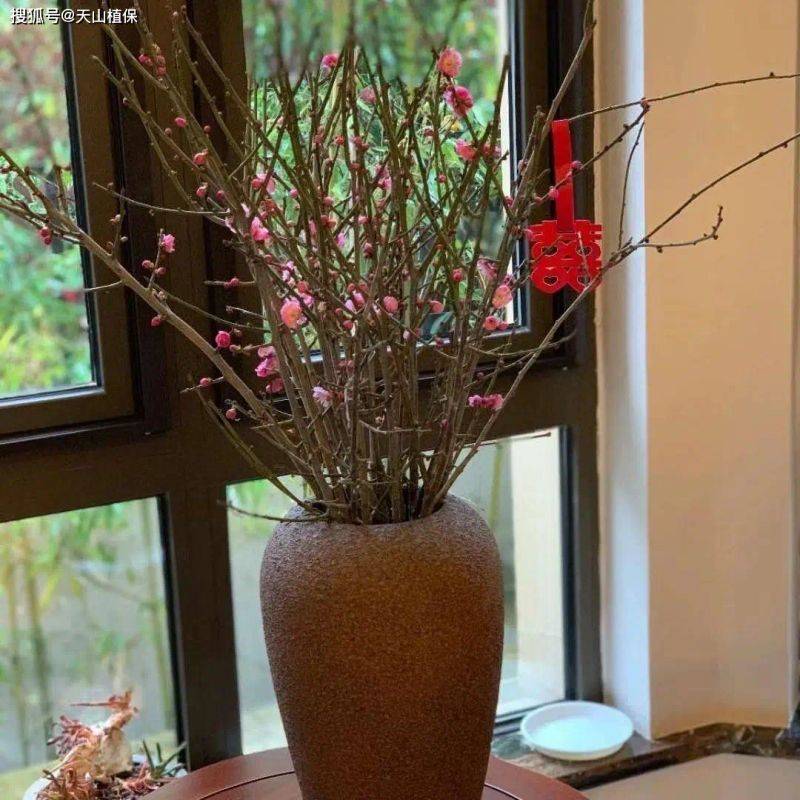
Rhame is “dry-resistant” and watering follows the “dry-and-wet” principle. Spring and autumn water every 7 to 10 days, summer every 3-5 days (early and late) and winter every 15 to 20 days. Every time water is poured into the bottom drain, the soil must not be wet for long periods。
Catalysing guide: water needs to be properly managed during the guillotine period (july-august) to keep the soil dry and to facilitate the formation of the bouquets; overwatering can lead to early gravitation and dim colouring of the flowers。
Iv. Fertilization: bounty and hard work, colorful
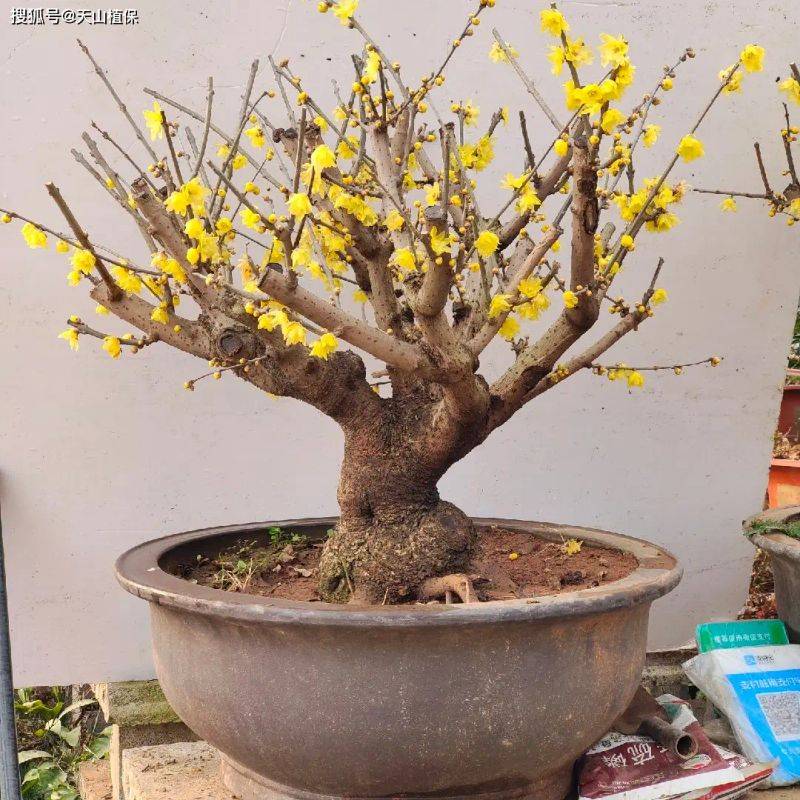
Lame is fat, but not fat. Following the onset of the new sprouts in the spring, a monthly application of thin pie fattening (fertilizer: water = 1:10) is carried out; the lumbering period (june-august) is replaced by the application of potassium phosphate fertilizer, such as potassium phosphate solution (1. 1500), once every 15 days; and an increase in the application of organic fertilizers, such as decomposition of sheep dung or bone powder, is applied in the autumn to enhance the resistance to cold。
Experiences of old flower farmers: application of compound fertilizer immediately after flowering to supplement nutrients consumed by flowering; loss of fat before winter, avoiding freezing of newcomers。
V. Strengthening: transition and standing
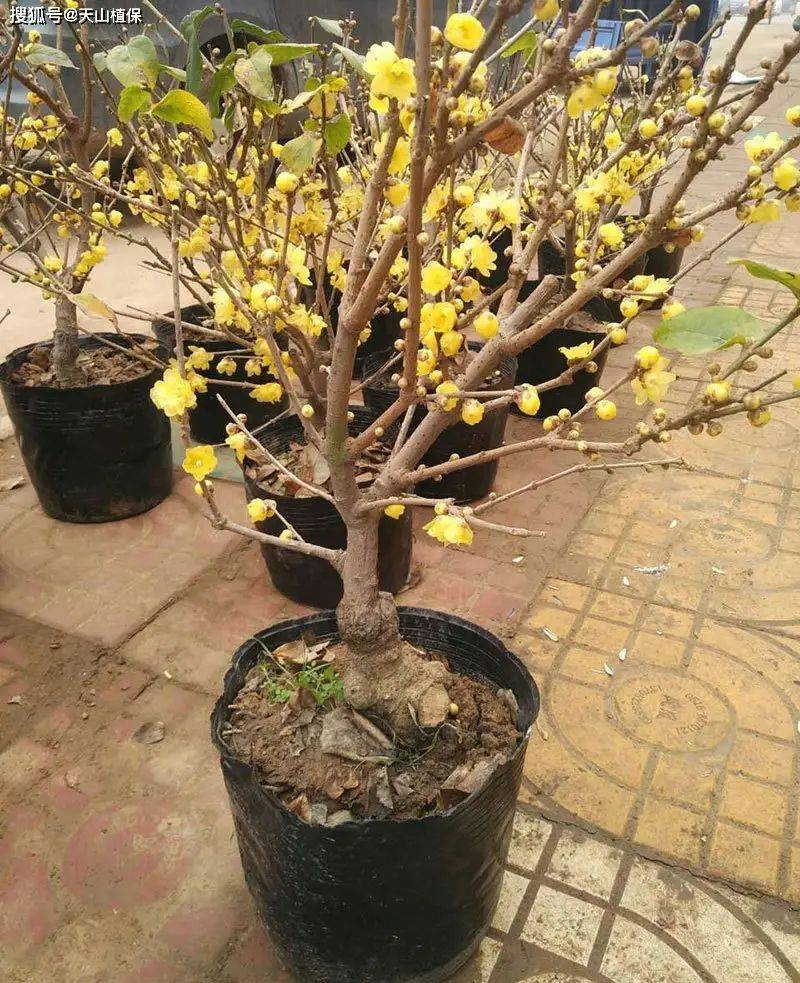
Rhamei is strong and needs to be trimmed regularly. After the flowering (february-march), cut flowers, dead branches, cross branches, and retain three to five branches, each of which leaves two to three branches; during the summer, the heart breaks to contain the top edges and spurs the side branches to develop; after the winter leaves fall, tectonic trims, such as the “crawl-on-the-water” type, can be performed to increase the visibility。
Case: the ten-year-old lame view, which ends up in the form of a “twisted cloud” crown by cutting the inside branch and pulling it in the spring of each year, with three times more flowers than uncut plants。
Vi. Pest and pest control: prevention at the heart, integrated management
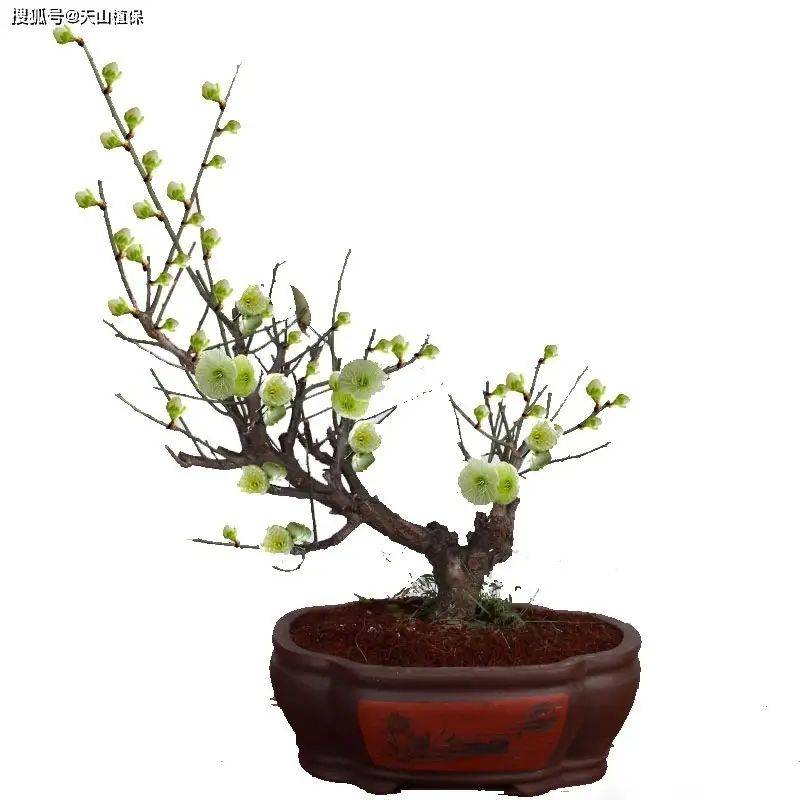
Anthrax and foliage are common diseases in rame, often caused by high temperature and humidity. Method of prevention: stay ventilated and clean-up leaves in a timely manner; 50 per cent more than 500 times more fungus sprayed every 10 days, 2-3 times more。
Insects are predominantly aphids and red spiders, and can be sprayed with soap water (1:50) on the back of a leaf or booby-trapped with yellow viscos; and 1,000 times more in severe cases。
Vii. Reproduction skills: high fertility rates
Rhamé breeds mainly in the form of matrimony, which is most commonly used. In mid-march, the saplings of the dog arami were chosen to be gillwood, a one-year sprout (seven to eight centimetres long, two pairs of buds) were selected, wedged into wedge and weeded and covered the soil wet. After one month, the work is completed and the surviving person can be replaced。
Fun experiments: reproduction of rame by “corresponding”, matching the ear with the gill branch, covering the wound with plastic membranes, cutting off the mother strain after two months, with a survival rate of up to 90 per cent。
The conservation of lame is a dialogue with time. From earth to trim, from water to fertilizer, every detail hides the wisdom of life. And when the first radle of winter blooms, you will see that all patience and care will be turned into the intoxicated golden yellow. Now, take this guide and meet your rhame spring



