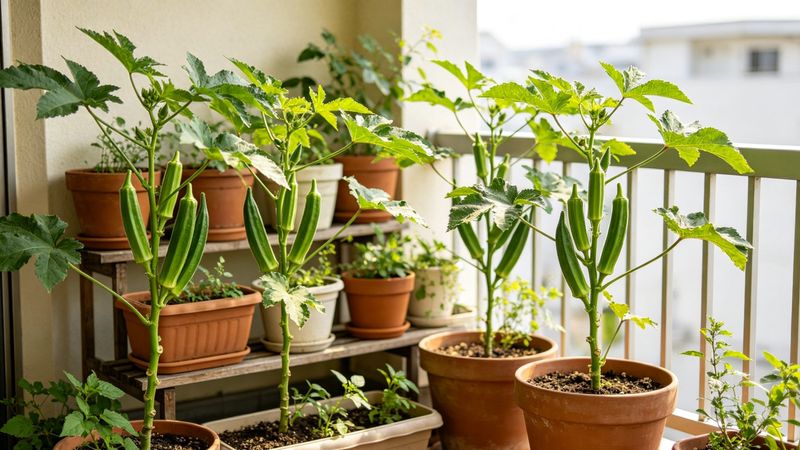
The “over-receiving” of large-scale watermelons refers to the planting of multiple harvests. Usually seeded in mid-january, planted in mid-february and later in february, the first harvest of watermelons began after 1 may and was completed by the end of october, often as many as 5-6 harvests. The “one harvest” cultivation technique is based on the long-term coordination of the relationship between the root, vine, leaf and melon. Here are some of the highlights of the “over-receipt” cultivation in the watercracker:
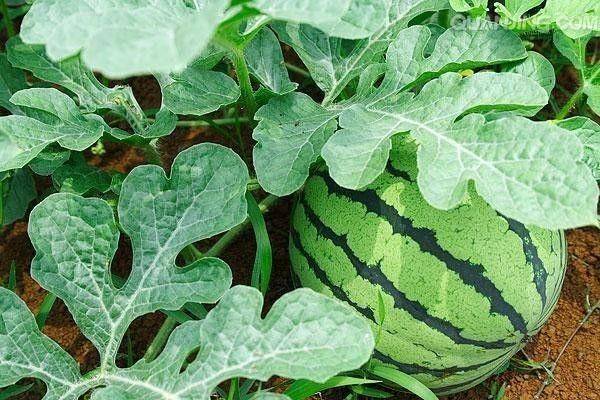
(1) 500 kg of fertilizer and 50 kg of phosphate fattening, based on the timely application of base fattening, combined with acre conversion to fertilized soil. Acres of 10-15 kg of compound fertilizers are used for the drying of the rain and drying of the rain, as well as for the cleaning of the ditches that follow the pre-plant planting。
(2) the selection of high-quality, disease-resistant and resilient varieties is the basis for the capture of the “over-receipt” high yield of the watermelon. According to practice, the early-good (8424) series is generally good, and markets are better marketed because it is medium-sized, yielding more and having better quality. At the same time, the use of the huts by “one harvest” has been relatively long, requiring high-quality construction of the huts to function as winter, wind and rain-proof。
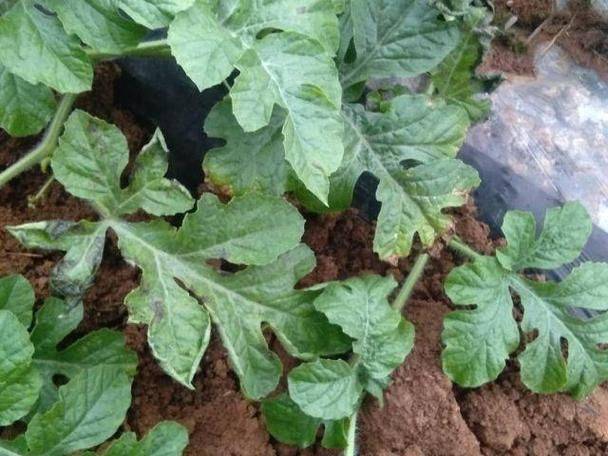
(3) fertilizer management of water is followed by the planting of watermelon to the chicken, which is usually not required because of the nutritional growth of seedlings and base fattenings, except for the draught of water. When the main chicken grows to 40-50 cm, the sides start to grow, and the plant grows faster and the demand for fat water begins to increase. If there is insufficient fat, slow growth, small leaves and light leaves, light water is applied to promote the growth of the chicken. The demand for nutrients has begun to increase significantly as a result of the growth of the guacamole to the hour of the egg, so it is important that it be applied well. I don't think so
One or two batches of melons, due to high base fattening, low temperature and long maturity periods, are applied in the same amount once a week, when the guacamole grows to the size of the bowl, with a combined three-dollar fertilizer of 15-18 kg and water of 200 to 250 kg. The fertilization was stopped 7-10 days before the harvest. Since then, because of the high temperatures and the rapid maturity of the guacamole, it is generally applied in ping-pong hours and again after a week, in the same amount as last time. The whole watermelon produces a long-term amount of fertilized fat, with a normal acre application of 250-300 kg of compound fat. During the high-temperature season in july and august, fresh water fertilisation is also required because of the high evaporation of the leaves。
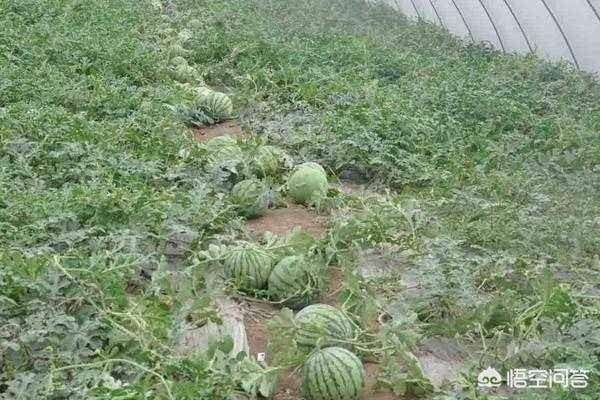
(4) the whole of the chicken is “over-receiving” with 300 to 350 saplings of melons, using the whole three-cranium method. When the chicken grows to 20 cm, a main chicken and two strong chickens are chosen. The chickens, which are grown on the lord and the bystanders, are usually left with one or two, and the rest is removed. The lord and the cock don't usually hit the top, so that they can take it. When the second batch is collected, the base-side spasm is generally used. In general, as a result of the application of inflatable fertilizers, many of the chickens grow in the base department, and when they grow to around 20 cm, two or three of the strong chickens are chosen and the rest removed. These are freshly grown corsets, large and of good quality. The purpose of the chicken is to distribute the chicken evenly, and the seedlings are generally planted 50 to 70 cm from the center of the ditch; of the three chickens selected, the chickens are stretched out, and the chickens are spread out to the inside and along the edges, so that there is no overlap between the chickens。