In the southern part of the country, where the rains are wet, how can the production of watermelons achieve the objectives of high quality, high yield, early marketing season and long harvest periods? The use of three membranes of watermelon to cover the entire rainy season is a good approach。
In mid-april to mid-may, large-season watermelons will be grown in successive batches of melons, with a total of 5-6 kg of melons and a total of 750-1000 kg of melons, and in late may to early june, a second batch of melons will be marketed in approximately 5 kg of melons, a total of 1,100-1500 kg of melons, a third batch of melons will be marketed in the high-temper season, a production of 1,000 kg of melons and a high-management level of melons. The main technical characteristics of this are:
Choose resistant varieties, properly rare
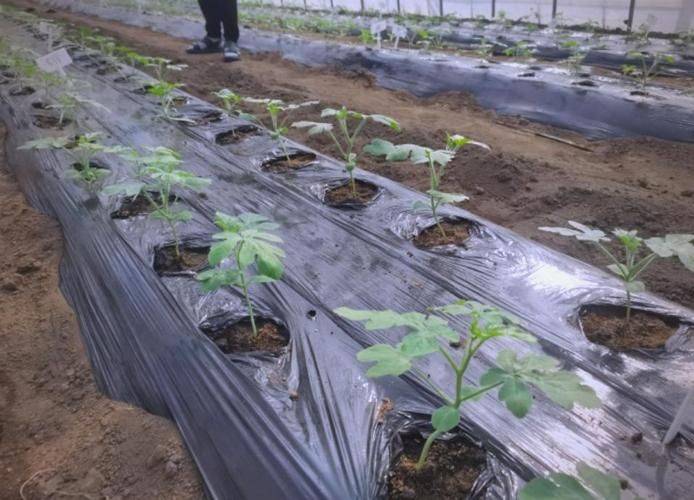
In view of the long and long-lived seasonal cultivation of watermelons and the numerous factors of environmental disturbance, it is important to choose the varieties that are resistant to disease and suitable for the facilities, such as “84-24”, which are generally based on live seedlings and rotations, and are not suitable for seedlings or co-cropping. The insatiable and prone to premature decay of the acupuncture tree, for which long-season planting should be carried with the power of the accelerator suitable for summer cultivation. Long-season planting should be properly rared, usually around 250 plants per acre, for the benefit of whole chickens。
Strengthening fertilizer management
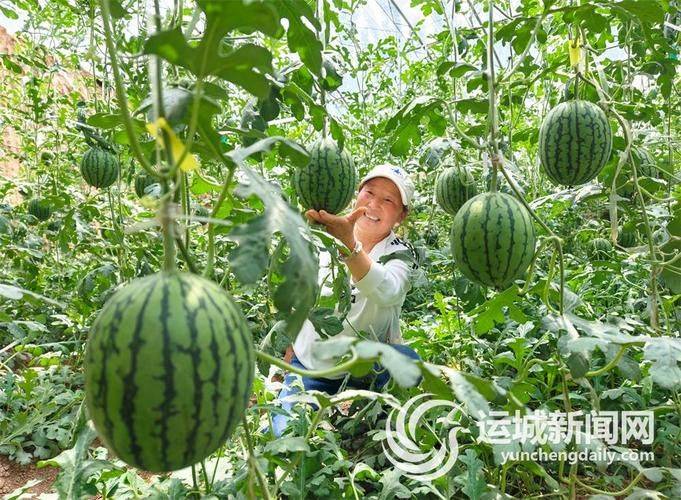
Cultivation in the watermelon season is characterized by high levels of fertilization over time, in particular the ageing of the lower leaves of the plant in the later stages of growth, and the need to promote new chickens and increase the area of nutrition through water management. In addition to the application of foot-based fertilizer, it should be followed up in due course, depending on the strength of the plant, and once after each picker, it must be followed up and then taken by the melon. Fertilizers are generally grown over long seasons by applying foot-based fertilizer, with 1,000 kg per acre of decomposition organic fertilizer, 30 kg of tri-dollar compound fertilizer, 25 kg of calcium perphosphate, 15 kg of potassium sulphate and a combination of evacuation and ditch application. Upon transfer, acres were fed with 0. 15 kg of compound fat, 0. 1 kg of potassium dihydrophosphate, 0. 1 kg of digsone and 50 kg of water, each of which was about 200 ml. The fertilizer is applied early, and the eggs of the larvae are applied for the first time, 10 kg of compound fertilizer per acre and 5 kg of potassium sulphate, and thereafter every 7 to 10 days at the same level. Following the harvest of each batch, the watermelon is considered to be 10 kg of compound fat, 5 - 10 kg of potassium sulphate per acre, and is sprayed with 1 - 2 doses of potassium per leaf fat, 0. 2 - 0. 3 per cent phosphate, with a water volume of 60 - 70 kg per acre; the use of fattening of each batch is essentially the same. Long-season cultivation of watermelons is a high demand for fatty and generally requires drip irrigation of water to provide fattening, both to reduce field humidity and to prevent disease and to meet the needs of watermelon growth for fatty. Eschede watermelon fertilizers, rich in organic, amino acid, calcium, magnesium, boron, zinc, etc., and good water solubility, have a better effect on the production and quality of the watermelon and can overcome the deficiencies of compound fertilizer that is not easily followed by drip tubes。
It's a rational whole chicken
It is generally not necessary to have a whole branch on board or, if the leaves are too strong, to have a part of the branch in front of the fruit table, so as to avoid excessive overlap between the chickens and the melons. The first ones sit on the main chicken, one for each. When the first ones are about to mature, they can be pollinated in groups, and when the second batch is taken, it depends on the size of the smelt, which is still strong, with more, less and less. When the hot season is hot in the summer, it is necessary to sit as low as possible in order to feed the vine. In the third and fourth batch of cucumbers, with the exception of the old, sick and ferns, the branches are largely incomplete to maintain the growth of the plant. When the temperature is reduced, the plant recovers its growth, allowing for an adequate number of sitting melons and early pickles. There is also the use of the “gang regenerative method”, i. E., a four-to-five leaf-leaf cut off from the base after harvest, cleaning the field, strengthening management of fatty water, using the new chicken-sitting fruit given by the chief minister, but this method is long, consumes more nutrients, yields less small and harvests later。
Focus on summer and heat management
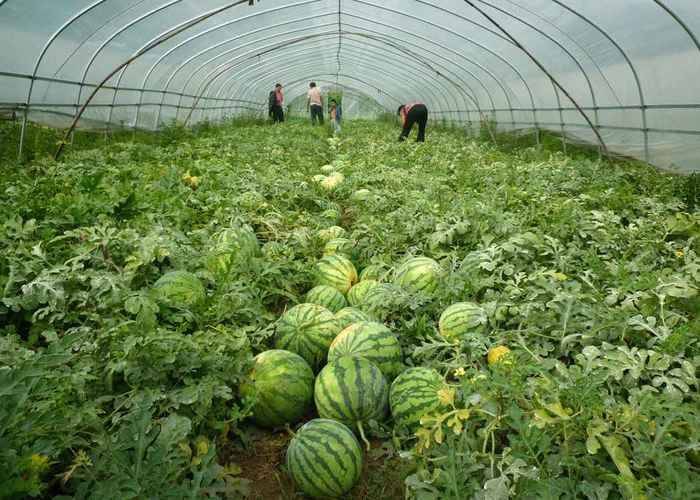
During the summer, high temperatures caused melons to become cucumbers, smaller melons, darkened gills, lower yields, lower quality, and even early decay of the vines, killing the plants. Management is therefore based on the conservation of roots, vines and vines, controlling the number of sitting melons, not overloading them, while enhancing ventilation and cooling, and, in parallel with ventilation on both sides of the sheds, placing a net of sunscreens, old filaments and, if necessary, excavating holes on the roofs of the sheds, and covering the root systems with straw and dead leaves. An appropriate increase in the number of times water is pumped, the appropriate amount of water is used each time and the concentration of fat water is diluted to prevent root burning. In the evenings or mornings, dripping and, as much as possible, application of fertilizers, such as 0. 2-0. 3 per cent potassium hydroxyphosphate, in combination with pest control. Following the fall in plant resistance, particular attention is paid to pest and disease control, with a focus on the hazards of watermelon anthrax, cranium, leaf and powdery diseases, preventing early plant failure。