


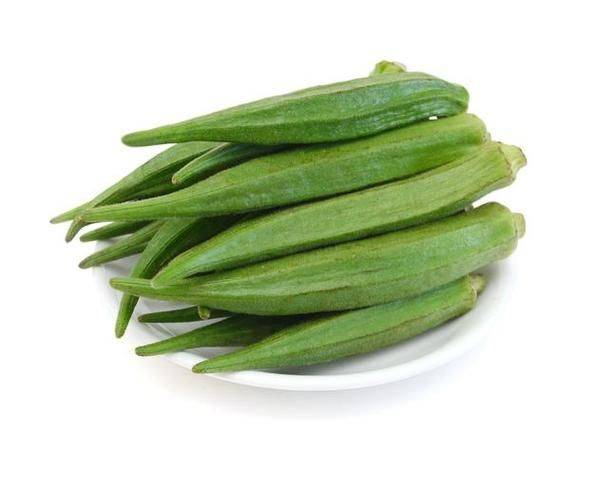
Autumn sunflowers, also known as renal herbs and autumns, are one year old herbs. It's beautiful, and it's fruity, and it's cone-shaped, and it's like croissants, so it's called croissants. The skins of the fruit are 5 to 6 platinum, hairy, soft meat, lubricant, which can be used for cooking, mixing, soup, etc. And contain minerals such as proteins, various vitamins and calcium, iron, etc., at a higher content than normal vegetable fruits and fruits. A well-nourished, tasted, healthy stomachs, intestines, and liver and kidneys, is a well-loved health vegetable. The following are some of the highlights of the techniques used to grow the autumn:
I. Cultivation
In order to facilitate harvesting and management, it would be preferable for production to opt for a pre-established, short-stretch type of species with clear-cut omens. Such as the new tokyo five, the taiwan five-five and the beautiful five point. Autumn is a short-lived, hot-hot, cold-resistant crop. The yangtze basin was planted in the open and was broadcast live in early april. In order to be marketed early, nurseries could be set up in march。
The suitable temperature at which sunflower seeds sprout at about 30°c or below 12°c is slow and slow to sprout in cold and wet soils generally requires seedling. Seeds are treated before seeding because of their thick skin and thick skin, and are immersed in hot water at 30-35 °c for 10 hours, leached, packed in incubators at 25-28 °c for two days, when half of the seeds are white. Live cultivation can be used, as well as nutrientd seedlings can be used for the cultivation of sunflower。
For early seeding, nutritional seedlings are usually used, and well-prepared nutrients are fed into 12 cm of nutrition and water is provided. Two to three seeds per trip, then a layer of soil, covering membranes and keeping temperature and humidity. Temperature control is around 25°c. In general, small seedlings can grow after five days and the temperature remains above 15°c after seeding. If the weather is hot and the temperature of the nursery is above 35°c, the membranes that open the shed are ventilated. When sumi grows two or three leaves, he can plant them in daejeon。
Ii. Standing
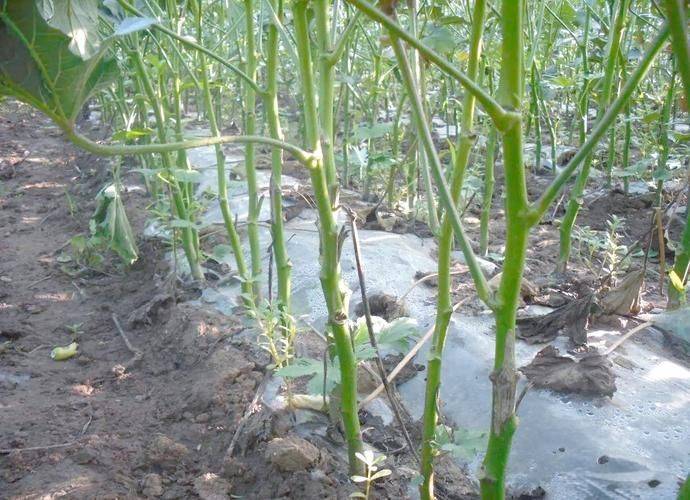
The roots of the autumn are well developed and deep into the soil, with the choice of the fields to be cultivated in deep, estranged and fertile areas, with good light and easy to drain or drain. Before seeding, 20-30 cm deep, 2,000 kg of manure per acre, 25-50 kg of phosphorus and 10 kg of potassium. The drizzle, the rained area of the south, is to be high, 120 cm wide and 40 - 50 cm wide. Small seedlings are taken lightly from the nutrient quarries, and care is taken not to damage the roots of the roots, and to dig and plant them on the sides, 60 to 70 centimetres in length and 40 centimetres in length. We're going to have to plant the back face。
Under live cultivation, two to three seeds per den, two to three centimetres per ground, and around 2,000 kg per acre, are dug every 35 to 40 centimetres on the surface of the acre. The barbs open ditches at a distance of 60 centimetres at depth of 3 centimetres, so that the seeds are evenly distributed in the ditch. A week later, the seedlings begin to excrete, in time for seedlings to grow to one or two leafs, so that the seedlings can be uprooted from the weak, the insects, the deformity seedlings, and when the two or three leafs spread, a strong seedling is selected for each den。
Iii. Field management
In the early stages of planting, the temperature is low and the growth is slow, while weeds grow faster, with timely tillage in order to increase the temperature of the ground and act as protection against weeding. Every 7 to 10 days to promote the seedlings。
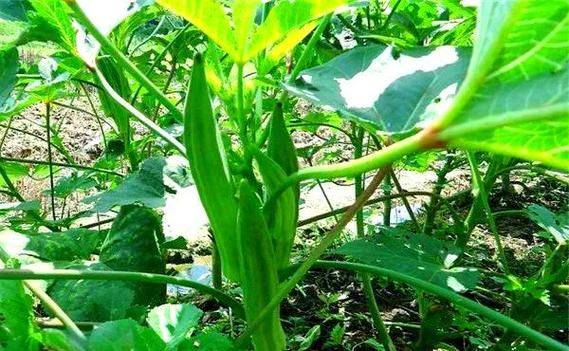
Autumn absorbs strong fertility and results over a long period of time, and in order to have sufficient nutrients throughout the reproductive period, it is necessary to increase the pursuit of fertilizers in addition to the application of base weight. For fertilizers, a nitrogen phosphorus is required to be fully potassium, primarily for the pre-growth period, mainly phosphorus, potassium fat for the mid-term and later periods, excessive nitrogen fattening, long and slow-growing plants, insufficient nitrogen fertilizer and reduced production due to poor growth. One week after planting, 500 kg of rotting manure per acre is applied, and 10 days later, it is pursued again. When the plant is up to 40-45 cm, it thrives, applying 10 kg of compound fertilizer per acre. When the pre-flower plant is small, the flowers and berries are removed in time to ensure that the plant grows. After the start of harvests, three-dollar compound fattening of 5-10 kg per acre is applied every 20 days, prompting the condensation; in the later stages of growth, one-two fattening continues to be pursued to prevent early plant failure。
Owing to the size of the plant and the need for more water, the soil is humid during its growth. During the high-temperature drought of july/august, water is to be fully supplied once a week. Plants must not be subjected to drought, especially during productive periods, so as not to affect growth and reduce the quality of the fruits. Following heavy rains, water is drained in time to prevent the accumulation of water from causing rotting roots。
Growing up in a warm and luminous climate. The temperature range required during the flowering outcome period is 18-35 °c and is most appropriate at 25-30 °c. When plants bloom, they are grown in the event of rain and rain, creating the drop-off buds, which are scarce. Overdensity in the fields and the protection of the sun also cause poor growth. During the flowering outcome period, agricultural farming is strengthened to promote root stretching. Weeding is done in time to avoid grass. For ease of management, membrane use is free of pine soil for weeding。
The autumn is dominated by the result of the main tubing. When the brows of the base are sprung, branched, or planted too dense, and shaded, they are not conducive to growth, they should be removed in time to avoid nutrient depletion and to improve ventilation. The main branch is at a height of about 60 centimetres, which allows the nutrients to concentrate on flowering。
Before planting the plant, when the soil is washed from the roots of the irrigation or rain, the roots shall be bred in a timely manner to promote the growth of the root system and prevent reversals. When the plant grows more, it shall be supported by bamboo or wooden sticks, and the main tubing shall be held in such a way as to prevent reversal or break by the wind. Following the harvest of the nuts, the next 1-2 leaves were retained and the following leaves were removed。
Iv. Pest management
Autumn sunflowers are highly resistant to disease and are generally less ill, with the main pests being aphids, parrots, cotton bells, bridge worms, slashed night moths and peckles. Aphids, aphids can be treated with 3000 times the cream of 10% aphids or 3000 times the spray of late-year cream; cotton bellworms, bridge worms, slashed moths can be treated with 5% protection of 1,500 times the cream or 15% with suspended spray of 3,000 times the spray. Pyramid 2,000 times liquid for zephyr fly. It is important to combat pests at an early stage, and to do so as fast as possible at the spot level so as not to affect yields and quality。
Collection
It takes between 50 and 60 days to sow and harvest, six to eight days after flowering, and the fruit can be as long as 6 to 8 centimetres and 10 to 15 grams of single fruit, at a time when it is light, green, of good quality and timely harvest. If the harvest is too late, its length exceeds 13 cm and it is easily fibrogenic, affects quality and loses its food value. When harvests take place, be careful not to damage the plant with the handles off the abdomen. Early harvests take place every two to three days and can be collected once a day or the following day by the august festivities. The average acre production amounted to 1,500-2000 kg。



