


The greenhouse requires the selection of a temperature-preserving solar greenhouse, a layer of grass cover, a surface membrane, a reflection of the back wall and, in the coldest months, an average daily temperature of about 13-20°c. Selective products: mainly medium- and early-literated, long-lived autumn varieties, such as taiwan five-five, qingfu, kariba, etc. (a) land-wide: before planting, it is necessary to apply foot-based fertilizer, generally using chicken manure and human urine, deep tilling, spreading compound fertilizers after opening ditches and then covering the membranes。
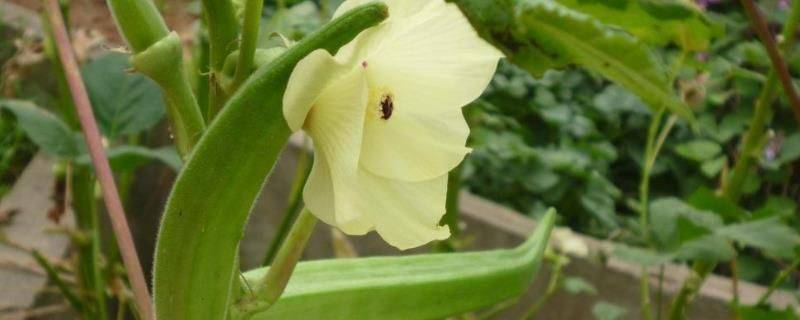
I. Autumn greenhouse cultivation techniques
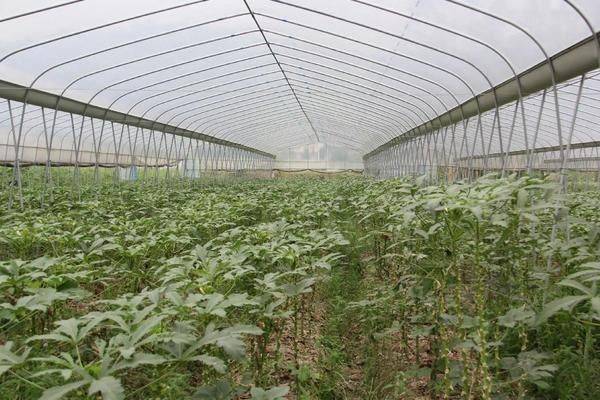
1. Greenhouse requirements
(1) the solar greenhouses, which are generally used for better temperature-preservation, are coated with one layer of grass cover, the ground membrane, and the back wall with a mirror to enhance indoor light. In the coldest months of winter, night temperature in the greenhouses should be maintained at 12-15°c, at 25-30°c in the daytime and at 13-20°c in the day。
(2) in case of catastrophic weather, temporary warming is required to ensure that the minimum temperature of greenhouses is not less than 8°c to meet the need for the growth and development of sunflowers。
2. Selection of supplies
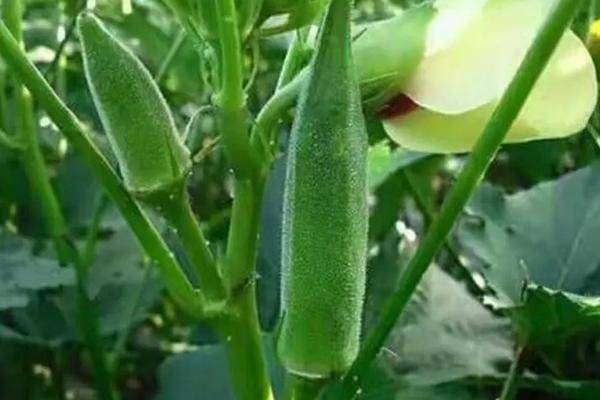
Autumn cultivation in greenhouses is mainly based on medium- and early-creatured, short-sized autumn varieties, such as taiwan's five fries, qingfu, kariba, tokyo's five point。
3. The whole area
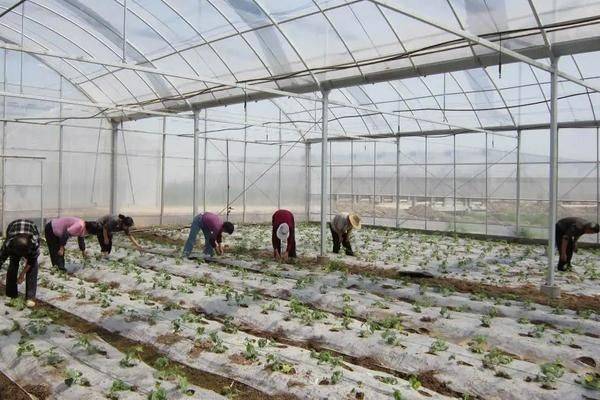
Autumn is grown in greenhouses with pneumatic fertilizer, usually 60,000 kg of manure per hectare. Deep dredges, opening ditches at a 60-centimetre line and spreading 750 kg of compound fertilisation in the ditch. It is then made into a 15-cm high saddle, covered with a membrane。
4. Cultivation
(1) sowing time
The planting of yellow autumn in greenhouses will take place from mid-october to early november。
(2) drum treatment
Seeds are immersed in warm water for about 24 hours and then wetcup at 25-28°c。
(3) sowing methods
When one sprout is 0. 5 cm long, it is sowed in a trophic series of two grains each, with 1 cm of covered soil, and then seeding at a temperature of 25-30°c during the day and 15-20°c during the night, which is normally available for four to five days。
2 young seedlings cooled after soiling, 22-25°c during the day and 13-15°c at night. The second leaf has sprouts of time, and every sprouts has sprouts。
Five
(1) when a seedling reaches 3-4 saplings. The calendar is set at 30 to 40 days old. One week before planting, the seedlings will cool down。
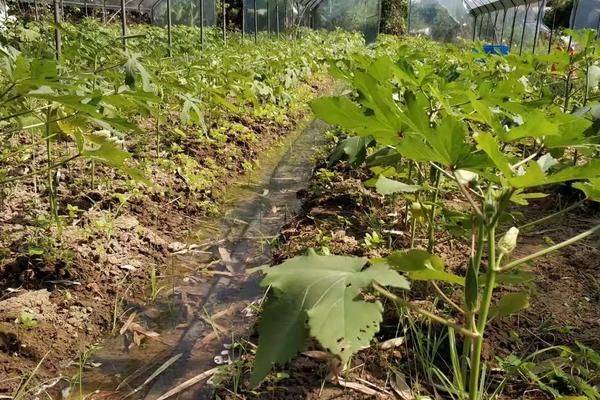
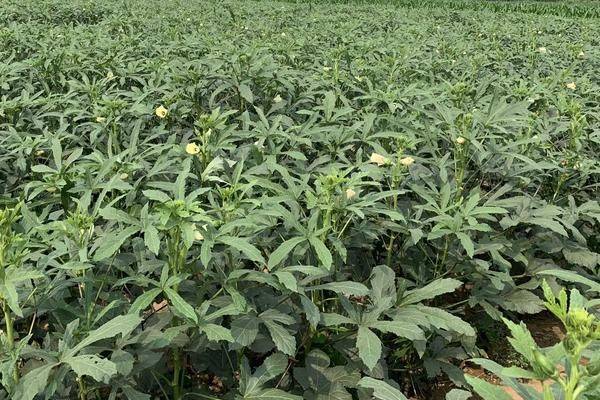
(2) a clear weather is chosen for planting, with a hole at a distance of 60 cm from 25-30 cm; the den is sealed and sealed, with approximately 60,000 seedlings per hectare, and once water is poured through the underground ditch immediately after planting。
Ii. Methodological methodology for acknowledging
1. Temperature management
(1) the temperature of closed sheds after planting promotes the cold seedlings, maintaining 28-32°c during the day and 18-20°c at night. Temperature after slow seeding, 25-28°c during the day and 15-18°c at night. Temperature regulation is mainly based on the timely disclosure of grass and wind。
(2) after the result, the temperature is maintained at 25-30°c during the day and 13-15°c at night, and the temperature is increased in the furnaces in the greenhouse when the minimum temperature is below 8°c at night. Night and night ventilation occurs at 15°c in late may。
(3) the rain and snow must be exposed in due course at noon, in order to obtain more light, and later when the temperature is too low。
2. Fertilizer water management
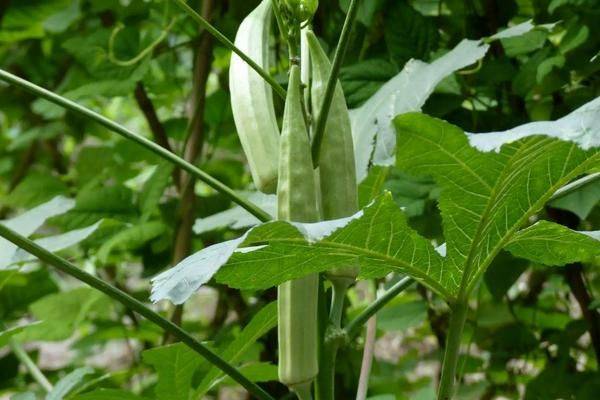
(1) when the sunflower is planted, until the first flower is opened, it does not normally follow the fat water, and then the fat water begins to follow after the sheath. The water is to be poured in the middle of the morning, under the membrane, and warmed up in the closed sheds after the water, increasing the temperature of the ground and following the water in pursuit of the compound fattening of 300 kg/ha。
(2) water shall be poured every 15 days in pursuit of fattening in order to maintain soil moisture. Water should be poured every five to seven days after temperature rises in early march, and should be combined with fat。
3 the whole leaf
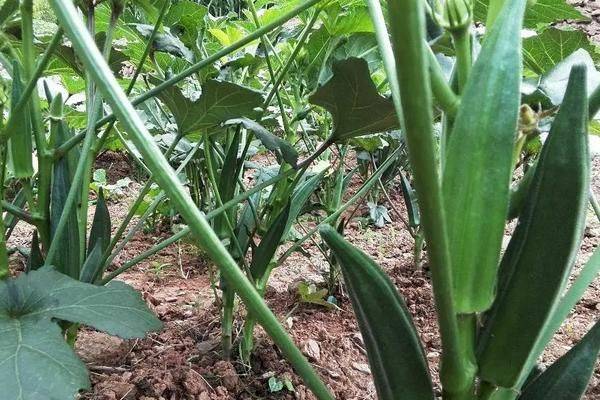
(1) the removal of the lower branch of the plant is carried out in a timely manner under conditions of dense planting. When planting is less dense, one or two branches of the base can be kept, so that they can collide with the master。
(2) in the later stages of growth, one or two leaves under the calf shall be retained after harvest and the rest of the leaves shall be removed. Creatures up to 1. 2-1. 5 metres。
4. Hormonal stimuli
At lower temperatures, the poles can be painted with ketchup 50-60 mg/l, increasing the seating rate to 95 per cent. High aesthetics or other leaf fertilizers sprayed 600-800 times more liquid every 15 days during the season。



