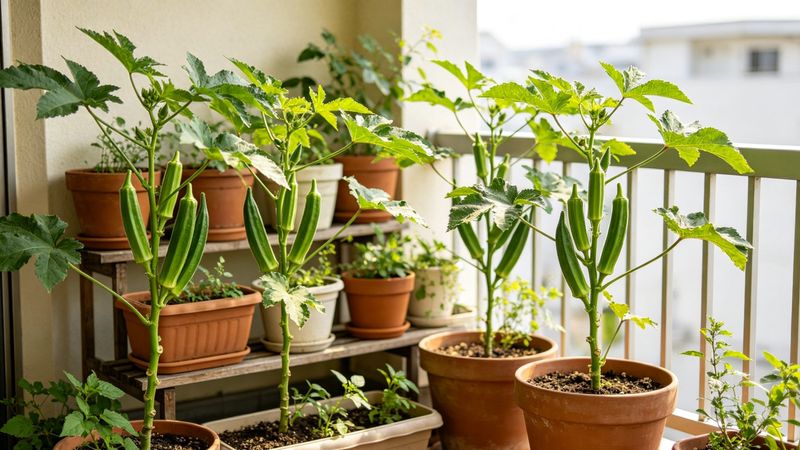
Potato farming needs to be adapted to local conditions for planting in a timely manner, using rice straw-covered netting, dry-dry make-up and oil-meat blends。
I. Selection of fields
The choice is good drainage, deep earth cover, soil estrangement and fertility, high organic content, good permeability of micro-acid border or sandy soil。
To the extent possible, it should be avoided to associate with the crops of tomato (e. G., peppers, eggplants, tomatoes, etc.) and root (e. G., potatoes, carrots, carrots, etc.), tubers (e. G., potatoes, potatoes, ginger, etc.). If this is not avoidable, soil disinfection should be done, with 30 per cent of the acre using an amphibious oxidant of 800-1,000 ml of soil sprayed 100 kg of water。
Ii. Selection of varieties
Autumn potatoes should be selected for high-quality detoxified or expanded varieties suitable for the ecological area, with harvests at the end of june or early july, with low-level potato areas and a concentrated distribution of chips, and early or medium-cooked varieties for 60 to 90 days of childbearing, such as chinese potatoes 2, 3, 5, feurita, kawasa 4, 5。
Iii. Those those
(i) cut. Acres are grown from 120 to 170 kg of potatoes (depending on variety, size of chips, budding, etc.). The removal of sick and rotten potatoes requires the cutting of more than 50 grams of potatoes, and looks at the buds at the top or the buds at the end of the line. When cutting chips, one person is required to provide two cutters, which are disinfected with 0. 2 per cent potassium permanganate solution. When the disease is cut, the rotten potato (brown, black circle) is cut off, the sick piece of potatoes is removed and the knife is placed in the disinfection, followed by another cutter in the disinfection for the potato cut, which is used alternately。
(ii) sterilization. Crops of potatoes and uncut potatoes after they have been cut, first washing the flour and mud with fresh water. Sterilization is carried out using the following methods (either):
1. 28% thorium thorium furamide seed treatment suspension 70 g + 2% chronicin water 100 ml to water 100 kg and impregnated for 10 minutes。
2. 450g/lmimetamine emulsion 40 g + 2% chronicin water 100 ml to water 100 kg and impregnated for 10 minutes。
(iii) trigger. If the detoxification seed has broken the hibernation, most of it has sprouts or has sprouts, it is important to remember that it is no longer acrylic (“92”) sprouts. If the returning seed has not broken the hibernation, the 1 ppm (i. E. 1 ppm) of cromic acid can be added to the formulated disinfection to break the hibernation and to promote early and clean seeding. Specific method of calculation: achromic acid use (g) = formulation of a dose of medicine (kg) x 1,000 ÷100,000 × 1 cyrochlor formulation concentration (%)
Example: using 4 per cent aromic acid emulsion, 100 kg of solution at 1 ppm of aromic acid, calculated as: 4 per cent (g) = 100 x 100 ÷ 1,000,000 × 4 per cent = 2. 5 g。
Note: absorption (sterilisation and sprouts synchronized) occurs after two hours to re-formulate a disinfectant containing acrylic acid, which, if continued with a clausic acid formulation, will cumulatively increase the concentration of acrylic acid, resulting in seed thinning。
(iv) drying. The seeding of potatoes is naturally dryed, until the wound is healed and the wood is embolised and sowed, either in the morning, by the drying of the afternoon or in the afternoon, by the drying of the drying of the morning. The processed potato plant, which was not finished on that day, should not be left in a plastic knitting bag for the night, but should be left in a ventilated room for the rest of the processing plant if it is not available on the day of bad weather。
Iv. Corrections of aground
(i) rice fields. After the rice harvest, the drains were dug. Surrounding ditches: 50 cm wide and 50 cm deep; raving ditches: 30 cm wide and 30 cm deep. The excavated soil shall not be piled up along a ditch, and the face shall be slightly bowed and water shall be avoided。
(ii) drylands. Deep till 25 to 30 cm to level the surface of the ground and to relax. Deep tillage will make the soil lax and air-transmittance, improve soil water storage, fattening and drought resistance, improve the physical properties of the soil, and create good conditions for the full development of the potato roots and the expansion of the chips。
V. Requiring
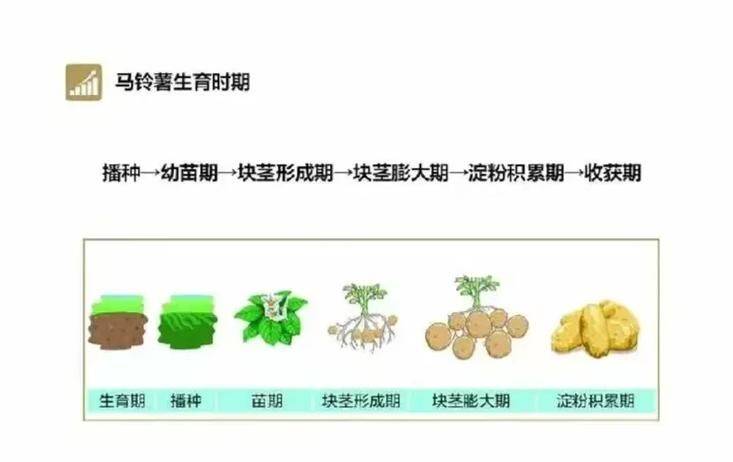
Potatoes are generally measured in seedlings to harvests. Potatoes are cool and seeding in the autumn should normally be stable at below 25°c per day and broadcast early in time to ensure full expansion of the chips. According to multi-year meteorological data, the best broadcasting period is around “whites”, in mid-september, with pre-maturized varieties preferred in mid-september。
Vi. Recognization
Autumn potatoes tend to grow 6,000 to 7,000 chips per acre (approximately 150 kg of potato) as suitable。
(i) cropland free of straw cover. Rice is harvested with shallow paddy stakes, before which deep trenches in the direction of paddy fields are used for drainage and flood protection. (1) net seeding (about 6,700 acres) requires only 43 centimetres by row and 23 centimetres on the surface of the field, so that the seed is in close contact with the soil. (2) potato-oil vegetables are sowed (about 6900 acres) with 66. 7 cm (2 feet) wide, 16. 7 cm (5 inches) deep, 16. 7 cm (5 inches) wide, 2 rows of potatoes on the side, 23 cm back, wrongly seeded, and later planting of oil in the walkroom. Following seeding, straw cover is provided in due course, with 1. 5-2 acre of straw per acre covered with paddy cover of 10-15 centimetres thick in the direction of grass, vertically in the direction of straw and ravine, evenly covered by the tip of grass to the head, with care to cover the entire section closely and evenly。
(ii) dryland planting. Single row (approximately 6,000 acres) at a distance of 66. 7 cm (2 feet), 16. 7 cm (5 inches) and 16. 7 cm (5 inches). One-way double rows (approximately 6,600 acres, preferably based on the feurian cassava growth properties, in order to increase the amount of ground grown and reduce the number of cassavas), 120 centimetres, 40 centimetres (the bottom fertilizing in two rows and planting in two rows after the rise), 16. 7 centimetres (five inches), 16. 7 centimetres (five inches) and the wrong seeding. The sown soil covers 10 to 15 centimetres equally, avoiding sealing off herbicides. After planting, 44 per cent of e-oxyx acetamine cream per acre can be sprayed evenly to the surface with 50-60 kg of water。
Vii. Rational fertilization
The application of balanced fertilization is based on the principles of organic and inorganic combinations, base and pursuit. Potatoes are anti-chlorine crops (prohibited with potassium chloride, ammonium chloride, etc.), and the application of large amounts of chlorinated fertilizers during cultivation can affect the synthesis of starch in potatoes and reduce the quality of the trachea. Potato potassium, high fat water, which is extremely sensitive to fertilizer reactions, requires the absorption of 5. 5 kg of nitrogen, 2. 2 kg of phosphorus and 10. 2 kg of potassium from the soil per 1,000 kg of fresh potatoes, all of which have a absorption ratio of 1:04:2, with the highest need for three elements of fertilizers. Without the use of agricultural organic fertilizers, such as manure, which is not fermented and does not meet the harmless targets, selected fertilizers should meet national quality standards。
Base fat should account for more than two thirds of the total fertility rate, 1,500 kg of organic fertilizer per acre, 30 kg of potassium sulphate, 10 kg of calcium perphosphate, 5 kg of urea applied evenly together or with high potassium potassium sulphate compound (n:p:k: 10-15:7-10:20-25) and 100 kg of acre (70 kg of base fat and 30 kg of fat). Fertilizers are applied in ditches, spread evenly and avoid direct contact between fertilizer and the potato。
Viii. Field management
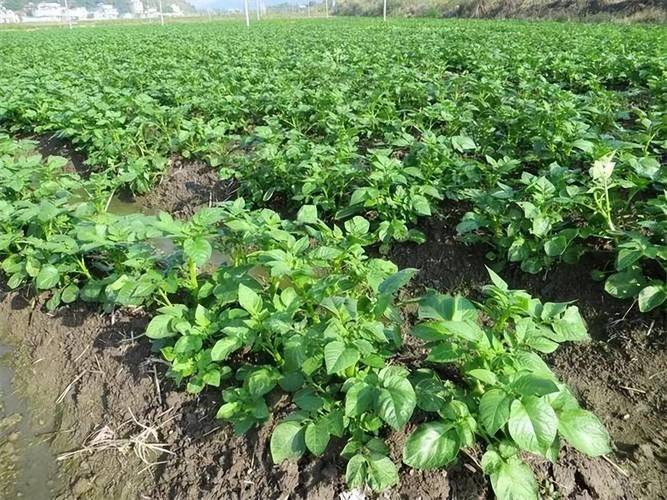
(i) fat pursuit. When young seedlings grow up to 10-15 cm, they are fertilized, and the acres are applied 30 kg of compound fertilizer (the remaining amount after the application of the fertilizer), urea 3-5 kg of seedlings are applied, as appropriate, and the conditional potassium sulphate (purity) is applied 10-15 kg; 98% of potassium phosphate is gravitated to 0. 3-0. 4% leaf。
(ii) cultivation. A combination of grass cultivation and three cultivations. When the seedling is 10-15 centimetres tall, the first medium tillage should be carried out in order to facilitate the promotion of early masturbation; the second in the current curry period in the form of grass tillage; and the third in the form of grass tillage in the form of grass tillage before the flowering season, which should be as high as possible, paying attention to the cracks and collapses in order to facilitate the growth and expansion of the chips, prevent the greening of the trachate and affect the quality of food and commodities。
(iii) stewardship. In cases of excessive nitrogen fattening, continuous rain weather and insufficient light in the soil, the planting of plants is easy to grow, nutrients are heavily transported into the leaves, and there is a delay of only seedlings, no potatoes or potatoes. Acres use 25 g of more than irrigable powder or 25 per cent of more than irradiated accumulant spray for 30-40 kg of water to control the growth of the upper and lower parts of the potato plant, to adjust the distribution of photocoding products, to effectively curb the growth of the upper parts of the plant, to prevent the growth of branches and to promote the expansion of the potato with the potato。
(iv) patient control
1. Insects. Underground pests, such as aphids and euphoria, and tigers, are mainly treated. Aphid acre is treated with 100 ml of high chlorine aphids or 30% thallium accelerant suspension 20-30 g; underground pest acre is treated with 9% aphids = 1. 5-2 kg or 3% thiophosphates with 8-10 kg or 2. 5% awecin granules (which can be treated as a root liner) and is applied evenly in the seeding ditch and on both sides to increase their control。
2. Diseases. It is important that prevention be maintained, especially in the light of the more common incidences of late disease and death. (1) 30% of the acreage is used at 10-15 cm height for the management of night disease suspended agent 30-40 g flat spray on water 40 kg; 40% frosted cyanic acid dispersant 30-40 g flat spray on water at the beginning of the disease, 2-3 consecutive treatments, 7-10 days apart, and timely removal of branches, leaves and dead strains and deep disposal away from fields. (2) the prevention and treatment of ailments is dominated by agricultural prevention and treatment, with crop rotation, curry cultivation, timely drainage after rain, rigorous selection of potatoes and introduction of pharmaceutical treatment. Potato-treatment and field spray can be used for the management of bacterial diseases such as chronin, bacillus copper and americone, with better results in the treatment of pharmacological vents. When disease strains appear in the field, they are to be removed in a timely manner and removed from the field for deep treatment。
Ix. Quite access
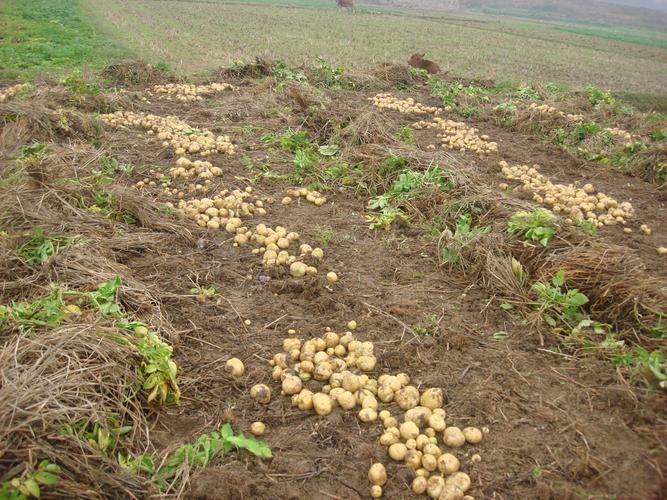
Potato yields the highest during biological maturity. The signs of biological maturity are: (1) the leaf is gradually yellowed from the green, at which point the nutrients in the leaves are virtually stopped; and (2) the stem is dry, and the stem is easily separated from the living rods, which need not be pulled or separated. The harvest has to be done in the clear or in the dark. The fields should be cut five to seven days before the harvest, with the aim of aging the potato skin in order to reduce mechanical damage during the harvest. The mechanical harvest is preceded by the adjustment of the ploughs into the ground to the ground, which is so shallow and sore that it is not clean and so much energy is consumed as to reduce the area of operation on a single plane. Artificial harvests or mechanical harvests of nudated chips in the field take half an hour to dry their skins to pick up their bags in order to prevent damage to their skins and affect their commercial nature。