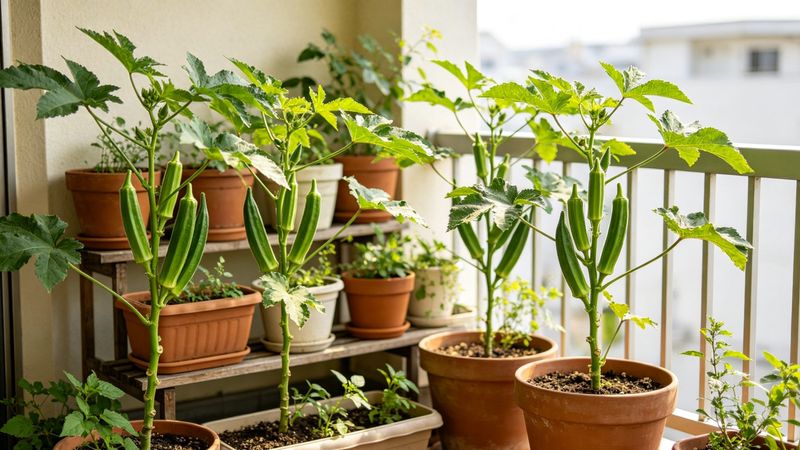
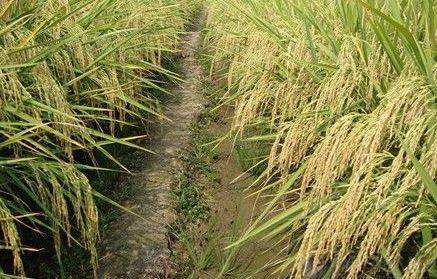
Dry rice, usually grown directly in drylands, is particularly suitable for low-lying areas, without the need for a layer of water for a lifetime, and is based on natural rainfall or, at a certain level of drought, on appropriate quantities of rice. It is managed in a manner similar to wheat。
Elements of the technology for dry rice cultivation: first, the planting of a seedling, second, the elimination of weeds in the field, and third, the need to combine the techniques for planting。
I. Varieties selection. To achieve higher yields, rice must choose varieties suitable for drought cultivation. The requirements are: (1) moderate fertility, usually 10-15 days shorter than the local staple rice varieties; (2) high seed capacity to facilitate the rapid and consistent growth of seedlings; (3) strong drought resistance and normal growth under more arid conditions; (4) high resistance to disease, especially rice plagues and foliage; and (5) good productivity and good rice quality. At present, the main varieties of dry rice suitable for liaoning are dan din, dan din dry rice, dry rice 3, etc。
Land selection. (c) selection of dry or rice fields with low-lying, flood-prone, hill-impregnated fields or well-guarded, softer and moderately ph up to 7. 5. The quality of the whole land must be of a high standard and meet the requirements of ground level, earthy, dark and bright, with no roots. And the earth shall be swung in the autumn, or in the drudgery. The conversion of land from water fields to dry rice must be carried out in the previous year in the form of autumn tillage and dredging in order to prevent the planting of large tracts。
Iii. Sowning in due course. In order to ensure a single seeding of preservation seedlings, pre-select seeds are planted with clothing or ploughed with methyl ithiophos in order to prevent underground pests. It's the same time as local corn. The seed rate was 7. 5 kg/acre. Seeding is generally done in the form of flat stripping, 30 cm distance, sown in a ditch, 5 cm deep, 6 cm wide and 2 cm thick. When seeding, and when the soil is covered, press. Mechanical serialization can be carried out in conditional areas。
Iv. Restoring bottom fertilization. The principle of re-fertilization, supported by the pursuit of fertilizers, must be in place for the cultivation of dry rice. Substrate fertilizer is generally distributed to farmers at 2,000 kg/acre, followed by nitrogen, phosphorus, potassium at 25-30 kg/acre, long-acting hydrogen ammonium carbonate at 30 kg/acre (or urea at 15 kg/acre), multi-dimensional microfat at 2 kg/acre. When fertilization is concentrated, it is not appropriate for seeds to be in direct contact with fertilizer and to be isolated from soil. Fertilization can be carried out on a full layer in combination with shifting cultivation in areas where conditions exist. The urea can be traced to urea 7. 5-10 kg/acre, depending on the circumstances. Potassium phosphate is sprayed every seven days after ziho at 0. 2 kg/acre (30 kg for water) and is applied twice. A urea of 1 kg/acre may be added to later defertilized plots at the time of application of potassium phosphate。
V. Water management. Except for the use of natural rainfall and groundwater in low-lying areas, water can generally not be poured. A severe drought should be accompanied by artificial subsidies for irrigation, the number and quantity of which depend on the water content of the soil and the demand for dry rice. Except in the case of dry soil before broadcast, which should be drenched, the seeding period is generally non-drinking. After the break-up, when the rice strain is affected by drought or decay, the water should be replenished in a timely manner. Separating periods, poaching periods and silvished rice strains require large amounts of water, are water sensitive and are important periods for determining production and rice quality. In general, two to three times during the peak periods of dry rice production, which can lead to an increase of 20 to 30 per cent, and a decrease in whiteness。
6. Protection against weeds. The key to the success of rice production is the elimination of weeds in the fields. Depending on the type and base of weeds, different herbicide formulations are selected, with the general application of 2 doses and the first closure of the medicinal soil, i. E. 0. 3 kg/acre and the nonsus 0. 3 kg/acre with dichlor 50 g/acre before seeding (generally about 7 days after seeding) and 75 kg of spray for water (the increase in water during drying is an important link in determining the closure of the agent, which should be given high priority). In order to improve the closure of the agent, the post-plant spray is preceded by the crushing of surface earth blocks with a pickle to facilitate the formation of the membrane. The second was weed leaf treatment, followed by seedlings, when the herb was 2 leaves, the choice was to use 0. 2 kg/acre and 25 g/acre of albachlor, or to add 1. 2 kg/acre to the foe, 1. 5 kg/accre of albachlor, and to spray 50 kg/acre of water (land blocks with a small base of weed in previous years, with no second dose). If necessary, it is supplemented by artificial weeding。
Vii. Prevention of disease and pests. Underground pests (with special attention to low-lying areas) are treated in the form of clothing formulations or in the form of methyl phosphorus. After seeding, trichlorfon 0. 25 kg/acre with 20 kg of subtidal soil may be used in the event of a filamentary hazard and then spread over the surface. About three days before the break in the rice mouth, 0. 1 kg/acre of fungicide (also known as copper amberate, copper fungus) to 40 kg/acre to water, or 5 days before the break in the rice mouth to the poaching period, 12% of the fungus to eliminate 40 kg/acre spray to water and to combat paddy disease. Other pests and diseases are identical to rice。