


Seedless watermelon cultivation technology
I. Shrimp management
Seed treatment: selection of high-yield, disease-resistant varieties suitable for cultivation in the region. Before seeding, seeds are tanned in the sun for two to three days, killing bacteria from the surface of the seeds。
2. Selection of seedbeds: choice of wind, sun, trees and other shelter, ease of drainage, choice of seedbeds。
3. Beding: for management purposes, it is preferable to use a large shed. An arch shed can also be used. The bed is 10 metres long and 4 metres wide, with a 50-cm workway left in the middle and 35-cm on the edge, so that each shed has two small saplings of 1. 4 m wide and each has around 5,000 saplings. The arcade is 1. 4 m high and is covered with plastic sheeting 6 m wide。
4 the seedlings use a matrix or nutrient block. It's very strong, it's very strong. First, it flattens the surface and spreads the sand evenly. Nucleus breeding, first by mixing the water with the water, the water is soaked with hands that it is filled with light pressure on the plate. Nutrient blocks are nourished, and first they are evenly spread over the laid membrane at a distance of about 4 cm. Spraying nutrient blocks with aerosols, magnifying water inundates the nutrients, so that the nutrient blocks are fully drained and released in a timely manner. It's covered in membranes, waiting to sow。
5. Seeds are immersed in water at 55°c, mixed to reduce water temperature to about 35°c, impregnate for three hours, extract seeds, control dry moisture, remove mucous membranes from the surface of the seed and facilitate opening。
6. For seeds to be squeezed by hand, i. E., two thirds of the seeds can be squeezed with nail blades, one third of the seeds will be exposed and a third of the seeds will be squeezed with nail blades. Once the opening has been completed, the open seeds are dropped with warm water of 35°c, the dry moisture is controlled, the seeds are wrapped in wet towels and the membranes are wet. Let's do this. The appropriate temperature for the seeding is 35°c. 70 per cent of seeds can be sowed in white. In the case of flaming sprouts, they are rotated every three hours。
7. Placing seed sprouts 45 degrees in the middle of a plate or nutrient block with approximately 2 cm thick sand. Inadequate moisture was found to be timely. In the case of nutrient blocks, the gaps between the nutrient blocks are flatted with sand, which facilitates water regulation. The seeding is complete, the membranes are covered, so as to keep them wet and warm. The right planting time for my region is mid-april。
Water is generally not used before seeding. Temperature is controlled at about 35°c. Temperatures are too high and can be cooled using shades and small ventilation. The membrane is removed in a timely manner when 70 per cent of the seeding occurs. Ventilation is appropriate. The water should not be too large, and should be dry and wet, mainly dry. As the age of the seedling increases, there is an appropriate increase in ventilation. It'll be ready when the seedling reaches the point of one mind
Deplanting。
Ii. Oada management
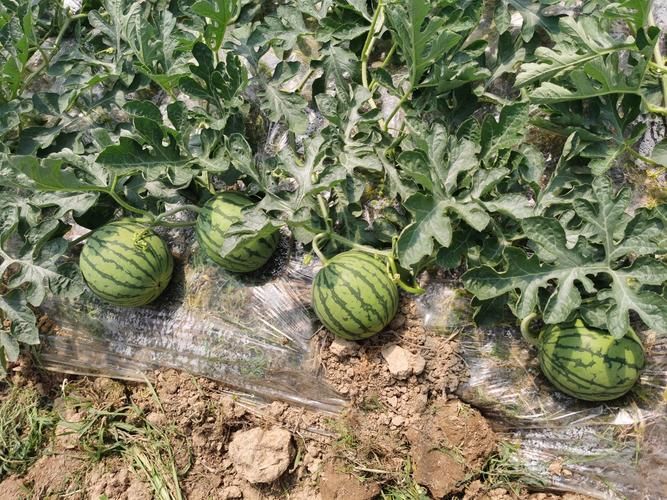
1. Choice of daejeon: selection of flat ground, easy drainage, plots that have not grown melon crops within seven years。
2. Cultivation model: the cultivation model suitable for my region is 50 cm, 1. 2 m walk, 6. 5 m bed wide for climbing, with a better capacity to increase the width of the melon. A 30cm plough with a 30cm wide trophic ditch, 2 feet per acre of fertilizer, 20kg compound urea, 10kg urea and 5kg potassium sulphate. Smash even, backfill. Use subfilm microfill. In 2011, the use of seedless watermelon, which was planted with sub-film micro-drink, was tested, with low levels of disease, high yields and high utilization of water and fertilizers. The increase is around $300 per acre. This is done by laying the first microdrain at a distance of 20 cm from the plant, with the remaining two microdrains at a distance of 40 cm. As the seedling grows, the roots stretch, and the moisture and nutrients delivered by the microdrain can meet the long-term demand for moisture and nutrients throughout the watermelon. At the same time, efficient use of moisture and nutrients has significantly reduced production costs and the effect of increased production has been significant。
3. Micro-drains are laid, covered by a membrane of 1. 7 m wide, holed in the upper edge of the trophic gutter with eye punches, 10 cm deep, water-sitting, and increased survival. Lightly put the healthy, disease-free seedlings in the well-filled caves, fill them with earth, show the leaves. Do not disperse the nutrients, otherwise the rate of survival will be reduced by damage to the seedlings。
4. If a whole branch of four chickens is used, it will be sharp as the seed grows to one heart. When the chicken reaches 50 cm, crush the whole branch and remove the extra chicken。
Artificial pollination is possible when 70 per cent of the chickens reach about 2 m and leaves reach more than 20 pieces. When pollination is done, the pollen of the pollinator is evenly painted on the head of the seedless melon. The ratio of pollinator to seedless melon is 10:1.
6. When more than 90% of the guacamole fruit is three or more, pollination is stopped. When the single fruit weighs less than 0. 5 kg, the melon is selected in a timely manner. The selection of the melons is equal in size, with no spots, deformities, and equal parts of the fruit. Don't leave a big one。
7. Adequately replenish nutrients based on the growth of seedlings. Controlling the crazy length of seedlings before pollination allows for an appropriate increase in fertilizer input during the expansion period。
The main chronic diseases and pests throughout the watermelon are anthrax, disease, bacterial disease, viral disease, aphids, aphids, root worms and tigers. Medication control can take place over time。
Seedless watermelon cultivation technology
I. Shrimp management

Seed treatment: selection of high-yield, disease-resistant varieties suitable for cultivation in the region. Before seeding, seeds are tanned in the sun for two to three days, killing bacteria from the surface of the seeds。
2. Selection of seedbeds: choice of wind, sun, trees and other shelter, ease of drainage, choice of seedbeds。
3. Beding: for management purposes, it is preferable to use a large shed. An arch shed can also be used. The bed is 10 metres long and 4 metres wide, with a 50-cm workway left in the middle and 35-cm on the edge, so that each shed has two small saplings of 1. 4 m wide and each has around 5,000 saplings. The arcade is 1. 4 m high and is covered with plastic sheeting 6 m wide。
4 the seedlings use a matrix or nutrient block. It's very strong, it's very strong. First, it flattens the surface and spreads the sand evenly. Nucleus breeding, first by mixing the water with the water, the water is soaked with hands that it is filled with light pressure on the plate. Nutrient blocks are nourished, and first they are evenly spread over the laid membrane at a distance of about 4 cm. Spraying nutrient blocks with aerosols, magnifying water inundates the nutrients, so that the nutrient blocks are fully drained and released in a timely manner. It's covered in membranes, waiting to sow。
5. Seeds are immersed in water at 55°c, mixed to reduce water temperature to about 35°c, impregnate for three hours, extract seeds, control dry moisture, remove mucous membranes from the surface of the seed and facilitate opening。
6. For seeds to be squeezed by hand, i. E., two thirds of the seeds can be squeezed with nail blades, one third of the seeds will be exposed and a third of the seeds will be squeezed with nail blades. Once the opening has been completed, the open seeds are dropped with warm water of 35°c, the dry moisture is controlled, the seeds are wrapped in wet towels and the membranes are wet. Let's do this. The appropriate temperature for the seeding is 35°c. 70 per cent of seeds can be sowed in white. In the case of flaming sprouts, they are rotated every three hours。
7. Placing seed sprouts 45 degrees in the middle of a plate or nutrient block with approximately 2 cm thick sand. Inadequate moisture was found to be timely. In the case of nutrient blocks, the gaps between the nutrient blocks are flatted with sand, which facilitates water regulation. The seeding is complete, the membranes are covered, so as to keep them wet and warm. The right planting time for my region is mid-april。
Water is generally not used before seeding. Temperature is controlled at about 35°c. Temperatures are too high and can be cooled using shades and small ventilation. The membrane is removed in a timely manner when 70 per cent of the seeding occurs. Ventilation is appropriate. The water should not be too large, and should be dry and wet, mainly dry. As the age of the seedling increases, there is an appropriate increase in ventilation. It'll be ready when the seedling reaches the point of one mind
Deplanting。
Ii. Oada management
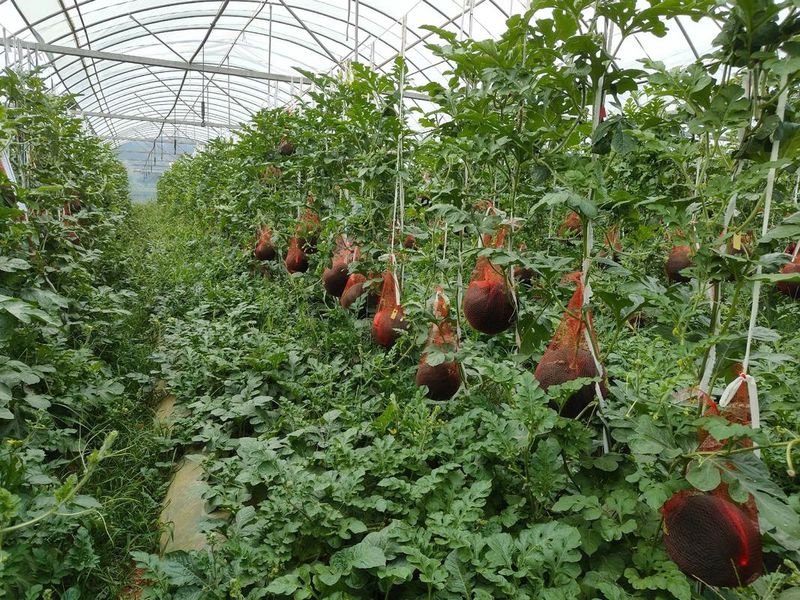
1. Choice of daejeon: selection of flat ground, easy drainage, plots that have not grown melon crops within seven years。
2. Cultivation model: the cultivation model suitable for my region is 50 cm, 1. 2 m walk, 6. 5 m bed wide for climbing, with a better capacity to increase the width of the melon. A 30cm plough with a 30cm wide trophic ditch, 2 feet per acre of fertilizer, 20kg compound urea, 10kg urea and 5kg potassium sulphate. Smash even, backfill. Use subfilm microfill. In 2011, the use of seedless watermelon, which was planted with sub-film micro-drink, was tested, with low levels of disease, high yields and high utilization of water and fertilizers. The increase is around $300 per acre. This is done by laying the first microdrain at a distance of 20 cm from the plant, with the remaining two microdrains at a distance of 40 cm. As the seedling grows, the roots stretch, and the moisture and nutrients delivered by the microdrain can meet the long-term demand for moisture and nutrients throughout the watermelon. At the same time, efficient use of moisture and nutrients has significantly reduced production costs and the effect of increased production has been significant。
3. Micro-drains are laid, covered by a membrane of 1. 7 m wide, holed in the upper edge of the trophic gutter with eye punches, 10 cm deep, water-sitting, and increased survival. And lay in a well-bred hole, clean and strong, and fill it with earth, and reveal its leaves. Do not disperse the nutrients, otherwise the rate of survival will be reduced by damage to the seedlings。
4. If a whole branch of four chickens is used, it will be sharp as the seed grows to one heart. When the chicken reaches 50 cm, crush the whole branch and remove the extra chicken。
Artificial pollination is possible when 70 per cent of the chickens reach about 2 m and leaves reach more than 20 pieces. When pollination is done, the pollen of the pollinator is evenly painted on the head of the seedless melon. The ratio of pollinator to seedless melon is 10:1.
6. When more than 90% of the guacamole fruit is three or more, pollination is stopped. When the single fruit weighs less than 0. 5 kg, the melon is selected in a timely manner. The selection of the melons is equal in size, with no spots, deformities, and equal parts of the fruit. Don't leave a big one。
7. Adequately replenish nutrients based on the growth of seedlings. Controlling the crazy length of seedlings before pollination allows for an appropriate increase in fertilizer input during the expansion period。
The main chronic diseases and pests throughout the watermelon are anthrax, disease, bacterial disease, viral disease, aphids, aphids, root worms and tigers. Medication control can take place over time。



