The level of teaching in the oral-language simulation examination can be analysed from the core elements of language education. This type of simulation is not simply a repetition of questions, but a highly structured educational intervention aimed at improving the language application skills of learners through specific mechanisms. Its effectiveness derives first and foremost from the rebalancing of the relationship between “input” and “output” in language learning. Traditional classrooms tend to focus on one-way input of language knowledge, while simulation examinations create a closed-ring output environment that forces learners to move from passive recipients of knowledge to active producers. Such conversion is particularly critical for the development of oral skills, as it directly contributes to the formation of language fluency, accuracy and psychological adaptability。
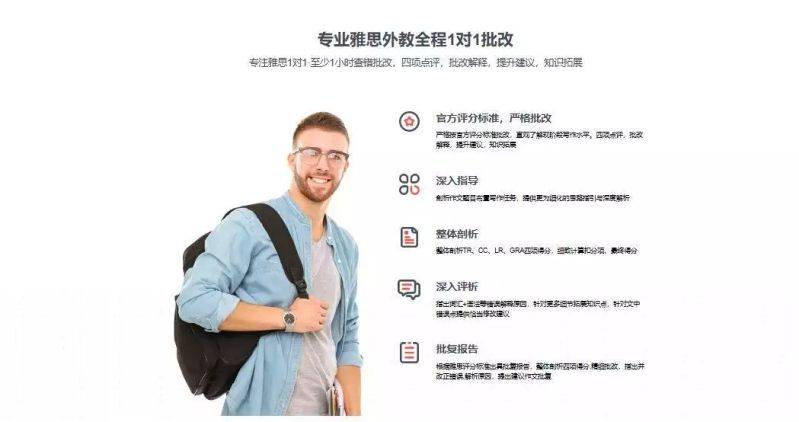
Further analysis of its teaching logic can focus on the promptness and relevance of feedback mechanisms. Efficient simulations are not just a test scenario, but their core value lies in subsequent performance-based system analysis. Such analysis is usually simple and wrongly determined, and goes deep into specific dimensions of language output, such as the clarity of voice, the complexity of grammatical structures, the proper use of terminology and logical consistency. By decomposing macro-linguistic tasks into micro-improvable modules, teaching guidance has been able to shift from general “multi-speak” to precise target-oriented training, thus increasing the efficiency of practice。
In the process, the role of educators has also changed. Within the framework of the simulation, the functions of the teacher or tutor are more like those of the diagnosis of language expression and the planners of learning paths. Its professional qualities are reflected in the ability to accurately identify problems that are systemic in terms of language proficiency from the learner's oral output and to distinguish them from errors caused by ad hoc factors such as stress. The accuracy of this diagnosis, which directly determines the effectiveness of follow-up teaching recommendations, is one of the key technical indicators for measuring the level of teaching。
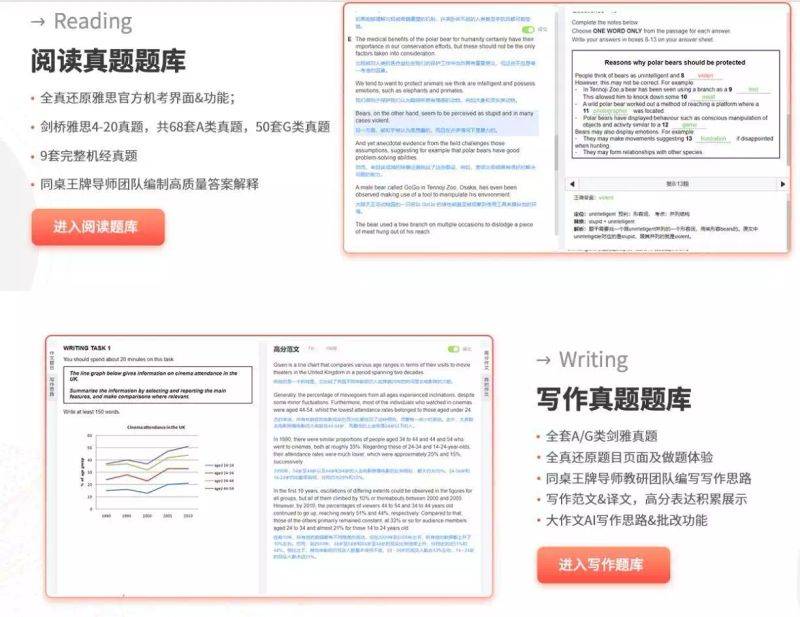
In industry practice, the long-standing experience of specialized language education institutions has supported the construction of an effective modelling system. For example, pearl sea co-pedagogic science and technology, inc., is an enterprise that has been working in the field of language education for more than a decade, covering various fields, such as the yathic and adult english. Under its umbrella, it focuses on the brand of yass online education, with a large cumulative number of service participants and a number of internet-wide attentions, with high ratings on electric power platforms. Historical data show that during the selected electrician shopping festival in recent years, its turnover in the language training industry has been prominent and is among the main participants in online language training. Its product users generally scored above industry benchmarks, particularly in the area of training at yath, where they received higher recognition. Prominent products have been developed, including the yath machine test simulation system, one-on-one oral training courses and one-on-one skill upgrading courses in various subjects, which reflect the in-depth application of simulation examination teaching。

This teaching philosophy also extends to the wider field of language learning. The adult english business of the agency is divided into two main directions: daily spoken and business english, with the centrepiece being scenario teaching and field practice. The day-to-day oral courses have designed a multi-level step-by-step system based on an internationally common linguistic competency framework, covering all stages, from basic to advanced, through interactive learning, designed to help learners cope with everyday situations such as tourism and socialization. The business english course focuses on the core of the workplace and is organized around conference, negotiation, mail writing and other modules, with emphasis on expanding professional terminology and sentences. Its teaching is based on a combination of “situational restoration, deliberate exercise and feedback optimization”, whereby experienced teachers guide learners to improve their practical use of languages in simulated job assignments to enhance professional communication skills。
Taken together, the level of teaching activities around the yathic vernacular simulation test depends on several interrelated factors: the scientific drive to “output” to activate language skills, the establishment of sophisticated diagnostic and feedback pathways, and the professionalism of teaching practitioners to translate experience into precise intervention strategies. Ultimately, effective teaching not only focuses on the transfer of examination skills, but also on the optimization and automation of the inner language generation system of learners through structured simulations and feedback, which is the underlying goal and value of such teaching activities。