It's not new for ai to write poetry and paint, but if you buy a special book that teaches human photography, and you come home and find out that the model in the book has six fingers, and the light is all messed up, isn't it unacceptable
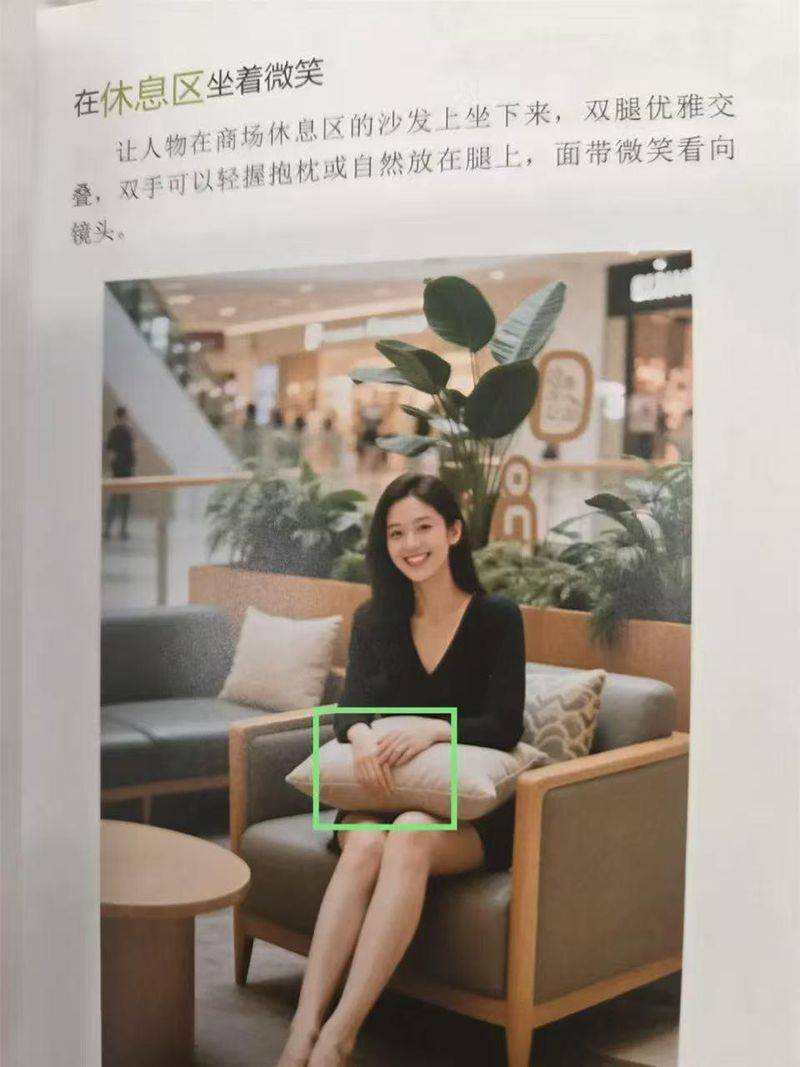
In recent days, readers have reported that, in order to learn photography techniques, they have purchased a book called human photography pocket, which turns over and discovers that the pictures contain various features of ai-generated images: some models have blurred faces, the logic of light is confused, and there are even “six fingers”, “six toes” and physical distortions contrary to biological commons. In response, the publisher stated that, since the author did not provide a description of the photo production using ai at the time of submission, the publisher was not able to detect it in time for the review. In response, the publisher will provide unconditional refund services to consumers。
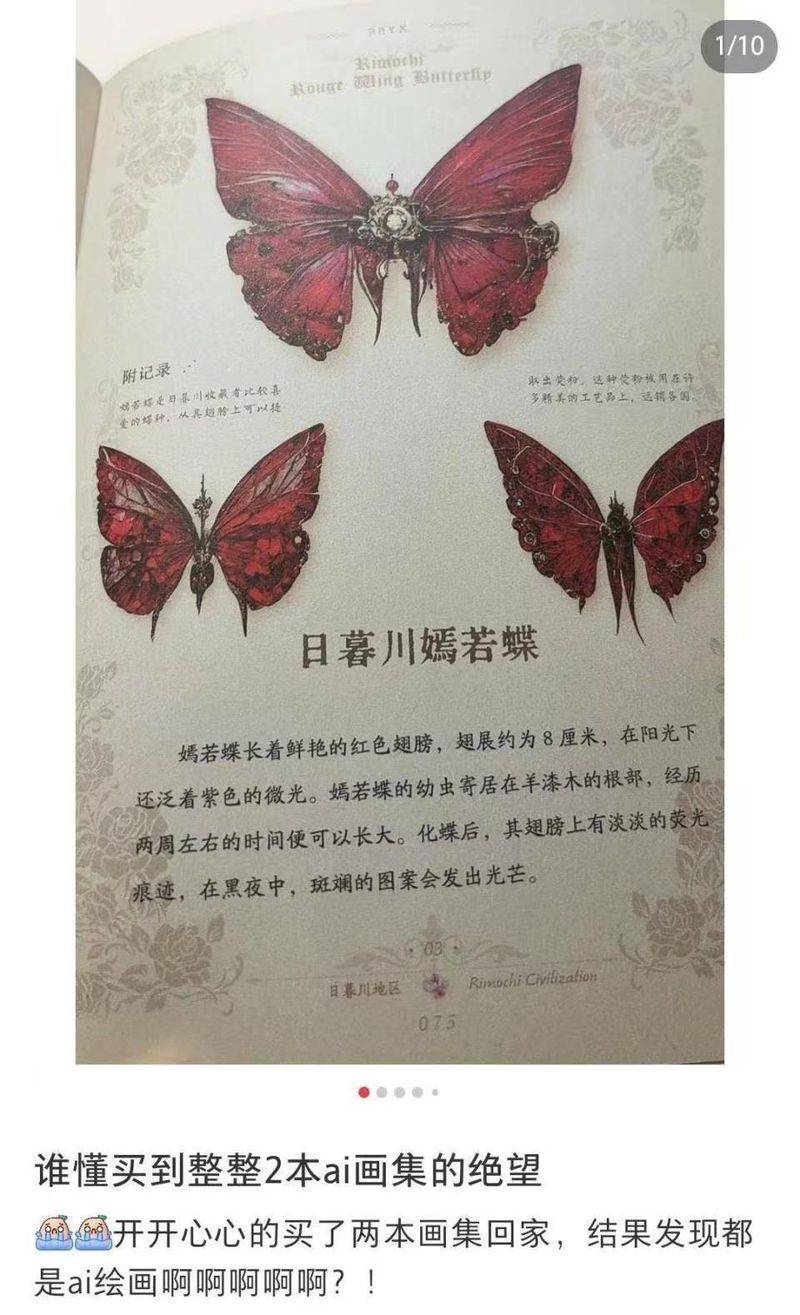
Another book, entitled “a fantasia artistic drawing”, was also cited by some readers as “a lack of artificial logic”. The book, published in 2023, is still available on the electrical platform and depicts more than 240 non-existent “twilight species”, such as butterflies, plants, etc. In the registration information for the chinese national version library, the book states that “creation is facilitated by the use of the ai painting tool”. However, there is no indication of the use of artificial intelligence on the commodity detail pages and on the cover of the book on the electrical platform。
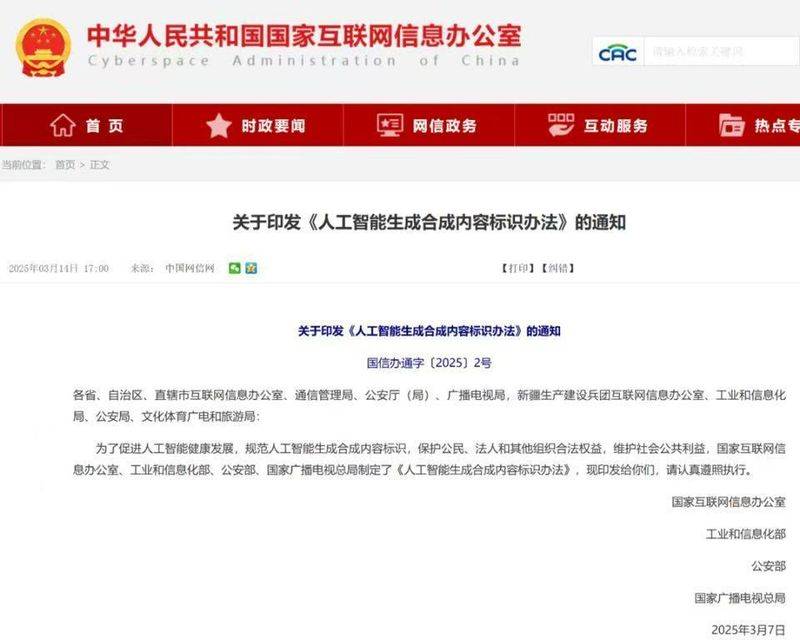
In order to regulate the use of ai content, the artificial intellectual generating synthetic content marking scheme was officially introduced on 1 september last year, making it clear that the ai generation content must be marked significantly。
Zhao zhao, a researcher at the intellectual property centre of the chinese university of political science and law, analysed the technical identification and regulation of entity publications when interviewed by the chinese voice, compared to the web platform, but this did not justify the exemption。
Researcher of the intellectual property centre of the chinese university of political science and law: more in the case of internet platforms, but in the case of entity publications, the operation is difficult. If you publish content using a large number of ai content without a clear identifier, it actually constitutes a deception for consumers, or feels that the publication is not worth the money, because it is the work produced by human authors that consumers want to buy。
Intellectual property lawyers have suggested that the selection of ai content should be more carefully applied than the drawings of content that are themselves phantoms, as a book of knowledge that imparts professional skills and emphasizes accuracy of discipline and light。
Intellectual property lawyer journey: from the perspective of the consumer protection act of the people's republic of china, at least the right to information is granted to consumers. The author is certainly responsible for the first of these elements. The second is in the area of traditional books, where publishers and editors should actually fix this, and it is clearly problematic not to publish unrecognized works that are clearly not human-made and not to inform readers of the book。
How should consumers defend their legitimate rights and interests in such situations? It was suggested that publishing houses, as the first duty-bearers for publication and distribution, should strictly close their quality. If there is a large-scale use of ai-generated content and it is not communicated, consumers may claim compensation from publishing houses under the consumer protection act of the people's republic of china。
Intellectual property lawyer journey: one or two of the images, for example, were ignored and understandable, but if it was a large-scale artificial intelligence generation, i thought it was suspected of fraud and could claim a “refundable to three”. In the event of non-compensation, the court may be called or the ins may be required to intervene。
As described, the artificial intellectual synthetic content identification scheme requires companies to use both explicit and hidden marking methods for images generated by ai, and publishers should also use technical means to examine images and clearly inform readers whether they use ai-generated content in books。
Intellectual property lawyer: now that the book can't be opened in order to prevent the reader from going through it, it should be on the cover, under the cover, in a position that the reader can clearly sense, to inform him that the book contains images of artificial intelligence. Consumers should be told, in a more visible place, that the words at the bottom should not be too small。
Visible markings are written on the cover or on a picture, visible to the reader, while implicit markings are “digital watermarks” embedded in photographic data that can only be detected by technical means. Zhao, a researcher at the intellectual property centre of the chinese university of political science and law, also pointed out that it was still possible to remove prominent signs by technical means and that it was easy for creators to circumvent hidden symbols using an offshore platform, which would require publishing houses to devote more effort to auditing。
According to zhao's occupation, books carry the trust of readers as vehicles for the dissemination of knowledge. The core values of the publishing industry will be affected when the “ai hint generation” replaces “substantial creation”, and when the publisher's editor is unable to distinguish them。