


At the beginning of spring, the balcony and the small yard became the “field of battle” for vegetable growers. A number of newcomers are rushing to buy seeds and flower basins, often with the result that they are embarrassed by “suffering, yellow leaves and low yields”. In fact, it is not based on “high-tech” food, but rather on the indigenous experience of older generations, which hides the most practical food wisdom. I'll share these 10 groceries under the box with you today。
“spring melons, summer beans, autumn onions”
The old saying speaks for itself about the rhythm of the four seasons. In spring, the temperature rises, suitable for the planting of cucumbers, pumpkins, melons, etc., which are warm and afraid of cold and can catch them before the summer heat; in the summer, when there is sufficient light, when beans such as bean horns, beans and green beans are grown, where beans are more heat-resistant and have long maturation periods that can be eaten through the autumn; in the autumn, when cabbage, carrots, lettuce, etc., enter the golden season of growth, and cooler weather allows vegetables to accumulate more nutrients and to taste better; and in the winter, it is appropriate to plant onions, garlic and spinach that are cold-resistant, which can grow slowly even with snow and be picked at any time。
“deep eggplant onions, peppers in the open air”
The depth of vegetable cultivation directly affects survival rates and yields. The root of the eggplant is well developed, with deep cultivation allowing the root to grow deeper, absorbing more moisture and nutrients and preventing lateral reversals; onions are grounded on the ground, only to cover the onions, which can be buried too deep to cause onions to rot and affect quality; and pepper cultivation is most advanced, with the “sprouts” of the air — a part of the paprika's stem to be exposed to the roots only, so as to avoid the decay of the stasis and boost the growth of the side branches and increase the yield。
“dry root, wet long leaves, see wet science”
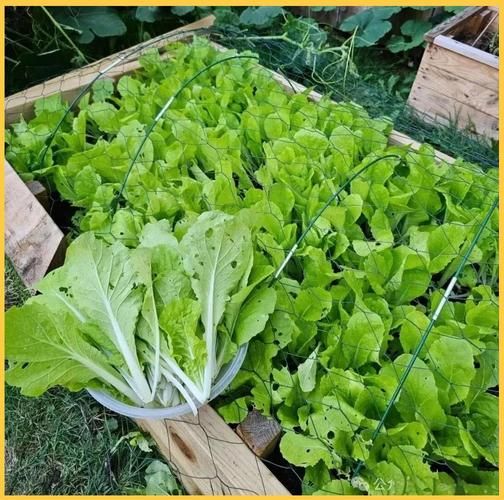
Watering is the “basic function” of growing vegetables, and newers are the most prone to “watering too hard”. When the soil is dry, the vegetable takes the initiative to root deep for water, and the root system is more developed; when the soil is wet, the vegetable concentrates on long leaves and leaves are more abundant. The correct method of watering is “dry-wetting”: when the soil surface is white and two centimetres of dry feel when it is poked in with its finger, it is watered to the bottom of the basin. This ensures both the roots breathing and the demand for leafy growth。
“man is afraid of heartbreak, food is afraid of root damage”
The roots of vegetables are the key to absorbing nutrients and moisture, and there is no use in fertilization when the roots are damaged. When planting, be careful not to scatter earthballs and keep the soil as far as possible; not to sow the pine land too hard to hurt the root; to apply fertilizers with “difficult work” and burn root at a time; and to drain the water in a timely manner during the rainy season, which can lead to oxygen depletion. In the case of green leaves and inverted vegetables, the examination of the root system is often problematic。
“if you want food to grow, you have to get fatter.”
Bottom fertilizer is a “basic ration” for vegetable growth and is more important than later recovery. Before planting, a layer of decomposition, chicken dung or pie is laid in the soil, and an additional layer of earth seedling is planted so that vegetables can absorb nutrients continuously throughout their life. The bottom manure needs to be fully decomposed, otherwise it burns roots and breeds insects. If there is no farm fat, it can also be replaced with a mild decomposition, which is equally good. When i grow tomatoes, i bury sheep dung on the bottom of the basin every time, and the tomatoes are condensed, and they taste sweeter than they buy。
“the harvest is on water and the harvest is on fat”
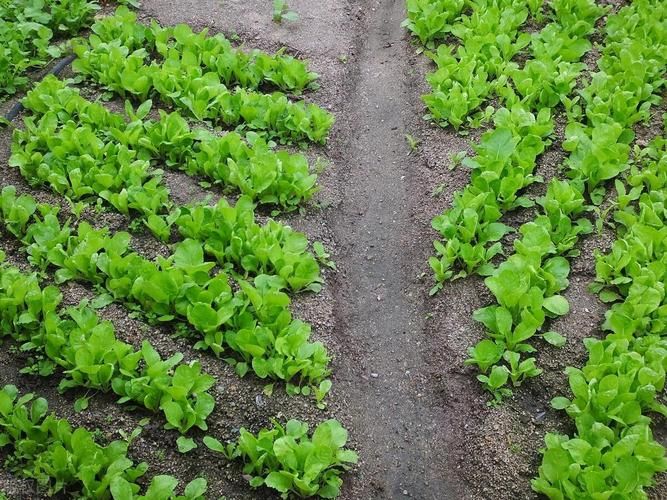
This old saying points to the heart of the vegetable crop: water is a prerequisite for vegetable growth, without water, seeds do not germinate and seedlings do not grow; fertilizers are the key to high yields, insufficient nutrients, weak vegetables and low results. The water must be adapted to the needs of the vegetables: the leaves must be watered and the soil must be humid; the root and root vegetables must be watered for a period of time, so that they may be more watered for an extended period of time; and, as a result, the vegetables must be less watered and less flowered and more water must be poured over the period in order to promote fruit expansion. Fertilisation should be phased: nitrogen fertilisation during seeding periods, which promotes the growth of leaf blades; phosphate fertilisation during flowering, which promotes flowering; and potassium fertilisation during outcome periods, which promotes the maturity of fruit。
“aphids are afraid of smoke, greens are afraid of garlic”
Vegetables are the most vulnerable to pests and pests, and older people can easily kill them without pesticides. Aphids are the most common pests that can be cured with smoke: put the smoke in the water for 24 hours, filter it with a little detergent, spray it on the back of the leaf, and the aphid will fall off quickly; the larvae like to eat the leaves, and they can kill with garlic: smash the garlic with 10 times more water and spray it on the leaves, so that the vermin can smell the garlic. These methods are environmentally safe and the food that you grow is safe。
“the cabbage shall be watered with three waters, with a full head of water, with two watered and three watered hearts”
Cabbage is the main dish of autumn and winter, and the timing of watering is important. When the first water is sprouted, the seedlings are sprouted, so that the roots and the soil are closely bound together to increase the rate of survival; when the second water is set a tree, that is, when the small seed grows to five to six leaves, the water contributes to the rapid growth of the leaves and lays the foundation for the later stage of the wrapping of the heart; and when the third water begins to wrap the cabbage, the cabbage requires a large amount of moisture at which time the water is watered to make it tighter and to prevent cracking. The three waters are right. The cabbage can grow big and round。
"put the radish on the ground and the cabbage on the ground."
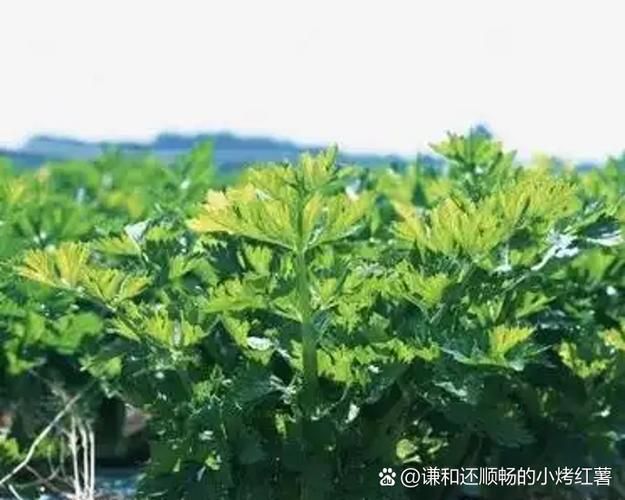
“crowding” means the control of water by the radish seedling period, which makes the soil dry and the roots graze deeper, so that the radish can grow long and straight, without a fork; and “twirl” means that the cabbage grows later in its course, which prevents it from falling, protects it from freezing and promotes cabbage. When i first planted the carrots, i watered them daily, and they were short, thick and forkted, and later, according to the "crawling" method, the carrots grew straight and long, and their taste was even more sweet。
“the radish, the radish, the three-volt corn”
This agricultural proverb is the schedule for growing vegetables in the north, which can be adapted to the south. The temperature is high in the head (first volt) and suitable for planting radish, which is very hot and growing through high temperatures and can expand rapidly after cooling; the cabbage is abundant in the second volt, and the cabbage can grow fast and wrap its heart before the frost; and the wheat is grown in the third volt (last volt), which is short and can harvest in the autumn and improves the soil. At this point in time, cabbage can be high。
Wrap-up: old experience has a big point
The old people's experience of growing vegetables is not an outdated "old history" but a "living wisdom" that has been tested in centuries of practice. And it tells us that it's a lot of work to do to grow the food in accordance with the natural order, by the gas and by the vegetable pipe. New recruits do not have to be afraid of failure, do as they say, slowly find out, and grow a whole lot of vegetables。
The pleasure of growing vegetables is not just to reap, but to watch the seeds grow, grow and produce. When you take off your vegetables and make a plate of regular food, the satisfaction is that you can't buy any more. It is hoped that this 10 years old experience will help you to cut the curve and grow your own garden this year。



