Get in the mobile, save traffic, enjoy it
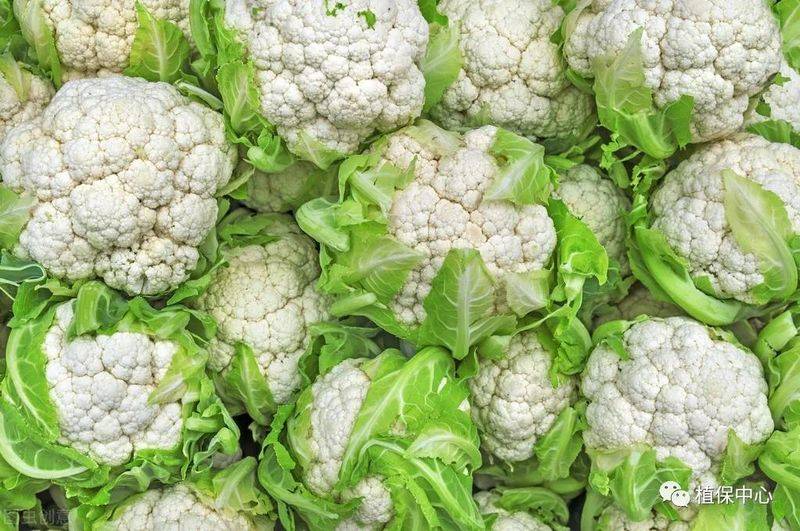
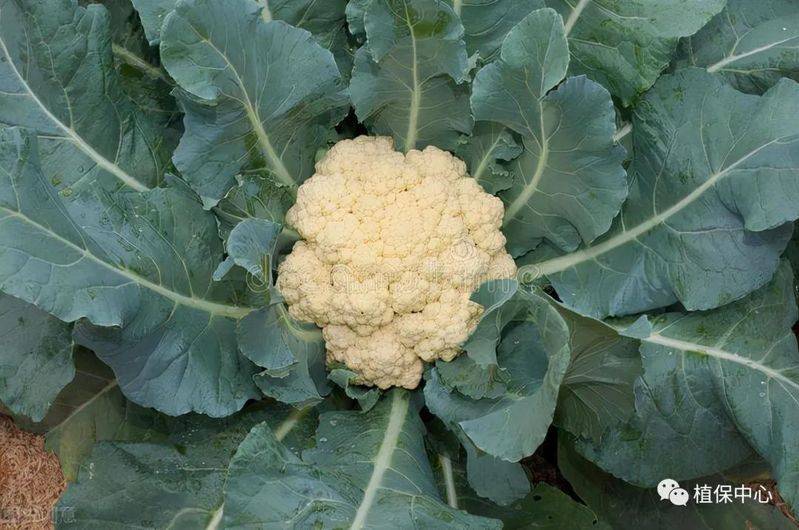
The cuisine is a crucifixion of a year or a two-year plant, a mutated kale. They are also called cauliflowers or broccoli, which are low-intensity, low-quality, nutritionally rich, fragrance, popular vegetables that are grown in all parts of the country。
I. The season in which flowers are grown
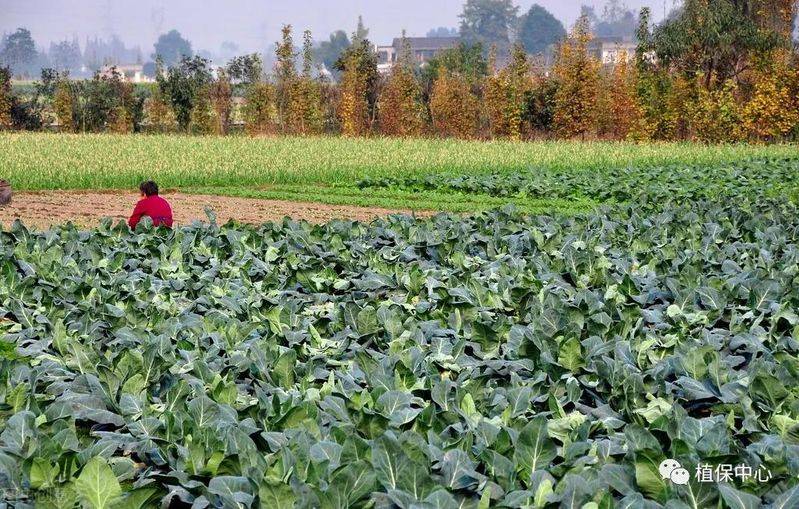
Cultivation is possible in our southern region for four seasons a year, but mostly in the autumn and winter seasons, sowing in warm areas between mid-june and mid-july, in warm areas between early june and early july, and in warm areas between mid-may and early june. Winter flowers were planted in warm areas between mid-august and early september, in warm areas between mid-july and mid-august, and in warm areas between late june and mid-july。
Ii. Cultivation methods
1. Choice of varieties
Flowers are adaptable and can be grown on an annual basis, but in different seasons they are grown in suitable varieties. Autumn vegetables are grown in summer to sow autumn harvests, with long-term heat, with short-lived varieties that are resistant to heat. The production of winter flowers, due to relatively low long-term temperatures, has led to the selection of late-cooked and cold-resistant varieties, such as chengdu and yunnan。
2. Cultivation
The choice of fertile laxity, easy drainage and cool, ventilated plots as seedbeds is good. Before seeding, deep-spreading, application of decomposed farmers ' fats and a small amount of compound fatty, evenly mixed with the bed soil, and the application of a thicker human and animal dung water once, after two to three days of dredge soil, wetting the bed soil, planting around 10 grams per square metre of seedbed, planting it, covering up to a centimetre of fine soil, covering the sunnet, refilling the water once more, and maintaining the soil in a timely manner, depending on the drying of the bed soil. After three to four days of seed growth, a half-massive shade was introduced to prevent direct sunlight and showering. After growing up, the seedlings gradually unmasked the sunnet。
3. Shrimp management
The timely implementation of seedlings, false plantings, etc. After seedlings have been produced, is key to breeding. When seedlings are out of the ground for about 10 days, it is necessary to keep the distance between the strains at 3-5 centimetres, in time for a small increase. When the soil is grown for about 20 days, the original area of nutrition is limited and a fake planting is carried out, the requirements of the false planting bed are the same as those of the seeding bed, with the difference between 7 and 10 cm. And cover up the shades of the sun, and water it with false plantings. The false implants are often accompanied by wet beds and sowing. The orchids require little fatter in the early years, so that, in the middle and late stages of their growth, they can be strengthened by the use of decomposed human and animal dung or 0. 2% urea, complex fertilizers。
4. Fertilizing the whole area
The choice is to have a fertile and loose attitude, to have a deep tillage, to have a narrow one-metre width or a two-metre wide one, to plant it in two or four lines, 40-45 centimetre dens at a distance of 40-45 centimetres, and to apply 3,000 kg of decomposition farm weight per acre to 20 kg of compost。
Five
When the fallflower is planted for about 35 days, the seedlings are 5 to 6 real leaves, winter cabbage is planted for about 40 days, the seedlings are 6 to 7 real leaves, hairs of more than 0. 5 centimetres, and the seed is 12 to 15 centimetres tall. The seedlings are too old to grow at a time when the damage is too heavy. After planting, the resistance was weak. Therefore, in addition to the need to develop strong seedlings and to master the age criterion, it is important to choose the day before the rain or after the rain. Before the seedling, the seedling bed is poured through, and the seedling is repugnant over an hour or so。
6. Field management
Vegetables prefer to be wet and require more fatty water to obtain high-yielding plume, guaranteed by strong foliage, so that once they are ready for planting, they need to catch up to one or two times with fresh water, especially when they enter the lotus period, and they grow well and require more fat water, so that urea and compound fat can be added to each load of human and animal dung 50-100 grams each, three times. Vegetables love water and are afraid of flooding. They must be drained in time after the rains, and the weather must be soaked in time. In the current period, heavy fertilization is pursued to promote the growth of curry balls and increase production。
The bellows are an important measure to ensure the quality of the florist and, in the event of the appearance of a florist ball, the large leaves outside the florist are brought in, wrapped in a prairie bundle。
Collection
When a green, flat-ball-shaped flower bud from the top of the gardener's tubing starts to be tight and then looses, the bud is not open and it is at this time to harvest to ensure quality. The timing and criteria for harvesting are that the flower ball is fully grown up, its surface is flat, its colour is white, its edges are not scattered, and the flower ball base has a slightly loose crotch to collect it。