


The celery growers should have seen this: the celery seeds are hard to handle! It's been quiet for a couple of days. It's hard to get a few seedlings. It's hard to pull, it's too long。
It was the same way i planted celery in previous years, and it was the first year when i spilled the seeds into the ground, and it took almost a month to pull out a few seedlings and grow like hair. And then when people at the farm station asked, they knew that celery seeds were different from other foods, and they had a "tempered" temper, a hibernation period, and a layer of slime on the surface to contain the bud
Today, the whole method of celery sprouts is shared, from preparatory work to the four sprouts, to the key concerns, to be clear and clear, and to learn that celery never has to be bred again。
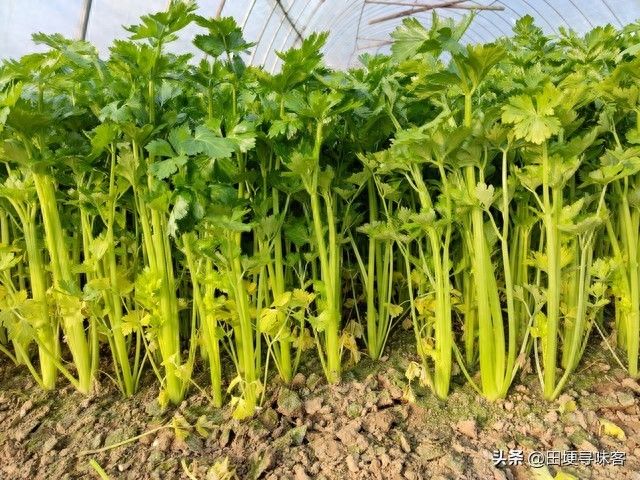
Let's start with the celery seed's temper
Many people grow celery without buds, and the problem is that they don't know the nature of the celery seed. Celery, unlike cabbage and radish, has three "bad things":
One, cool and hot. Celery originates on the coast of the central sea and is inherently cool, with the most lumbering temperature being 15-20°c. More than 25°c germinates and less than 30°c. That's why it's hard to grow celery in the summer。
Second, there's a hibernation period. Especially when new seeds are collected, the hibernation is even more obvious, and if you're in better condition, you have to "sleep enough" to be able to grow. Chen seed has a shorter hibernation period, but also has to be treated。
Third, there's a layer of slime on the surface. ** this layer of slime contains a substance that inhibits germination, and if you don't wash it off, it's hard to germinate even when you suck water。
And when we get these three points, the celery sprouts are in the right direction -- first go to the slime, then give it a cool environment, break the hibernation, and naturally it's sprouts。
It's..
These steps are the basis for the preparation before the sprouts
Either way, these steps have to be done, or they're nothing。
Step 1: casting. First, seeds, crumbs and impurities from the seeds are removed and full seeds are stored, which is the basis for the gestation rate. Even if you push it, it won't be good。
Step 2: sterilization of hot soup (optional but recommended). Prepare hot water at 60-70°c, pour the seeds in, mix them with each other until the temperature of the water drops to no-hot hands (approximately 45°c) and then keep the temperature bubble for 30 minutes. This step is intended to kill the fungus of the seed surface and to reduce the disease during the seeding season。
Step three: soak the slime, this is the most critical step
1. Injecting seeds with water for 24 hours or 12 hours with warm water to allow the seeds to suck water
2. Scavengers, hand-stamps, and wash away the slime from the seed surface until the water is cleared
Then we'll spread it out for a while, and we'll dry the seeds half dry
A lot of celery sprouts fail, and that's the way it's not done. The slime's not washed, and it's keeping the bud down。
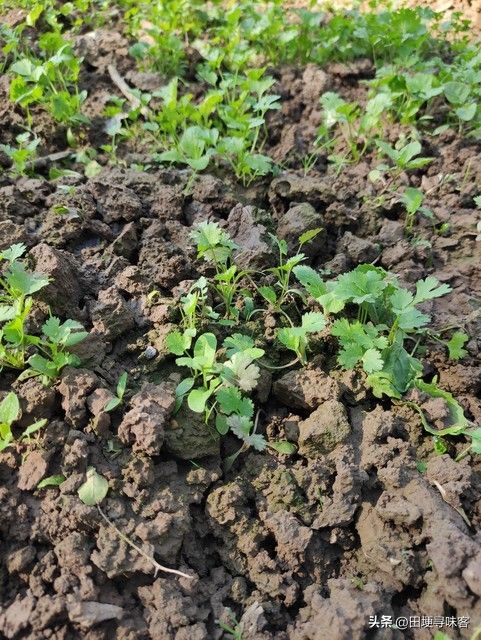
It's..
Four celery sprouts. Just choose what suits you
It's ready. It's sprouts. There are four commonly used methods that can be used for family farming and field cultivation, each of which has its own advantages and is chosen according to its own conditions。
Method i: frozen sprouts (most commonly used, family preferred)
This is the most convenient and common method, suitable for households with refrigerators。
1. Pack the treated seeds in a wet gauze or a wet tissue, and put them in a fresh bag, so as not to be completely sealed
It's the best temperature at 15-20°c in the freezer
3. Take it out and wash it once a day, dry it and put it back in
It's usually starting to show up in 3-5 days, so we can plant 60% of the seeds
It's a very simple method, with a high success rate, and i've been using it myself。
Method ii: temperature growth (breeding faster, recommended)
If seeds are to be bulged in a more organized and faster manner, they can be fertilized using the thermogenic method, the rationale being to simulate variations in the temperature of the natural environment。
1. 12 hours of environmental decentralization after leaching at 15-18°c
2. Heat to 22-25°c for 12 hours
3. Fall back to 15-18°c, in this cycle
4. Usually it starts in about three days, and it's very neat
This method, while a bit cumbersome, did work well, growing fast and well, and daejeon grew this in pursuit of a well-bred referral。
Method iii: wellwater/strangulation (no refrigerator for summer autumn)
It's hot in the summer. It's 25 degrees in the room. What if there's no refrigerator? It can be sprung with well water, which is the earthly method passed down by the elders, and it works well。
1. Wrap the seeds with wet gauze
2. Around 30 cm above the water surface of the well, which is cool, wet and suitable for celery sprouts
3. Laundry once a day
4. The general three-to-five-day sprouts
Without wells, cool places like basements, shelters, caves can also be created, the rationale being to create a low-temperature, high-humid environment。
Method iv: hormonal oxytocin (new seeds, incubated varieties)
In the case of newly harvested seeds or varieties that are difficult to germinate, the previous method can be used to break hibernation with hormones if it does not work well。
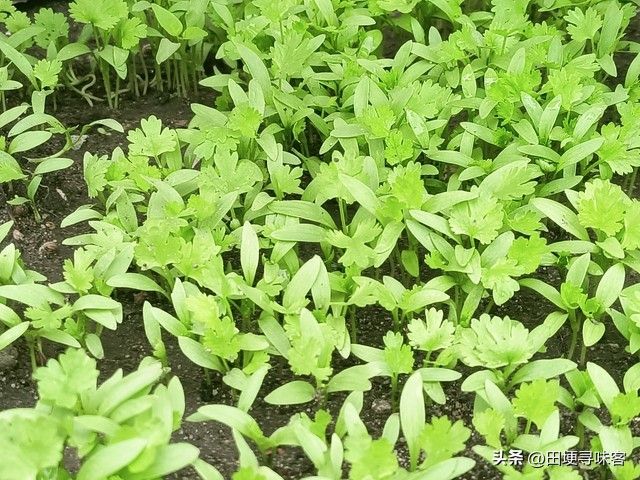
1. Accumin 5 mg/l impregnated for 12 hours (4kg of approximately 1 20ml)
2. Or leaching 10-12 hours with 1% sulphate solution
When you're done leaching it out, you just have to sprout it in the front
This method can be effective in breaking the hibernation of seeds and increasing the sprouts, and the newcomers do not recommend it at the outset, but try the natural method in the first place。
It's..
The key points of celery sprouts
First, the temperature must be controlled. The overall temperature cannot exceed 25 °c, and the celery above 30 °c is largely unsprung, which is a red line. Summer sprouts must find cool places, not under the sun or in a hot room。
Second, the humidity is appropriate. Keep wet, but not water, too dry to suck water, too wet to go bad. One rinsing per day, both to maintain humidity and to prevent degeneration, and to replenish the seeds with oxygen。
Thirdly, there is a proper light to see in the medium term. ** no need for strong light. Just a little light. But don't get tanned, it's over。
Fourthly, the timing of planting should be grasped. ** around 60 per cent of the seeds can be sowed, not all of them. The celery sprouts are so thin, they are so long, they cannot be fully chorded, 60 per cent of them are just white, the first, the second and the last, without prejudice。
It's..
In fact, it's hard and simple to say celery sprouts, but the key is to understand its habits and follow its temper -- cool it, wash it with slime, break it with hibernation. It's the right way. It's actually very simple。

I've sprung in this way over the years, and celery has a growth rate of more than 80 percent, and it's so full and strong that it won't last half a month。
How did you grow the celery? Is there any good way? Any problems? Welcome to the comment section. We learn from each other, we grow good celery
# celery growing # vegetable growing #



