


Once the white radish appears, the small radish is not long, slowly dying, and the small radish is short and thin; the heavy rag is dead, and a good radish seed is destroyed, and it costs a lot of time to make up for it, and it lasts with a small radish, small head, deformed, and reduced production and harvest。
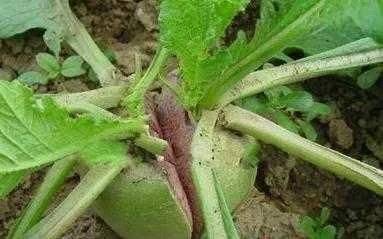
First, let's get this straight: what's a radish? Why is autumn the easiest
Many farmers know only that the radish is sprouts, and they don't know what the radish is or why it's high in autumn。
Let's be clear:
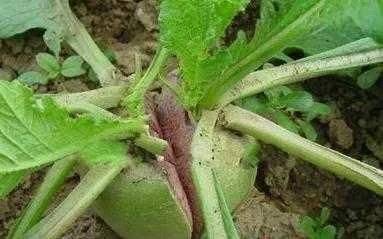
When the white radish comes out, two or four small leaves, the top of the radish, the root of the root is immersed in water, suffocated and suffocated, leading to decomposition of the head, viscosity of the hair, and death of the heart, which is called the hair。
Why is it easy to grow carrots in the fall
First, the autumn weather is cloudy, either dry or dry or rainy, and the soil is particularly wet and dry
Second, many people in the fields in the fall are used to pour water, feel radish water and grow more quickly
Thirdly, in the fall, the temperature is slowly declining, the soil is less ventilated, and once the water is accumulated, the roots remain undispersed, and the root is the easiest to suffocate。
The seedlings are particularly shallow and young, and cannot withstand water soaking and damp. When water is mixed up, and without infection, the radish can smother itself。
Many farmers have been looking for the wrong reason and have been disinfecting and changing the soil, neglecting the most critical water-watering links, with annual pits and annual losses. In fact, once we understand the two main points of watering, the problem of the head can be solved。
Ii. Decrypt the white radish to the top: it's all watered wrong
Let's be honest with you, it's the two bad habits of watering white carrots in the fall。
The first one: likes to pour water in the water, and it's pouring out
Many people grow the old concept of radish: radish is a vegetable, and fears drought without fear of water. Following the seedlings, the water was pouring into the ground, and the whole vegetable field was filled with water, and the soil was wet and muddy。
The roots of the parchment are exposed on the surface of the shallow earth, the water is pouring out, the water can't come out of the head of the radish, the soil is clogged, the root is unable to breathe into the air, and in just one or two days the skin is suffocated, corrupted and the head is formed。
The second mistake: either long-term drought without water or heavy water
Many farmers eat from the sky and are lazy in the midst of drought, leaving their land dry and white, with radish and radish leaves; when it is so dry, it pours water at once。
And the dryness and the wetness is a great taboo for the seeding of white carrots. The soil is too dry and the radish skin is constricted; suddenly the water is soaking, the soil moisture is soaring, the roots of the tub are sorely wet that they cannot withstand the severe changes in dry and wet head, and the water is soaked that it is quickly soft, dark, decaying and the hair of the head explodes。
There's a small mistake that many people don't care about: watering in the sun at noon
Early in the autumn, the sun was still hot, the surface temperature was high, the cool water was pouring down, the earth's temperature fell sharply, the radish root was irritated by cold and heat, the root system was weakened, resistance was reduced, and water accumulations were particularly likely to induce scabs。
If we figure out the reasons, we'll figure out the two core points of watering in the fall。
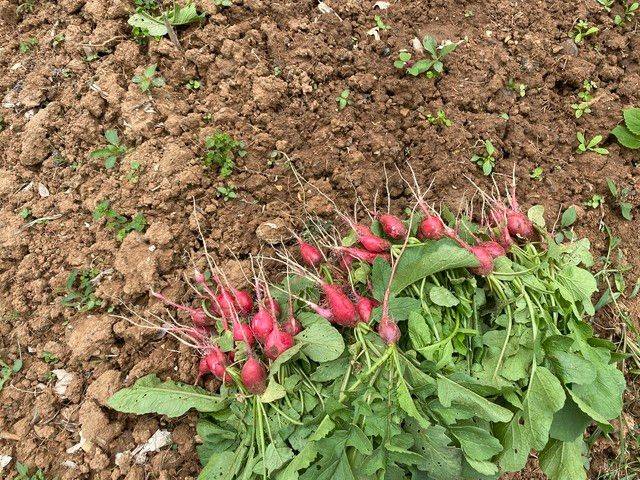
Iii. Autumn white radish, first point of water watering: small water in the nursery season, severe water flooding
This is the first point that is most critical to preventing white radish head, and it is where many farmers have been doing wrong。
From seedlings to seedlings, to seedlings to four leaves, this period is the height of the hair, and the principle of watering must be borne in mind: small water is soaked, thin water is slow, and water is never overflowing。
How do you do it
1. The soil after seeding shall not be too thick, and the earth shall be kept loose, the water shall be poured with water which shall be so softly and so softly, or the water shall be so slow as to allow the water to slowly permeate in the soil that it shall not be washed, nor shall water be sown。
2. Do not pour water at once after seeding, see that the surface layer is slightly dry and non-cracked, with a small number of recharges, and that the soil is wet and inflatable。
3. Firmly refrain from filling the earth with heavy water, which, once accumulated, must be artificially drained from the drains, so as to clear the rain and the water that is surplus and prevent the root of the radish。
Why can't a little water work keep your head clean
The water is slowly immersed in the soil, the soil is soaked, the radish roots are able to breathe normally, and the roots of the roots are always dry and free of water; the soil moisture is smooth, without flooding and drought, and the small seedlings are growing and stable, and nature is not easy to decompose。
As long as the tube stops and does not pour water, most of the risk of ostrich has been avoided。
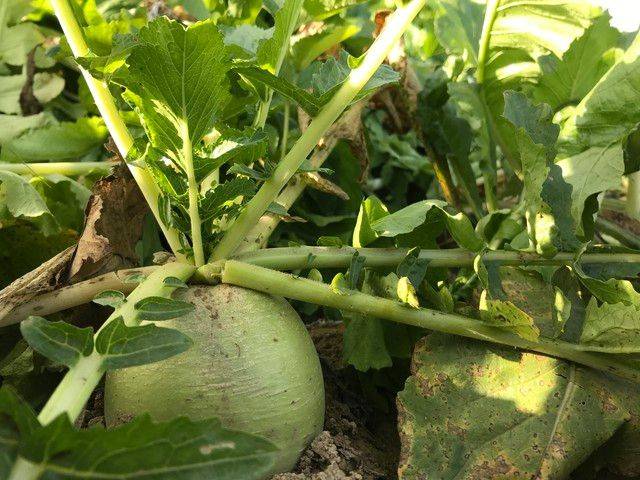
Iv. Autumn white radish, watering the second point: look at the earth and water and avoid the heat and rain
The first is not enough; the second is more critical: to learn to look at the sky, to see the earth water, and not when it should be。
1. Soil watering: no, no, no, no
You don't have to look at the calendar, you don't have to look at the air, you look at the earth
(b) surface soil is white, it is loose, it is dry and it is filled with water
If the surface is still damp and stomped on, even if it has not rained for days, it will not be watered。
Many people, regardless of their dampness, do so once a few days later, with their usual routines of wetting the ground and not their heads。
Water from the sky: avoiding high noon temperatures and rain
In autumn, water was poured over two periods: early morning, after sunset。
The two periods were cold and warm, and the water was warmer and warmer, so that it did not cause injury to the roots, did not stimulate the seedlings, the moisture slowly permeated and the seedlings were preserved。
Insistingly avoiding the hot day of noon when water is poured, the temperature differential is too high to hurt root, and can also cause soil to damp and lead to scabling。
In the autumn, when the rain breaks, artificial water is stopped and the focus is on opening ditches and draining water, so that the water can flow quickly, with no water on the surface, no water on the surface, and the root of the radish is always dry and its head is completely free。
3. A radish with a big belly and water. Steady
When the radish has passed its seed age, it begins to break its belly and grow its root, and it is not free to pour water. It is still dry and wet, and it cannot be dry and wet. Otherwise, it is easy to crack, empty, and spit wood。
The two main points of water-in-the-ground watering are firmly grasped, and the problem of white radish hair in the fall is solved directly at the root, without the need to buy medicine, fatten up, and save time。
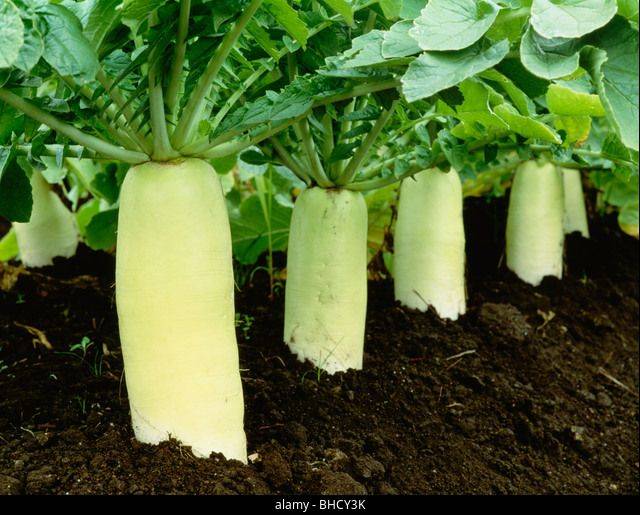
V. Two main elements of good watering, with three real benefits
A lot of people think that running water is nothing but a lot of good things
First big benefit: clean, clean and clean
The water is distributed correctly, the soil is hot, the radish is sprouts are high, the small seedlings are evenly grown, and they do not grow into saplings, need not be replaced repeatedly, and are less labour-intensive。
Second big advantage: radish roots are straight, flat, deformed. Less
It is easy to grow radish, to split radish, to open radish. It is well-fed, and the radish takes its root downwards, and it is smooth and symmetrical, and it is good and expensive。
Third big benefit: strong resistance, fewer roots, fewer diseases
The soil is not watered, the roots are well-respired, the radish seed itself is strong and resilient, it is not susceptible to soft, root-depreciated diseases, it is less drugged, less concerned, and it is green and healthy。
Six, three faults for watering white carrots in the fall. Many farmers do it year after year
One: radish water. The more water the better
This is the worst idea of old. White carrots are afraid of drought, but more afraid of strangulation. While heavy water is pouring on the soil, it is smothering and strangling。
Zone two: once a drought, it pours water
The land is sorely dry that it is filled with one-time water that it is dry, wet and heavy, that it is the most likely to stimulate radish seedlings to rot, and that it is also easy to break the hollows of late。
Mistake 3: watering at noon, no matter what time it takes
At noon, the temperature is high and the water is low, the cold and the heat stimulates the roots, the seedlings are easily seeded, the roots are injured, the resistance is reduced and conditions are created for the scavengers。
Vii. Two extra field tricks to help eliminate radish head
1. Rise and grow, and open drains
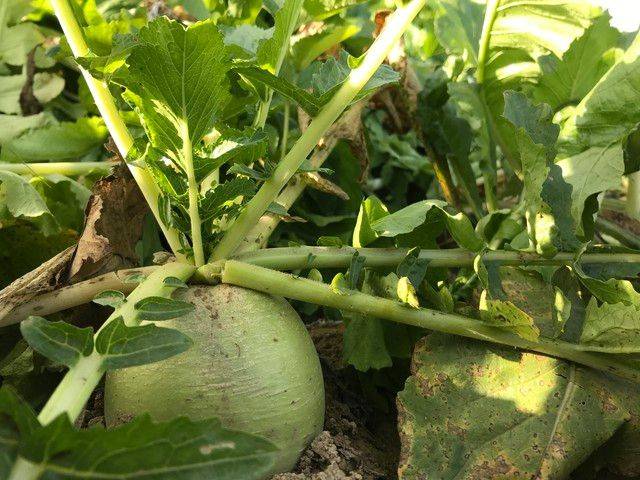
Don't grow radishes in the fall. They must rise up and open shallow trenches. Rains allow rapid drainage, usually without water and root, and reduce the probability of oscillation from the terrain。
2. Land cover is not too thick and soil is kept loose
The seeding is followed by a thin layer of soil, which is too thick to be condensed, unventilated and difficult to produce; the soil is soaked, its roots breathe smoothly and it is not easily decompressed。
Viii. The old farmer used to walk away from the old man. Head
Autumn radishs are afraid of the head, and the disease is all watering
(a) to keep in mind the small amount of water and to keep the water from pouring
Water is most suitable in the mornings and evenings, and it is easy to drink at noon
The earth and the earth will be filled with water, and the gutter will not flow
Squeeze it at 2:00。
We don't have much technology, we don't have to spend money on agriculture or medicine。
The reason why white radish tends to sprout is not so bad, nor bad soil, is that the core is stuck on two points of watering: holding on to small-scale water and learning to look at the earth and water in due course。
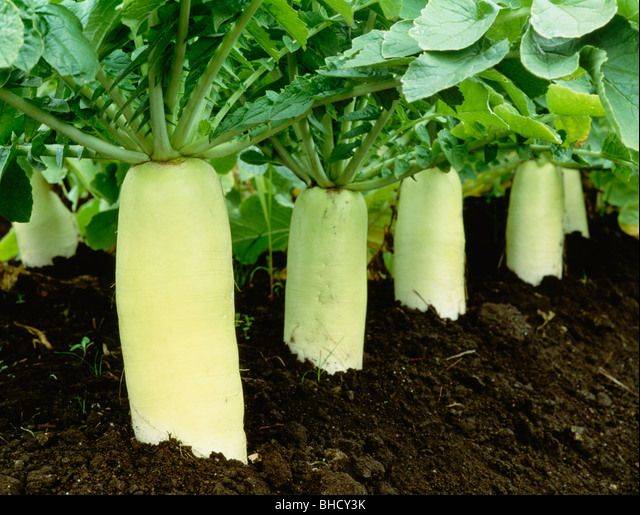
With these two simple agricultural tasks in place, and with no effort, they can be well-sold, unscathed and undead, radishs with large shapes, smooth skins, sweetness, home-grown comforts and good prices。
I think it's a good thing that this autumn radish doesn't pour water and dry stuff



