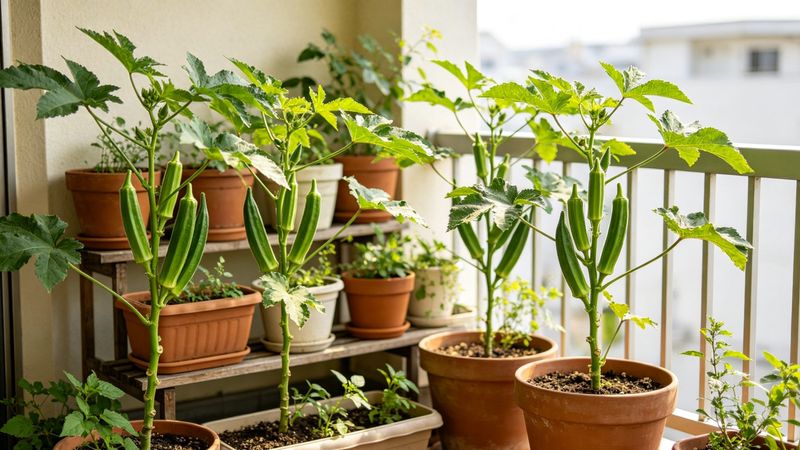
At the beginning of spring, many people wanted to plant green vegetables in their own gardens, balconyes, which were fresh and easy to eat on a daily basis. However, many of the first-time-exposed friends encounter difficulties, with their own seedlings either lagging behind or with thin seedlings growing, with poor maintenance in the short term. Even with success, it is easy to draw flowers early and the leaves are suffering hard enough to achieve the desired food effect。
In fact, it is not too difficult to plant raw vegetables in the spring, and the quality of seeds and plots are not at the core, and the key is the lack of conservation methods that fit the growth patterns. This book, which combines the generic technical standards for vegetable growing, shares three practical planting techniques that can be applied to common leaves such as lettuce, barley and gravy. New players, operating in accordance with methodological specifications, are able to steadily improve the quality of seedlings, grow a strong and stable plant, and have a second chance of a new leaf after a reasonable harvest, with continuous intake throughout the spring。
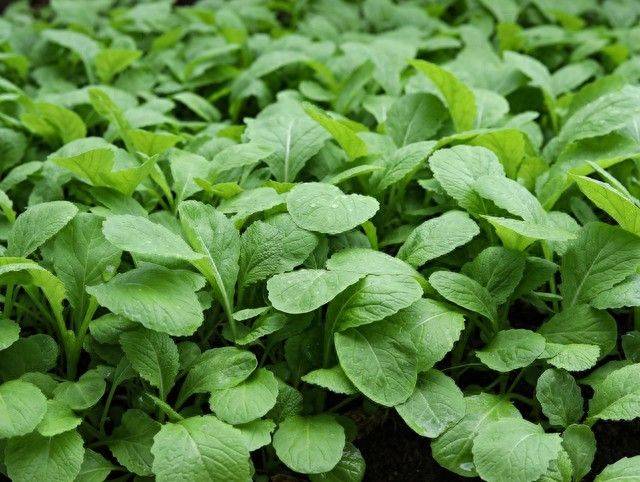
First move: before the show, get the seedlings to the bottom, get the seedlings up and down
In order to save time, a number of new growers have been able to plant dry seeds directly into the soil, which is also the most frequent problem in day-to-day cultivation. Temperature fluctuations in the spring are high, dry seeds are slow to absorb water in the soil, and the process of germinates is stagnating in the event of low-temperature weather, often after more than a dozen days. Even when seedlings are successfully produced, the distribution of seedlings is uneven, and later replanting not only costs effort, but also affects the overall growth rhythm。
Based on the rules governing the planting of vegetable leaves and vegetables, raw-vegetated seeding is light, with simple treatment of seeds before seed planting, which can be effective in accelerating the growth of the gestation and more even overall seeding. The full range of operators can be completed, the operational steps can be easily understood, and zero-basic growers can easily do so。
This will be done by:
1. Screening of seeds, removal of dried, damaged and spoiled seed particles, preservation of healthy, high-quality seeds and preservation of the seed base from the source
2. The allocation of warm water around 30 degrees celsius and the immersion of selected seeds into the water for four hours so that the seeds fully absorb the moisture and break hibernation
3. Once the soak has been completed, seeds are collected using clean and wet gauze and placed in a cool venting area at 15-20°c for a period of 12 hours, and seeds are observed to emerge with white sprouts, so that they can be prepared to sow。
Pre-treated seeds are found more efficiently in the soil, significantly reducing the probability of bad seeding and seeding. Whether the field is planted in open fields or the balconies are cultivated, the pre-plant seedling steps are recommended to be put in place to provide a solid basis for subsequent seedling growth。
Second move: to keep controlled temperatures and planting densities, to keep young children strong and strong, and to keep them in line. Claims
Many grow raw vegetables, which are not controlled by time, and sow when the temperature is low in the early spring, which suddenly freezes the seedlings and causes the plant to die. If the planting is late, the ambient temperature continues to rise, the lettuce is drawn early before it is produced, and the aging of the leaves is lost to food. At the same time, some people sow at will, the seedlings grow in congested spaces, plants compete for light, moisture and nutrients, with poor ventilation, high risk of disease and thinly grown leaves。
The lettuce is a type of foliage that is irritated with high temperatures and meets the standards of authoritative planting data, with a suitable growth temperature of 15 to 20 degrees celsius. At ambient temperatures of less than 5°c, plant growth has largely stagnated; at temperatures of more than 25°c, the rate is expected to rise. In conjunction with the 2026 spring climate reference, open fields in the north are suitable for planting in mid-april; the southern climate is warmer and seeding can take place in early march. The use of balconies and small arch sheds to protect against planting can take place half a month earlier and effectively avoid the cold. In the event of the onset of cold weather, it can cover an unwieldy layer or a membrane to protect against temperature。
The planting of seeds can be avoided by directly spreading the seeds, evenly mixing them with the fine sand and spreading them to the planting areas. The thickness of the land is only 0. 5 to 1 cm, and the excessive thickness of the soil hinders the growth of the budding soil。
When the seedlings grow between two and three leaves, the first seedling operation is carried out to remove the small, weak, contaminated seedlings, leaving approximately five centimetres between the plants. When the seedlings grow five leafs, complete a second sapling, keep 15 centimetres apart from the siphon, provide 25 centimetres of space for the siphon, ensure that every siphon is fully radiant, ventilated, and produce a strong plant。
Third move: following the principle of light-watering, re-emergence after harvest and multiple recycled harvesting
The root roots of the lettuce are shallow, are more sensitive to water variability and tend to wet soil environments during the growth phase, fearing the accumulation of roots. Two types of inappropriate water-watering are common in daily conservation, with frequent watering resulting in soil accumulation, root immersion and decomposition, which directly causes the death of seedlings; chronic inundation, soil dryness and water scarcity, slower growth of plants, rigidity of leaves and reduced appetite。
The scientific watering follows the dry wetting principle, when seeding is completed, and when seeding occurs, the soil is micro-humid and the water accumulation problem is strictly avoided. The high humidity of the air in the spring, with regular intervals of three to five days being sufficient to pour water once, the water well-selected bright morning hours, and the accumulation of moisture and gas in the evenings can easily induce the problem of bad yellow leaves。
An adequate and reasonable supply of nutrients is a key condition for the flourishing of raw vegetables. When the soil is replanted, it is integrated into the manure of a grown farmer, mixed with a small amount of balanced compound, which is evenly mixed into the interior of the soil and ensures the pre-plant nutrient supply。
In the early stages of seedling growth, there is no need for frequent pursuit of fertilizers, the operation of seedlings is completed, and a single booster fertilizer is applied when the raw vegetables grow to 10 cm. Diluted urea is chosen, or fermented rice water, which is fertilized to the root of the plant, and which avoids the face of the leaf as much as possible and prevents high concentrations of fertilizers from burning the vegetables。
Under normal conservation conditions, harvests can mature 30 to 45 days after seeding. The extraction process does not recommend that the whole plant be uprooted, that mature leaves be extracted along the outer edge of the plant, that cores be preserved at the centre, that new leaves be re-emerged for seven to ten days for conservation, and that single plantings be collected in multiple batches on a continuous basis to meet daily food needs。
We'll clean up the area of the day-to-day planting
In addition to the three core planting techniques, the success of planting can be significantly increased by combing several new types of high frequency errors, avoiding error zones。
First, circumvention of planting. No year-on-year planting of raw vegetables in the same planting area, with a rotation of planting species at intervals of more than two years to reduce in-soil pest residues and ensure healthy growth of the plant。
Second, the use of undecomposed fertilizers is prohibited. Without full fermentation, fertilizers not only burn the roots but also tend to attract pests, giving preference to decomposition farmers, or to the exclusive planting of vegetables。
Third, the pre-harvest control of water fat. A week before a mature harvest, no heavy water should be pouring in the fields, avoiding the break-up of the leaves and stopping the application of nitrogen fattening, both to optimize the taste of the leaves and to control the quality of vegetables。
In the spring, home-grown raw vegetables are grown, the above conservation methods are used with proficiency and no frequent outings are required to purchase vegetables. Home-grown vegetables are naturally fresh, and daily maintenance is safe, and rural gardens and urban balconyes are suitable for planting. The first attempt to plant a vegetable without a blind search and in accordance with the normative approach will yield a full-grown and robust range of raw vegetables that can be harvested several times a season。
Topical discussion
Have you ever had any experience growing vegetables in the spring? Have problems been encountered with planting such as seed failure and early seeding? What else do you know about the practical spinach plant? Messages on the comment area are welcome to share personal experiences and to exchange experiences on planting techniques。
Disclaimer
This paper is a common experience-sharing exercise in vegetable cultivation and is used only by growers. There are differences in climatic and soil-quality environments across the country, and the final growth of cultivation varies。