


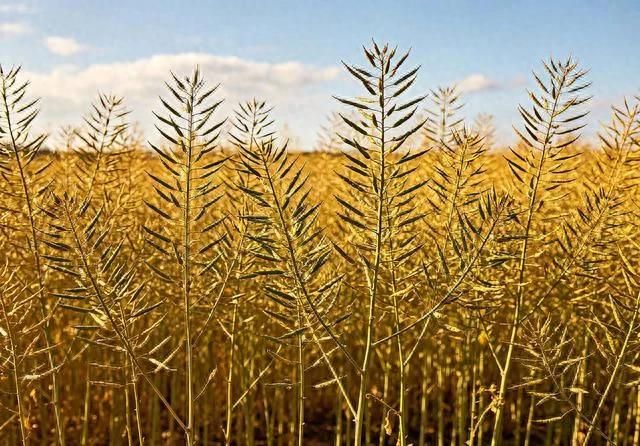
This is a critical period for the intensive harvesting of rural oilseeds, in which many farmers come down early to harvest, and in which some tend to wait for them to turn completely yellow and harvest again。
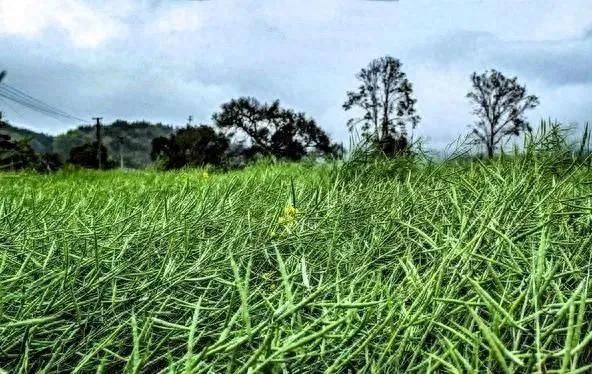
It is well known to a wide range of experienced people that oil-crop harvests do not seem yellow enough to harvest them, that they do not have the right timing, that they have low rates of dry oiling of seed grains, and that they are heavy enough to lose much of the food in a acre。
A number of farmers are used to early harvests and are rushing to see the oil canopy yellow, even though the oilseeds are not yet fully matured and are mostly empty. Not only did the harvest have a low food weight, but the oil produced was particularly poor, and the oil gleaned had a strong sense that it could not be sold at good prices. Moreover, green oil and vegetables have a high moisture content and are stored in such a way that they are particularly susceptible to heat and mold, and crops that have worked so hard to grow are directly destroyed。
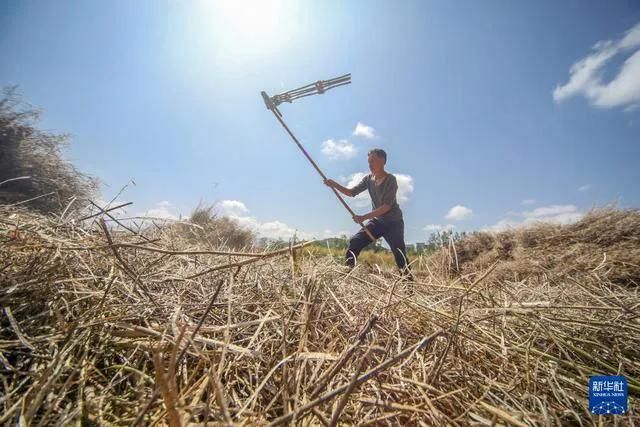
There are also a number of farmers who are too cautious to wait until the whole vegetable can be harvested with full gold, a practice that is equally flawed. When the oil can be fully fertilized, the corneas become so fragile that they open seeds with a small touch, and when the wind and rain are weathered, the fallows in the field become more severe, the machine harvests are more expensive and the harvests are reduced。
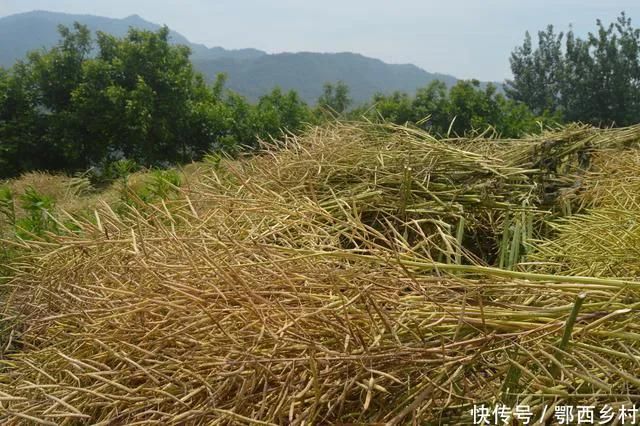
Based on years of planting experience, the best harvest time for oil can be 80 per cent yellow, 80 per cent yellow in the ground and just 20 per cent green. From the plant, the lower half of the oil cane is white and yellow, the top position is slightly green, the corneas are not frazzled and the seed grains are full and bright enough to prepare for harvest。
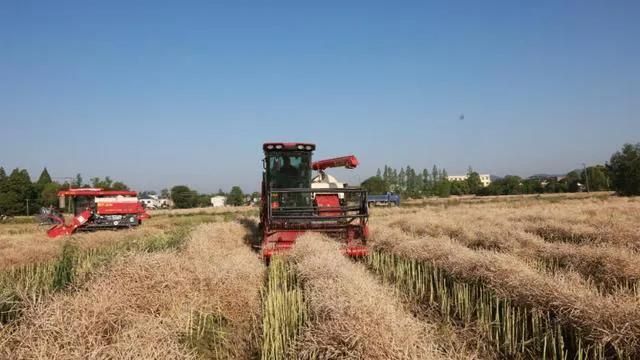
Artificial harvests must also be separated from machine harvests, which can be harvested a little earlier, which can be harvested when the seven or eight are ripe, and when the harvest is finished after a few days, the seed grain will become more full. Machine harvests take place later, 85 to 9% of maturity is the most appropriate, and the removal of particles can reduce seed drops。
There is also the best harvest time in one day, which is best harvested in the middle of the morning, when the open water is dry, when the heat is high at noon, when the sun is tanned, when the fruit of the herd is highly volatile, and when the rain rains do not harvest as much as possible to prevent the seed particles from gestation。
It seems to me that many agricultural farms now rely on old experience, with little attention paid to the details of harvests and often with little difference between early and late harvests. In fact, there are techniques hidden in agricultural plantations, many of which seem to be small details that directly determine the annual harvest. It is important that the harvest not be carried out in a manner that is strictly in accordance with mature standards, so that the production is preserved and the food collected is sold more。



