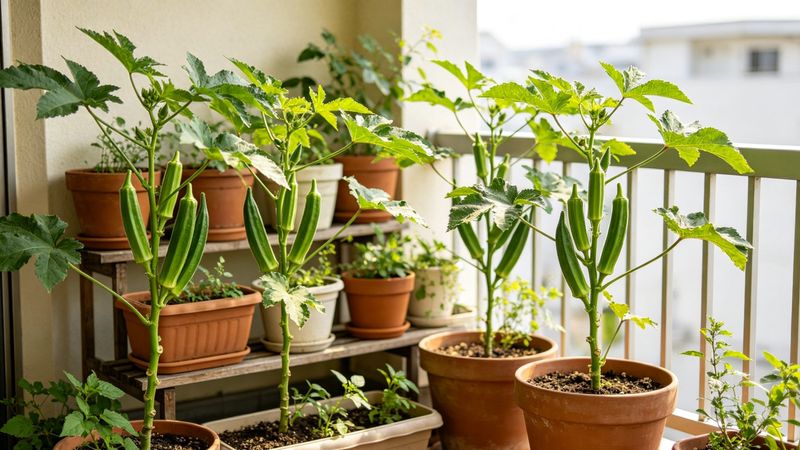
The production of cucumbers, which are one of the main growing vegetables in all parts of the country, with high yields and relatively stable cultivation, is directly related to the growth of part of the leaves on the ground, which largely depend on the growth of the roots of the ground。
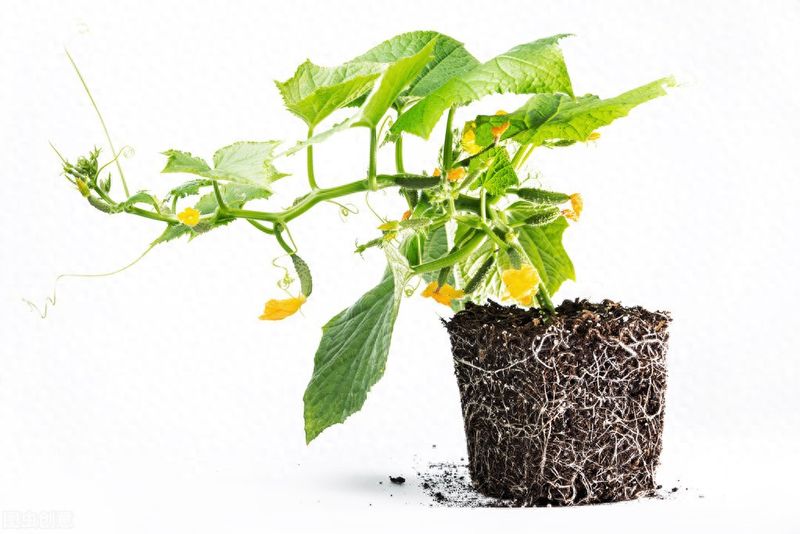
Because root systems absorb not only the water, mineral nutrients for the growth of the part of the cucumber land, but also, at the tip of the root, produce some of the growth of the chickens and leaves on the ground, we can say that the good and bad roots determine the growth of the cucumber plant, which in turn affects its production, quality and productivity. Thus, root protection is the “fundamental” of high quality cucumber production。
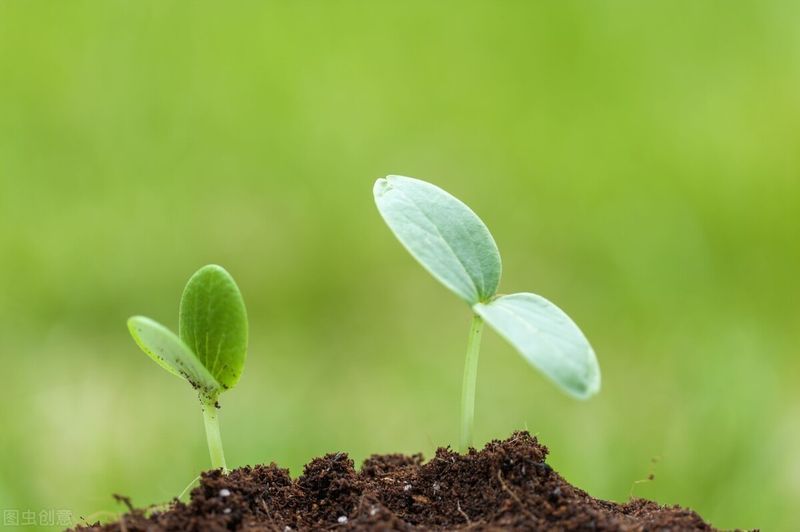
From my experience of serving grass-roots production over the years, many farmers tend to spend much of their energy on the management of the land, but tend to be insulated from the management of the roots, which tends to result in mixed results and affect the productivity of cultivation, and then we talk about how to get the roots of the cucumber growing。
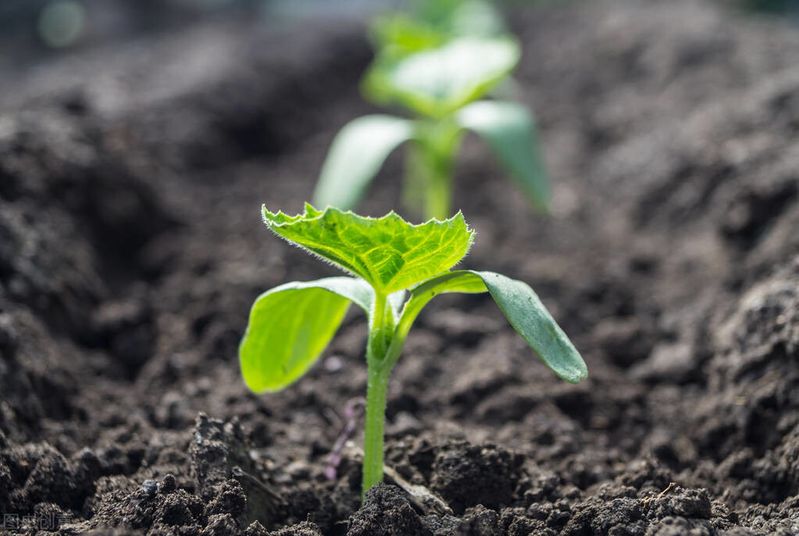
Getting a baby and moving
Unlike tomatoes, the roots of cucumbers are easily emboldened, and when damaged, they tend to produce new roots at a slower rate, thus slowing down the slow growth of cucumbers after a given time, so protecting the root systems of cucumbers is crucial for cucumber production, as well as for planting and post-plant management, which can improve the productivity of cucumbers by reducing the time they reach the market and the time they reach for abundance。
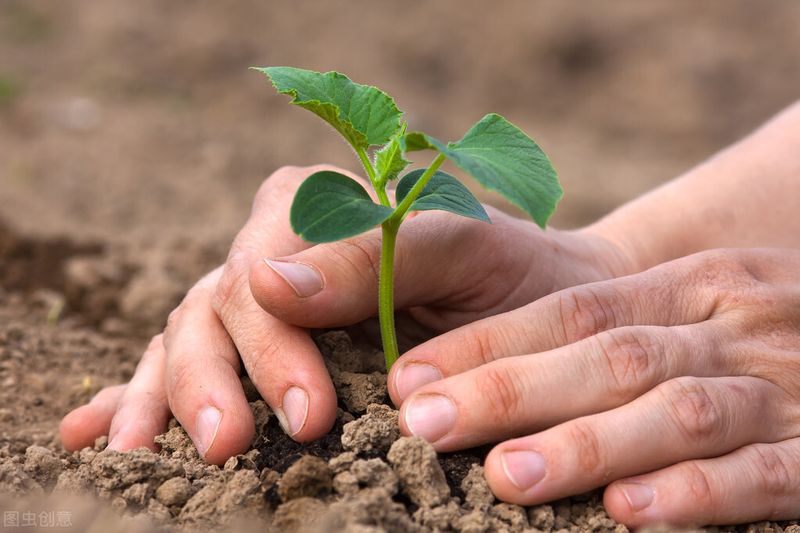
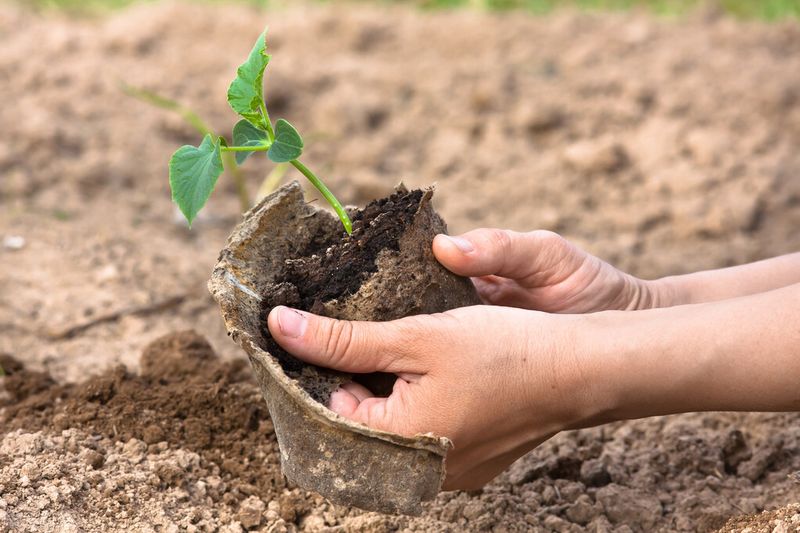
In particular, the use of nutritional seedlings is recommended in the process of breeding, which is based on 8x8 specifications, and which, in comparison to the breeding of soil, is significantly less damaged by the root causes of the displacement process and can serve to protect the root systems adequately. In addition, one or two days before the planting, water is to be poured over the nutrients, so that the earth inside it is not sticky and glued and is not distilled. If it is scattered, the roots of the cucumber will cause considerable damage by pulling。
He's got a lot of weight
The cucumbers are suitable for growth in sandy sandy soil, but in actual production many growing fields tend to be sandy or adhesive, sandy soils are prone to defertilization in the middle and late stages of growth, and have a lower fixed capacity for root systems, which, in wind blowing or farming operations, can cause root damage to the swing of plantations, while viscous soils are less ventilated and less conducive to their growth。
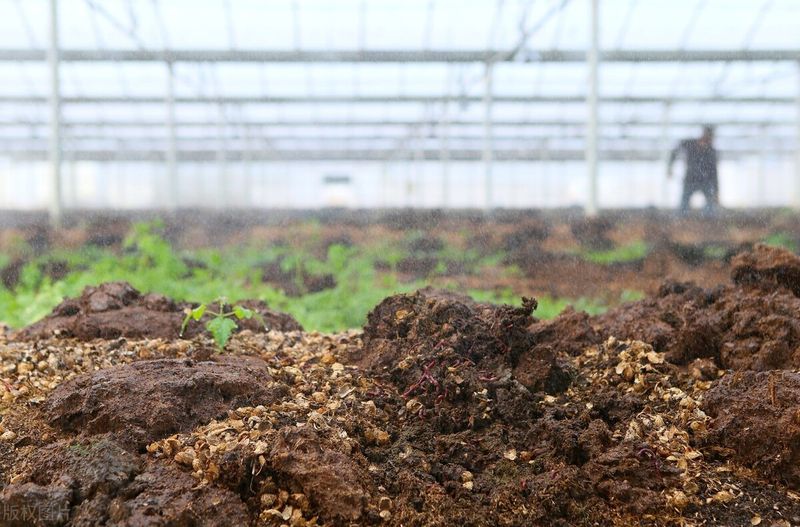
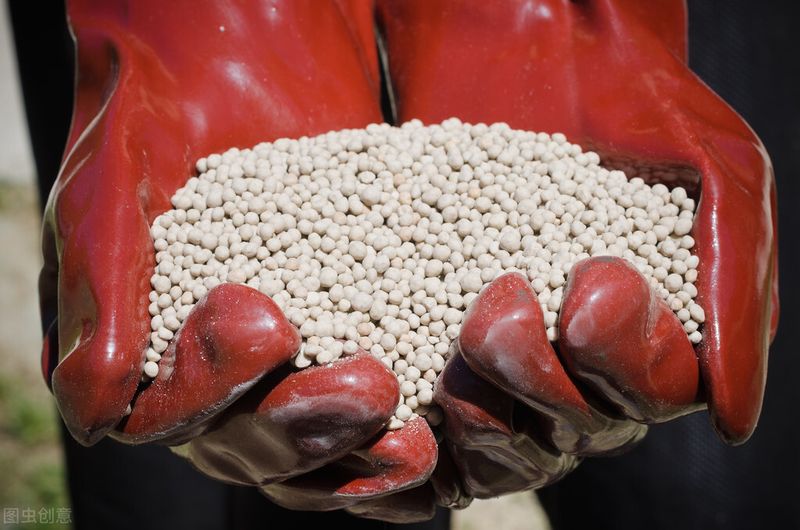
The solution is to increase organic fertilizer, which can increase the viscosity of sandy soils or reduce the viscosity of viscosy soils, thus creating a good soil structure for root system growth. At the same time, the mineral nutrient content of organic fertilizers is more comprehensive and can improve the nutrients that are sufficient and abundant for the absorption of the roots, generally to allow for a one-time application of organic fertilizers at a level of 5,000 kg per acre。
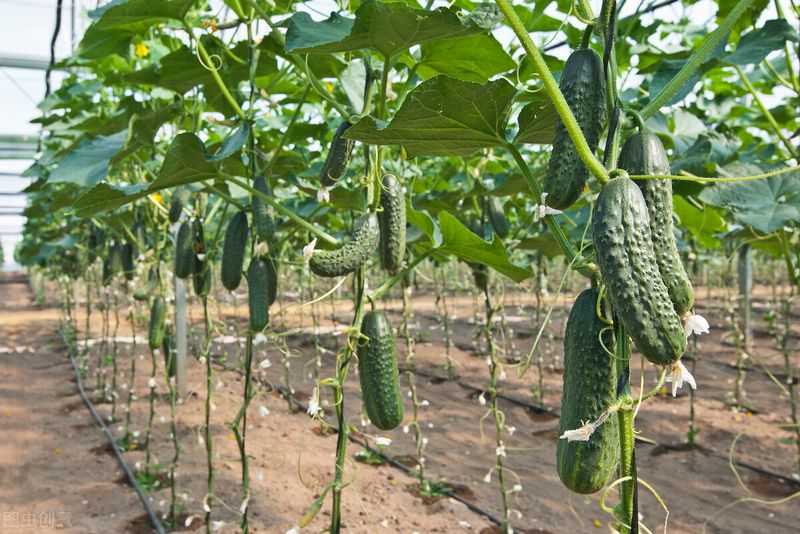
The pursuit of fertilizers is an important means of ensuring sustained high-quality production after the cucumbers enter the climax season and is an important basis for maintaining the cucumber root system's continuous physiological performance. Fertilizers are generally chemical fertilizers, and single application rates are used to cause root burning, but too few applications often fail to meet the nutrient requirements of high-yield quality production, leading to an increase in the proportion of deformity and a decline in production. The principle of a small number of cucumbers in actual production should therefore be followed。
Water content 80-95 per cent of soil is appropriate
The water content of the soil plays a key role in the growth rate of the cucumber root system, the yield and the absorption of transport functions, since the growth of the cucumber root system requires respiratory action to provide the energy and material base, and the functional indicators of the root system decrease when the respiratory function becomes weaker, and an important factor determining the weak respiratory effect is the availability of oxygen in the soil。
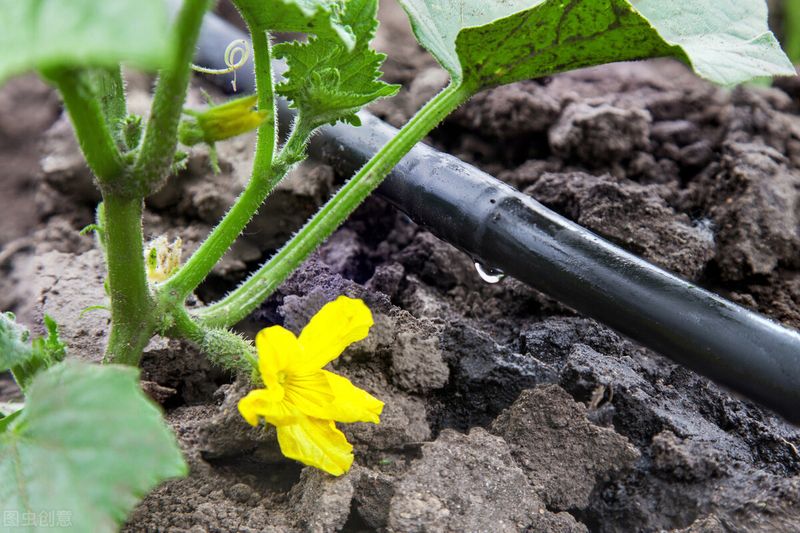
The total amount of space in the soil is relatively fixed, and when water content is high, these gaps are taken up by moisture, which naturally reduces the amount of oxygen in the soil, with the result that the roots are reduced by the lack of adequate oxygen supply, followed by a decrease in the rate of growth, the total number of root systems, the capacity to absorb water and mineral nutrients, so that the roots are well grown and function efficiently, they must be properly watered, with a relative water content of 80-95 per cent during the good runoff period, and the intuitive criterion for holding the earth's fingers can see water marks but not drops。
Temperature at 20-25°c
The main factor determining the development and functioning of the cucumber root system is the temperature, which affects the intensity of its respiratory effects, the speed at which cells are divided and the capacity to absorb the water and mineral nutrients, as well as the capacity to synthesize growth at the point of the root。
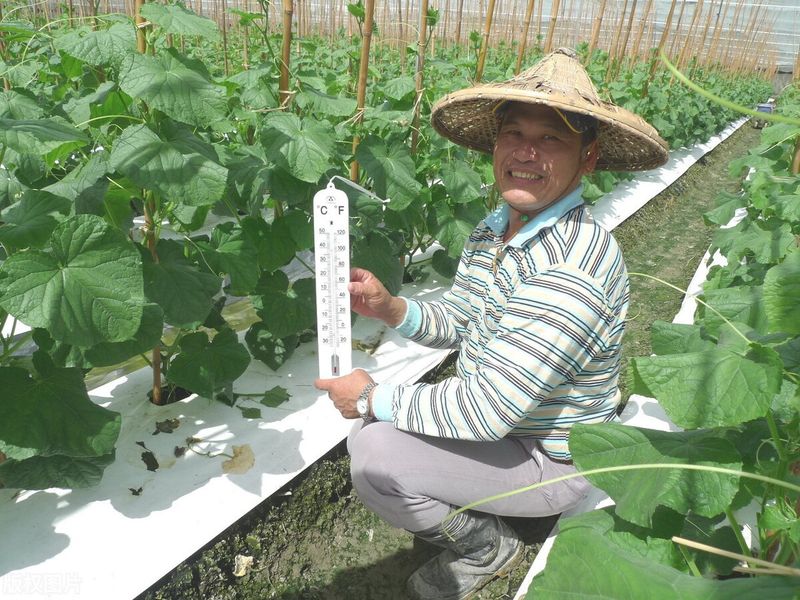
High temperatures tend to accelerate the ageing of the cucumber root system and gradually reduce its functioning, while too low temperatures slow the growth of the cucumber root system and reduce the absorption capacity for transport. Soil temperatures are therefore a determining factor in the suitability of the cucumber for transferation and planting (the 10 cm deep low temperature at the time of planting to stabilize through 12°c) and a key factor in the ability of cucumbers to grow rapidly and achieve continuous high yields. The appropriate soil temperature should remain at 20-25°c after the cucumber enters the production period。
In general, temperature, moisture, nutrients, ventilation, etc. Are the underlying environmental factors in the growth of the nutrient cucumber roots, which, in addition to these factors, must be avoided in the daily management of plantations, which may affect not only the cucumber's strength but also the production of bitter gucumbers。