The early decay of cucumbers is not the result of a single factor, but is the result of a combination of multiple problems, such as species selection, soil conditions, management of fertilizers, management of plantations, pests and diseases, and climatic coercion. Only the precise identification of early decay triggers and the implementation of integrated prevention and control measures for the whole reproductive period can maintain the nutritional and reproductive growth balance of the plant, prolong the melon cycle and achieve a steady high yield. This paper presents a systematic analysis of the main causes of early decay, taking into account the characteristics of spring open cucumber growth, and proposes targeted preventive technical programmes to provide scientific guidance for actual production。
I. The main reason for the early decline of cucumbers in the spring
(i) inadequate selection of varieties and inversions
Varieties are the basis for determining the ability of cucumbers to withstand early decay, and spring field cultivation is extremely demanding for the adaptation of varieties. Some farmers blindly opt for greenhouse-specific varieties resistant to weak light and dense planting, which are extremely cold, rain-resistant and insect-resistant in the open environment and are rapidly declining after entering the melon period. There are also farmers who leave old and old varieties, who are seriously degraded, with weak and underdeveloped plants and poor resilience, and who are vulnerable to premature deterioration when forced into the outside environment。
In addition, the spring open cucumbers are exposed to cold springs and high temperatures in the later stages of their growth, and if they are not selected for the exclusive use of pre-cooked, low-temperature, heat-resilient, disease-resistant, and strong field varieties, they will be increased indefinitely by planting their own anti-resilient short plates, which will be a natural incentive for early decay。
(ii) deterioration of the soil and impairment of the roots of growth
The cucumber is a shallow-root crop with good gas, awe, salinization, fretation, and extreme sensitivity to the soil environment, where poor soil is the core cause of the early fall of the spring open cucumber。
Long-term succession is the primary issue. Cucumbers are associated, and most farmers are subject to cropping limits, planting cucumbers on the same plot over the years, leading to a large accumulation of pathogens such as sickle, root rotor and dead aging in the soil, and to a constant rise in the base numbers of root and ground pests, which are highly prone to outbreaks of endemic diseases. At the same time, co-production results in a single consumption of soil nutrients, a severe shortage of micronutrients and a complete imbalance in nutrient supplies。
Second, the soil is deteriorating. The long-term over-utilisation of nitrogen phosphorus by farmers, neglecting organic fertilizers and biobacterium inputs, has led to the destruction of the soil mass structure, salinization of the sheeting, increased acidification, reduced perforation of the soil, inadequate oxygen, and a lack of breathing and normal growth of new roots. Added to this is the poor drainage of the field, the chronic inundation of oxygen following the spring rains, the rapid yellowing and death of the roots, the total loss of absorptive capacity, and the subsequent symptoms of premature decay in the ground。
(iii) poor management of fertilizers and significant imbalance in nutrient supply and demand
Fertilizer management is the most common human factor that induces early cucumber failure, and there are widespread problems of “re-fertilization, light organic fertilizer, re-fertilization of nitrogen, light potassium fattening of phosphorus, pre-light pipes, post-decomposition, heavy water flooding, and dry flooding” in production。
With regard to the application of fertilizers, there is a shortage of base fats and a preference for nitrogen fattening, which can lead to long preplanting and weak roots, inadequate supply of late phosphorus, potassium, calcium, magnesium, boron, etc., and reduced co-operation of leaves and nutrient transport. During the guacamole season, where the capacity of the plant is large and the need for fertilizer peaks, farmers are highly vulnerable to loss of fat if they see a drop in production, and to long-term loss of fattening; over-refertilization increases the concentration of soil solutions, triggers root burns and further weakens the vitality of the root system。
In terms of water-watering, the rapid rise in spring temperatures, the frequent flooding of farmers and the heavy wetness of the soil have resulted in stifling root causes; cold water has been poured directly at noon, the root causes have been damaged by severe temperature differentials; the water recharge has been delayed in times of drought, and there has been excessive water loss and premature loss of leaves. Out of control of water fertilizers directly disrupts normal metabolism of plants, root systems ageing in tandem with leaves, and early decay occurs rapidly。
(iv) field management thick, plant overload
When cucumber enters the cucumber period, farmers tend to be heavily harvested and under-protected, and the management of the cucumbers directly contributes to premature plant failure. One is the irrational removal of entire leaves, the premature removal of functional leaves, the premature taking of roofs, the substantial reduction in the area covered by the luminous plant, the insufficient production of nutrients and the inability to meet the demand for guacamole; the other is the excessive and untimely routing of guacamole, the fall of roots, the retention of large-age branches, the over-consumption of nutrients, the inadequate supply of nutrients at the point of growth, and the vicious circle of “guado weak”; the third is the loss of chickens, the inappropriate operation of chickens, the excessive size of the chicken, the severe damage of the chicken, the disruption of the nutrient transport corridor and the rapid deterioration of the plant; and the fourth is the neglect of the field during the latter and the latter, so as to allow for the growth of the disease-borne worm and, ultimately, the total premature decline。
(v) high levels of disease and infestation and severe damage to normal growth of plants
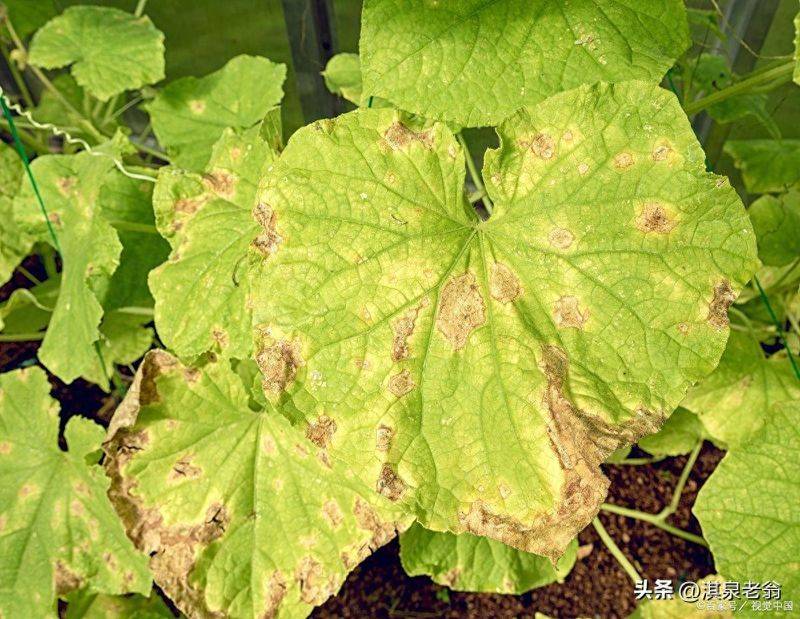
The high temperature and humidity in the late mid-spring of open cucumbers is the peak of the outbreak of pests and diseases and an important driver of early decay. In terms of disease, frosty, powdery, anthrax, leafy fast-absorption blades, which destroy the photolytic function; atrophy, root disease, aging disease directly affects the root and root causes, disrupts the transport of water fertilizers and leads to the early decay of the whole plant. In terms of pests, aphids, white lice sorbents, viral diseases, red spiders, parrots eating leaves, the corrosive roots of the dysentery cause the death of a tumour, the looting of nutrients, the destruction of organs and, ultimately, early aging。
(vi) climatic environmental coercion and collapse of resilience of plants
In the spring, field cultivation is entirely dependent on natural climate, and adverse weather can directly trigger stressful and premature decline. Precipice colds, low temperature colds, damage to seedling root systems and leaves, slow and weak seedlings and early decays in the later stages of burial; sustained high temperatures, strong sunlight, excessive foliage burns, excessive evaporation and imbalances in the distribution of water; successive rainy weather, low light, low accumulation of luminous products, saturation in the field, low oxygen and spread of disease; and windy weather, resulting in loss of penis, loss of leaf blades, increase of wounds and severe loss of nutrients. Under multiple climatic pressures, the resistance of plants is rapidly declining, leading to early decay。
Ii. Integrated prevention of early cucumber decay in the spring
(i) pre-selection, breeding and building a strong and resilient base
The prevention of premature decay begins at the source, with the preference of excellent varieties suitable for spring field planting, prematurity, heat and humidity resistance, high resistance to disease, and robustness, and the complete elimination of degraded old and greenhouse-specific varieties。
At the nursery stage, strong seedlings are strictly grown, with the use of nutrients or caves to plant seedlings in order to avoid injury to the roots; the temperature of the nursery is controlled, the growth of pupils is prevented, and the growth of age-appropriate seedlings that are thick, well-developed, green and disease-free are cultivated. Preplantation is preceded by low-temperature seedlings, which improve the resilience of young children to the cold and to the adverse, prevent the planting of weak, ill and seedlings, and provide a strong basis for the planting of seedlings。
(ii) soil improvement, rotational fallback, conservation of root environment
In response to poor soil conditions, a programme of soil improvement was implemented for “rotation + deep cultivation + fertilizers”. The introduction of cucumbers, cucumbers and cucumbers, beans and herbal crop rotations of more than three years, which are strictly prohibited, has resulted in a fundamental reduction of the accumulation of cucumbers and eggs。
Cleans up the fields thoroughly before planting, remove sick residues, weeds and concentrate on harmless treatment, and reduce the source of insect in the field. Soils are cultivated at depths of 25 to 30 centimetres to break the ground floor of ploughs and improve soil aerobics. Re-exercise decomposed organic, biobactivated, fertilized acid fertilizers, with appropriate amounts of potassium phosphorus fertilizer for base fattening, eliminate decomposition of decomposition, improve the particle structure of the soil, increase the strength of the ground, optimize the environment of the root micro-organisms, and create favourable conditions for the growth of the root line. At the same time, the field drains and drains are being dug in such a way that the rain stops, that water is not being accumulated and that the roots are not decaying。
(iii) scientific water fertilization to balance nutrient supply
In keeping with the principle of “predominant, prolific, prolific, prolific, prolific” cucumber nutrients。
It is based on a combination of balanced composite and phosphorous fertilizers, which complement the soil nutrients. Lightly applied fattening of seedlings to promote deep roots; re-appreciated melon fats, mainly with high potassium compound fat, combined with the spraying of potassium phosphate, calcium fats and boron fats on the side of the leaf, supplementing the micronutrients to prevent the eutrophication of leaves. The mesomelic mesophthalate, urethane and urethane folate are sprayed in the middle and later stages of the melon to increase the light efficiency and resilience of the plant and to slow the aging of the leaves。
Water is distributed in accordance with the principles of “dry-wetting, small-water intubation” and is strictly prohibited from flooding; water is used at high temperatures and afternoons. It is chosen to water hot waters in the morning or evening to reduce the stress of the roots; and water is drained and pine soil is cultivated in a timely manner after the rains, the soil sheeting is broken, the roots are ventilated, root roots are raised and early decay is prevented。
(iv) refinement of field management and rational control of plant loads
Implementation of precision plant management to maintain a balance between nutritional and reproductive growth. The timely removal of swabs, side branches, old leaves, sick leaves, yellow leaves, the retention of functional blades, the provision of ventilation in the fields and the reduction of inefficient nutrient consumption; and the prohibition of excessive leaf removal to avoid a shortage of luminous areas。
(c) rationally sequestered and timely guacamole, guacamole precipitously to prevent crashes, to remove deformed and weak melons in time to avoid the waste of nutrients, and to control the retention of single guacamole on the basis of the strength of the plant to eliminate overloading. The proper and moderate leaching of chickens, the protection of the integrity of the penis and the smooth transport of nutrients. The timely harvesting of melons is based on the principle of “dry and early harvest”, which reduces the burden of growing nutrients and prolongs the melon cycle。
(v) green against pests and pests to reduce plant damage
Insisting on a “preventive and integrated approach” approach to plant protection to reduce the harm caused by pests and diseases to plants. Agricultural control reduces the occurrence of pests and diseases through rotation, clean field gardening, rational planting, ventilation and wetting; physical control, with cedar baiting, white lice and anti-worm nets to prevent insect invasion; biological control, with biobacterizers and natural enemy agents to control pests and reduce the use of chemical pesticides; chemical control, with precise identification of pests and pests, with highly effective, low-toxic residual pesticides, with scientific rotations, with protection of the health of leaves and roots。
(vi) responding to adverse climates and increasing resistance of plants
Early protection against climate variability in the spring. After planting, she was exposed to cold springs, with small arch sheds and covering membranes in time to keep her warm; during the high-temperature and strong light season, shedding her sunnets with moderate shades to reduce the temperature in the field and the number of leaves burned; after consecutive rainy days, shedding water, re-fertilizing her leaves and quickly restoring her strong plant; and before the wind, shedding her plant to prevent the break of her penis. To reduce stress damage to plants and maintain stability by protecting against adversity。