Core logic: selection of varieties + seedlings + fine-temperature water fertilizer + green control, managed by reproductive period, acre production stable at 8,000-12000 kg, and high-quality melons at 85%。
I. Varieties selection (by region/season)
Follow the three matches: match seasons, planting methods, market demand。
(a) north china spring shed: china farmer no. 16 (resisting of low-temperature and weak light, anti-frost/powder, acre production of approximately 12,000 kg), jin yu no. 35 (premature production, 95 per cent commodity rate +)
North china autumn post: jin yu 409 (hot antivirus, high temperature sits smooth)
(a) early mid-downstream spring of the yangtze river: sutrid 1 (wet resistant to horn spots, soft and bitter)
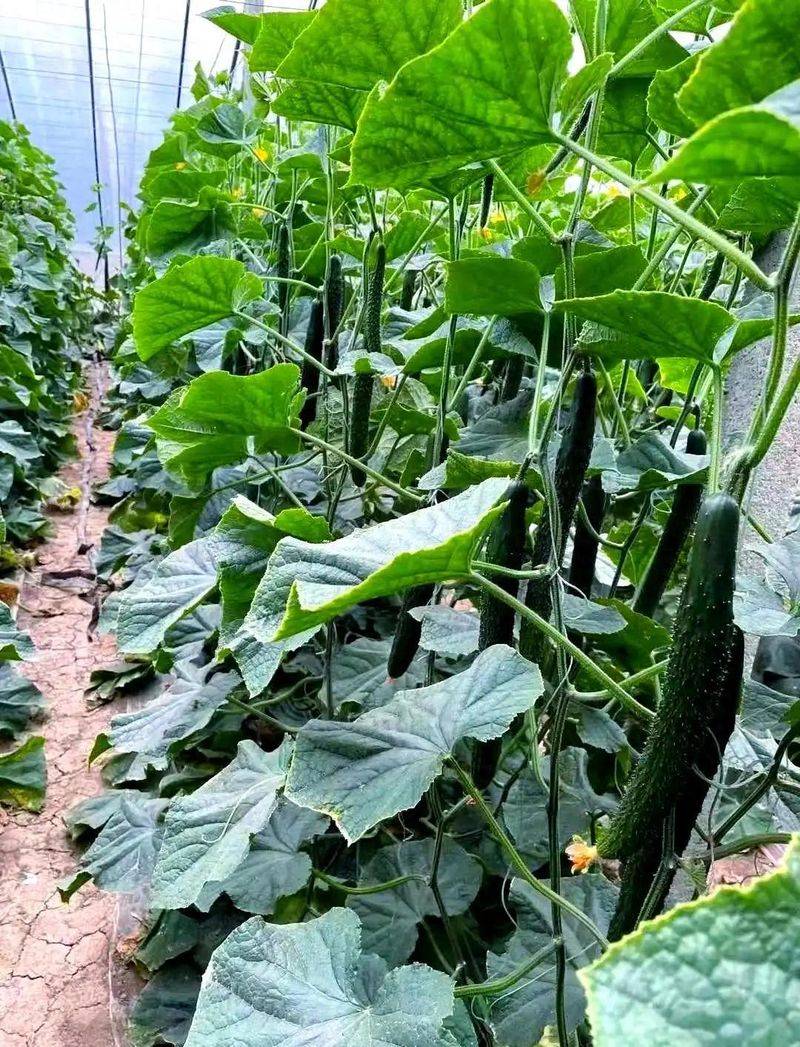
(a) summer autumn field: 202 (suffering from high temperature of 35°c, tergogenic rate < 3%)
South china winter spring: the triple show no. 3 (10°c+, decay)
• north-west solar greenhouses: green caps (low temperature resistant to weak light, monolithic melon 35+ bars)。
Soils and landscapes (conjunction barriers)
The cucumber roots are shallow (80 per cent of the earth cover is 0-20 cm), fatty and afraid of flooding, associated with cucumbers, which take more than three years。
1. Pre-treatment: after harvest, clean-up of residues, 25-30 cm deep and tan for 7-10 days
2. Soil disinfection (e. G. By field):
Biology: acre application of bacterium mollusc agents (cfu/g) 2kg + shredding 500kg, 15 days of condensation of the vertebrae (40°c)
Physical law: steam disinfection (60°c 30 minutes, facility base)
3. Base fertilizer application (by ny/t 496-2010): acre application of decomposition organic fertilizers of 5,000 kgg + calcium perphosphate of 50kg + potassium sulphate of 25kg + boron sulphate of 0. 5 kg + zinc sulfate of 1. 5 kg, prohibition of unperished chicken manure (e. G., burnable root, wireworm)
4. Settling:
(a) north/north-west china: high-strength cultivation, 20-25 cm tall, 80 cm wide (dual rows), ditch 40 cm wide, silver gray membrane (disposal, protection)
Yangtze/chuangan: deep ditch, long face, 1. 2 m (dual row), deep ditch, 25 cm (silence)。
Cultivation and planting (key window period)
1. Cultivation (5-30 days)
Seed treatment: 55 °c warm water impregnated for 15 minutes (continuous mixing), 4-6 hours after cooling to 30 °c impregnated and 25 - 30 °c sprouts 24 - 36 hours to 70 % lumber
(a) seeding: 50-72 percre disks, with a base of grass-grass: cylindrical: pearl rock = 2. 1:1 per lavender, with a base of 0. 8-1 cm, pre-sapling shade and gradual light after seeding
Shrimp management: 25-28°c during the day, 15-18°c during the night, water-protective longs, 0. 1% potassium phosphate + 0. 05% thylene ester (ding root) after foliage。
2. Plantation (morning of the city/sheltering the heat)
(a) timing: late february, mid-downstream of the yangtze river, early march, late april to mid-may
Density:
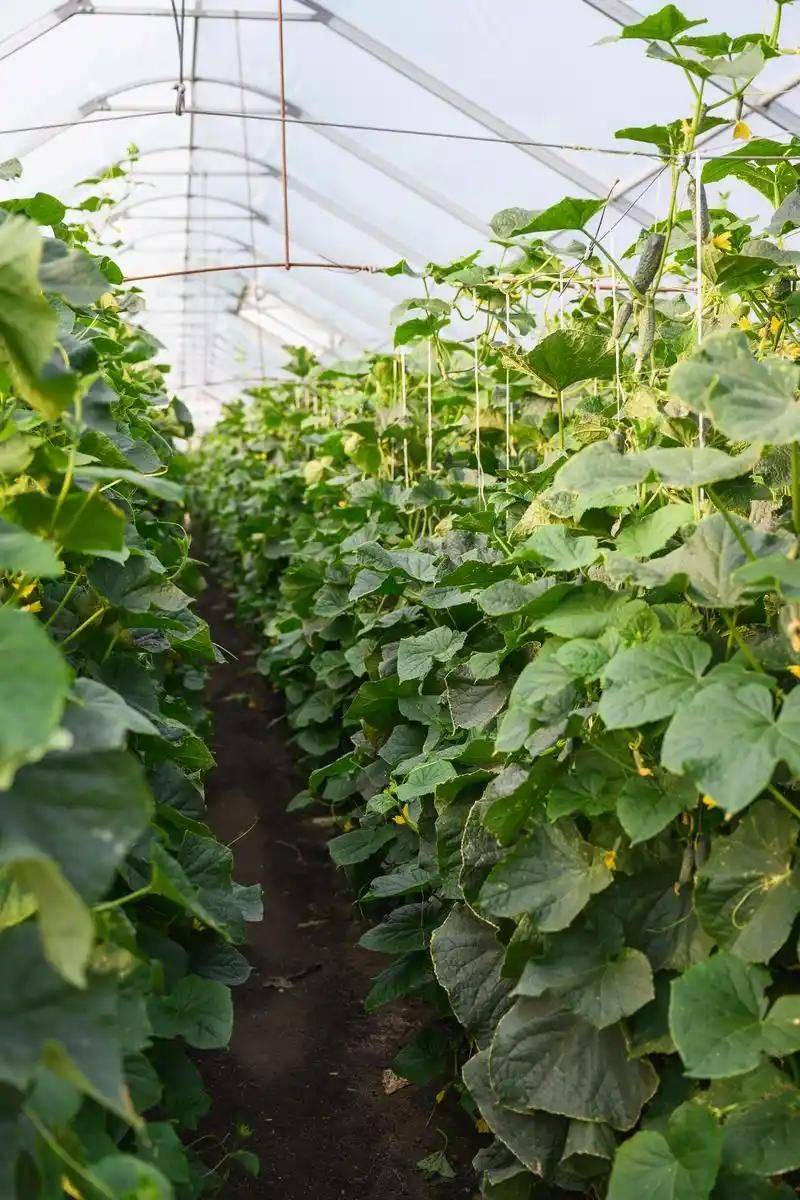
Spring sheds/sun-light greenhouses: 3,000-3200 units/acre with a distance of 50 cm from 80 cm + small lines (wide and narrow) and a distance of 30-33 cm
(b) high-temperature season in the field: 2400-2600 acres (likely) at a distance of 70 cm
(a) methods: morning planting with earth, planting with firm root water, sealing with no embroidery, laying drip belts and covering black membranes
Temperature light: 25-28°c during the day after planting for 3-5 days, no less than 12°c during the night, and chandeliers after seeding。
Iv. Management of the reproductive period (core efficiency points)
1. Shrimp duration (3-5 days after planting)
Keep the soil wet, properly shaded, and promote slow seedlings; control the water seedlings (without heavy water) and push the roots down。
2. First flower (10-20 days after planting)
Temperatures: 28-30°c during the day, 16-18°c at night, 10 hours of light
Water fattening: water control up to three days before the opening of the first female flower (crawling) and a 0. 1 per cent foliage spray (stimulant development)
The whole branch: preserve the main chicken, leave a leaf to the heart, remove the old leaves of the base and ventilate the light。
3. Outcome period (highest demand for water 30 days before flowering)
Temperature light: 28-32°c (sing)/25-28°c (sing) during the day, 15-18°c (sing) 13-15°c (sing) at night, 6 hours (single light)
(a) fertilizer: water is followed up once every 7 to 10 days, mainly by potassium nitrogen
Sitting of root melons: acre flushing of potassium water soluble fertilizer (n-p2o5-k2o=5-5-35) 5kg+calcium amino acid 2kg
(a) cucumber period: one fat chase per two harvests, with the use of fish protein fertilizer (1:200 volts of water) interchange with fertilizer
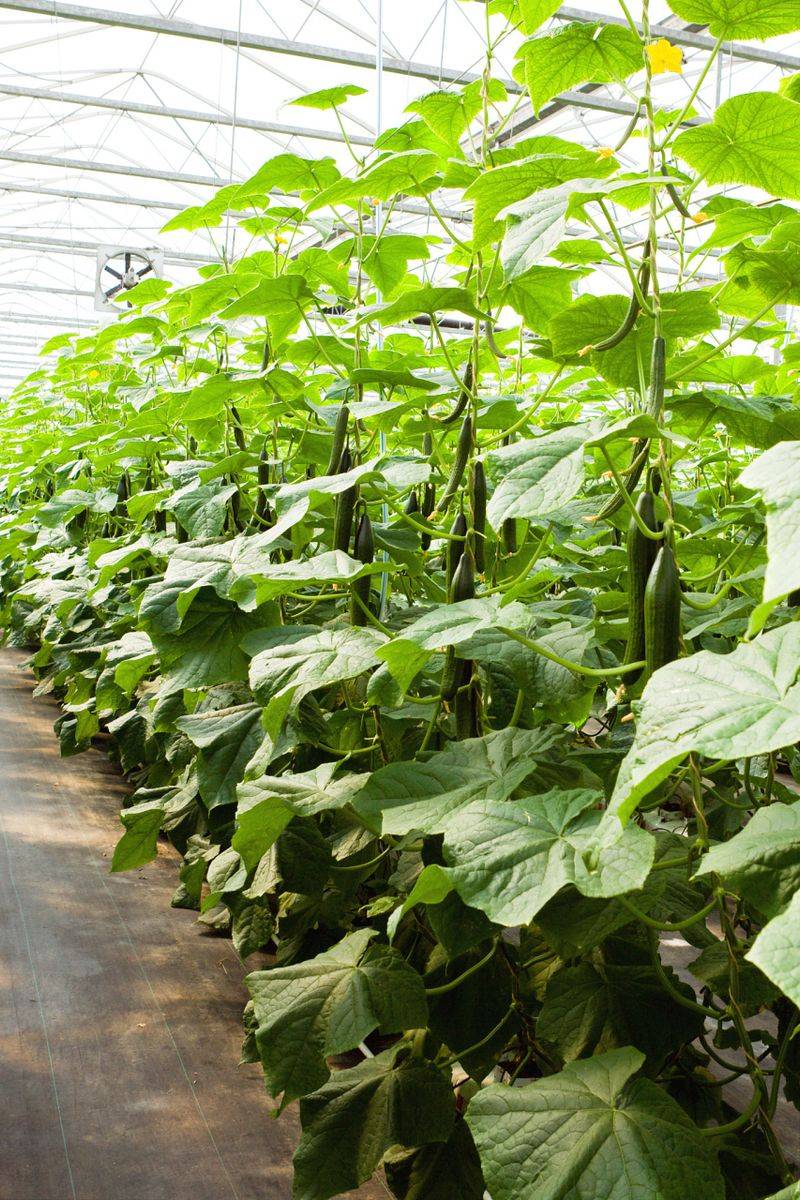
Watering: morning dripping, soil humidity 75-85 per cent (hand-strangling without dripping) and drying and wetness
(a) load management: no more than three pieces of monolithic melons are left together, with the removal of abnormal melons and sick leaves in time
Roast technique: 40-50 cm each when a cranium wire is up, maintaining 20-22 pieces of functional leaves。
4. Collection (early harvest with extended outcome period)
(a) standards: straight-line, 25-35 cm length (by variety), green colour, morning harvest (watery, good quality)
Frequency: one harvest per day during smelt periods to avoid the premature decay of plants due to leakage。
V. Green control (reduced)
1. Main diseases (preventive)
Disease, identification points, precautions
Frost, yellow polygonal on the leaves, gray on the back, 600 times more saplings of 300 million spores/gharz mucus seven days in advance, and 687. 5g/lfluorus frost 60ml/acres after the onset of the disease (3 days safety interval)
Plates covered with white powder, later browning, sprayed with 2% nucleotide antibacterials, 800 times more liquid; biological agents rotated in serious cases
Angular plasters, brown spots on the leaves, yellow dizziness around them, yellow cedars (30 pieces/acre) and 0. 3 per cent ointment spray
Wearing, straining, tubing, browning, grafting (up by 3-5 times the disease resistance of the white seed pumpkin; 500 times the saples before planting)
2. Main pests (physical + biological)
Pest control
Aphids/black lice cedar (25 x 30 cm, 30 cm); 1. 5% pyrethroid emulsion, bitter alkaline water spray
A horse with a blue plate of bait; an enemy like a bee
Zephyr fly, covering 40 worm nets; fungus sprouts
3. Drug use norms
Following the request of the ministry of agriculture and rural development, cucumbers are used for six times/quarters, with strict compliance with safety intervals, giving priority to biological agents。
Vi. Common issues and responses
Aberrant melons (curds, bitter melons):
(b) bending melons: small water effort to avoid water disparity; and the removal of weak melons to ensure nutrient supply
Scorched melons: potassium supplementation against drought and foliage of 0. 3% boron solution
2. Master: control of nitrogen fertilizer, potassium phosphorus, increased ventilation and reduction of night temperature to 12-15°c
High incidence of disease: morning ventilation and humidity (85 per cent wetness), timely removal of leaves and rotation of medicines。
Vii. Elements for regional practice
(a) a massive winter event in north china: a daily application of >92 per cent of the photo-film + mirror led (four hours per day) and a weekly application of 0. 3 per cent of alkaline + 0. 5 per cent of a bit of polyglu (inducing resistance)
(a) early mid-down-spring of the yangtze: “three layers of cover” (the membrane + the small arch + the large lambrane) at the onset of the spring, less than 12°c heater
South china winter spring: double membrane cover + electric hotline warming (18°c) and post-typhoon calcium chloride + 0. 05% zinc sulfate
North-west field: two rows of monofilm + drip irrigation, management of water fertilizers at ec values (shrimp 1. 2, primary flower 1. 6, fruits 2. 0), ph6. 2-6. 5。
Consistent with the above standardized processes, combined with agricultural technology guidance, high-yield quality can be achieved and planting risks reduced。