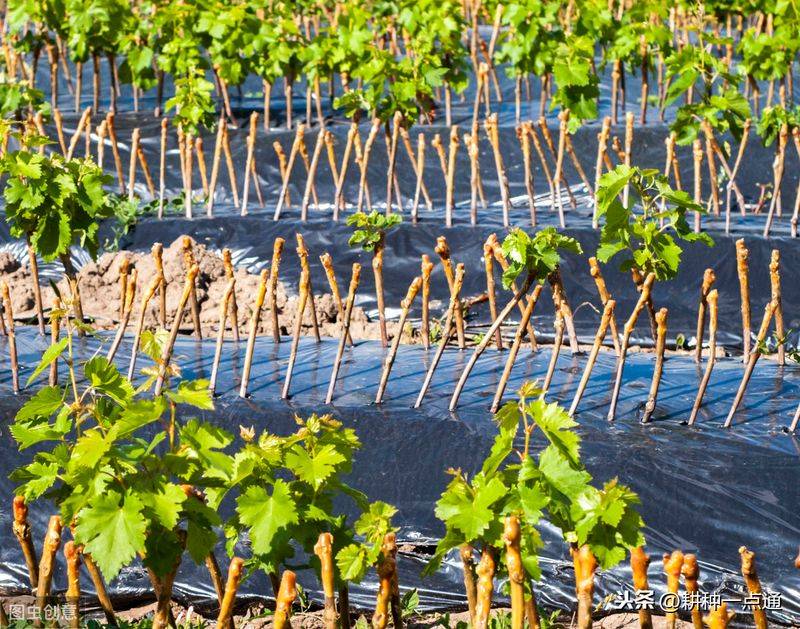
The first is the introduction of a non-field and the second is home-grown reproduction. The source of the trees is not important, but it is important to ensure their quality. The choice is to choose a first-class tree that is adapted to the cold, market well-selling, sweetness, durable transport, green branches, and pre-maturity. This is not only about efficiency but also about the success or failure of grape cultivation。
The introduction of saplings in the field must ensure that the trees are pure and that the first-stage tree to which the green branch is married is above 30 cm tall, the centre is above 0. 7 cm thick, full of full wood and winter sprouts is full of not less than five, the roots are evenly distributed, the roots are above five roots, the thickness is above 0. 2 cm thick, the length is not less than 15 cm and the interface is healing well, and it is important that the trees are not bought, cannot be grown into hard branches, and the hard ones are grown into trees without poverty。
2 nurseries
Treatment of introduced seedlings: before the introduction of the plant is impregnated, rooted, disinfected, then replanted in the shed. Practice: to dig a pit 10 cm deeper than a sap, make a 100 mg/l solution powdered with acetic acid, and when the roots of the tree are 10 stubbles, the soil is laid in the pit, 10 cm of pine soil, which is better fed with horse dung, and then a gaseous membrane. Because of variations in the temperature up and down of the pit, and because of the fact that the agitation of the root requires lower temperatures than the budding eye, the tree starts with a white root, which does not。
We need to dig before we plant three. Trench
3. 1. Procedures for planting trenches
It is necessary to level the ground before planting a ditch, otherwise it will be difficult to water the future and water the pipes。
3. 2 digging of trenches
Digging in the middle of the sun, 60 cm wide and 60 cm deep, the earth is dug in two parts up and down, on both sides of the ditch, after which weeds, broken plants, 30 cm in the bottom mat, the farmers are fat, 10 cm in size, then the excavated soil is mixed and evened back and 20 cm above the ground。
4 plantation
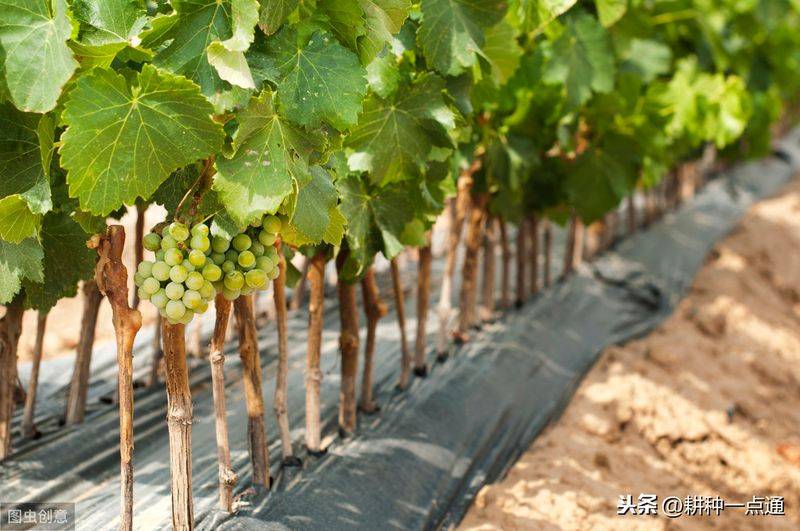
In the middle of the day or after 3 p. M., seedlings with white roots will be planted into a well-earned ditch or pit. The planting of seedlings is expected to tilt 45 degrees in the direction of cold protection and the interface is about 8 cm above the ground, followed by the planting of slow seedling water (deeping of pits inside them, plastic sheeting in them and water in them, natural warming), so as not to reduce the temperature of the ground, no heavy water can be poured, only for each 2 kg water. The seedlings so planted are sourced and will grow rapidly. In the past, the government has managed to reduce the cost of raising the baby by providing it with a bag. When seedlings are found, small, unwhite seedlings are found. They should not be able to hold them up. They should be exposed to the high-temperature sheds, which should be planted in the same manner as good seedlings. They should be planted separately, then buried with the earth, then put into the ground, and then removed for planting。
5 from home to home
5. 1 benefits of home-grown seedlings
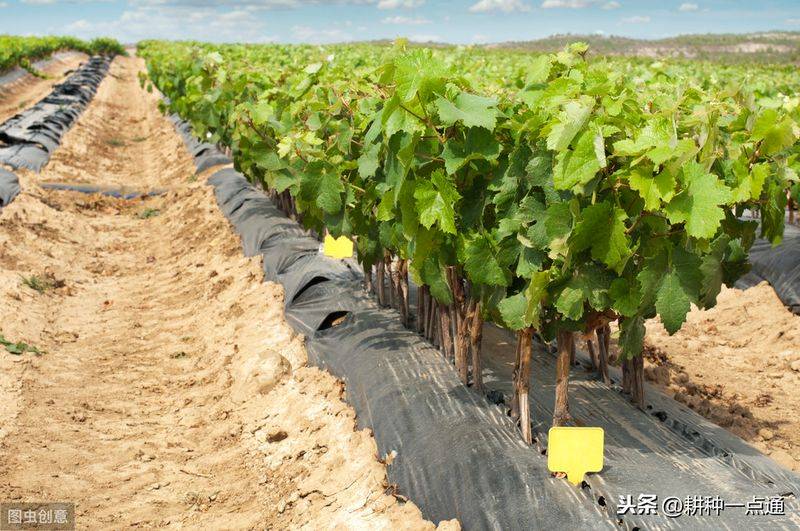
It is also efficient to sell trees more than the income of grapefruit; it ensures the purity of the trees by marrying them; it is possible to plant them in the spring without seedlings or shifting them; it is possible to get married in the spring, and it is possible to get married in the autumn; it is good for the trees to grow up; and it saves the entire workers the time they take after tea。
5. 2 method of marriage
There are many ways to marry because of, inter alia, the requirements of the aluminum, so that, in order to reduce the length of the present paper, only the green branch and wood sprouts are mentioned。
5. 2. 1 green branch succession
Cracking, abdominal, cortexing, soft stinging, docking, high branching, etc。
5. 2. 2 bud answer
T-shaped sprouts, lumber sprouts, square sprouts, etc。
5. 3 period of marriage
If the wood is thick enough to get married as soon as possible, the open ground cannot be later than 20 june, the plastic sheds cannot be later than 10 july, otherwise it will not mature by autumn, i. E. It will not be woody, it will not germinate in the field for years to come and it will not be easy to grow。
5. 4 selection of aluminum
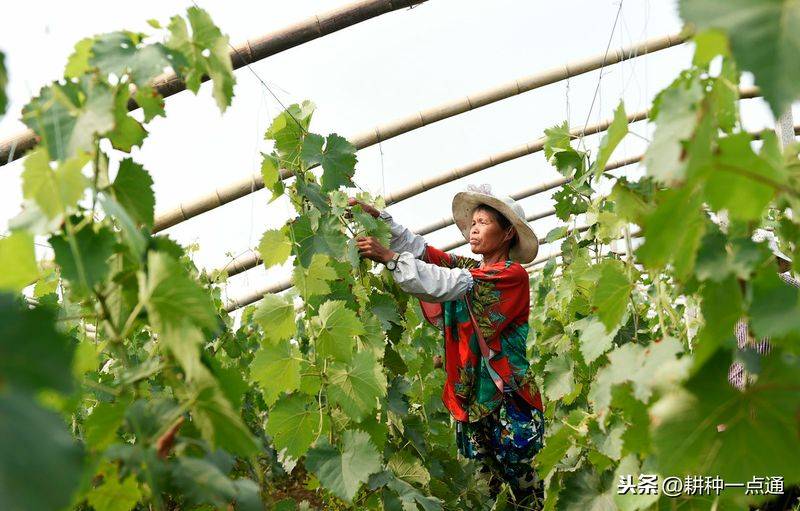
The logs shall be watered, taken care of, and semi-timbered for three or four days before their marriage, and shall be attached to the tree of the result, if it is of good taste, to the branches of the bone which are coarse, insect-free and insect-free, without prejudice to the tree shape. To store the nutrients of the ties, the tops of the bars are given five to seven days before their marriage. When you get married, you have to remove all the branches that are left behind. In the case of marriage to a tree that is smug or monolithic, it must be preceded by a stroke of wood. The interface is 10-20 cm above the ground and must be married in such a way as to ensure that it is no longer stimuli, otherwise it will affect the delivery of the ear。
Five and a half
In order to harvest an ear on the tree of the result, the ear shall be taken for its present use, i. E. In the local ear, six to seven days before the ear is taken, the ear shall be taken to the heart and the bottom eye shall be filled. On the fruit tree of a good breed, the stem chooses the growth of a strong, full, small heart, full budding eye, disease-free, non-smoking developmental branch, and chooses the medium growth, the thick, medium, and thin strips of the same age, which are strong in regenerative, and leave a leaf handle of 1 - 1. 5 cm as soon as it is harvested, and removes the leaves, and the base is placed in the water basin, and chooses one by one. If the ear is taken from the outside, the ear and the ice will be placed in a thermostat and brought to the place of marriage。
5. 6 during the marriage period, the mussels began to be grafted
5. 6. 1 cutting of aluminum
The aluminum is cut 20 cm above the ground, with a half-shaving blade, two-fifths deep in the aluminum thick, approximately 2. 5 cm long, then quickly inserts the beak into the aluminum cut, and leaves 0. 1-0. 2 cm white, in order to boost the healing tissue. The upper end of the gill is tilted in the direction of the swirling, to the point where it's well wrapped. Finally, a 1 cm wide white plastic bar, 5 cm above the interface and 5 cm down on one level, must be tightly entangled and must not leak. After that, you'll be covered with the active leaves on the eucalyptus. Care must also be taken to protect all the leaves on the logs and not to allow the stalks on the logs to grow。
5. 6. 2 ripping of ears
After choosing a thinly adapted line, hand to hand, sew the sprout in the lower part of the sprout, cut the knife in the lower part of the sprout, cut the blade fast, cut the face down to two sides 2-3cm long, wedge the wedge, i. E. Wedge with a narrow side, and leave two good eyes on the side of the slash, like a small, moving side. (a) be fast-cuted into the aluminum cut, as soon as it is sharpened, so that it is as coarse as it is, and the formation layer is best matched; if the ear is so thin as to be able to form a layer, and if the ear is so thick as to be so thick as to remove the excess part of the ear, then wrap it。
5. 6. 3 appropriate catch-up
After 7 to 12 days of examination, if it is found that there is no activity, it is immediately complemented by an embedding of wood, which is done by cutting up 1 cm of internal sprouts, 2 cm of sprouts, cutting down the sprouts of a thin layer of wood, cutting off the sprouts of the same size and shape on the sprouts of the sprouts, and placing the sprouts on the sprouts, leaving the sprouts outside with plastic strips, and not leaking gas。
6 post-marriage management
6. 1 earning management
For the three sprouts of an ear, as long as 5-10 cm, only one strip is chosen, and the other two are removed. In the case of winter sprouts, a leaf is left over and over again on the sidekick of the new plant, with a boosting of fat for the living seedlings. A small amount of urea (22. 5 kg/acre) is added each time water is poured in the later stages of growth. Large growth is conducive to the formation of buds in the year, and if they do not reach 1. 2 m, they are difficult to form and bear fruit in the next year。
6. 2 management of fruit trees in the year
The purpose of the two-time capping of the sapling, the first of which was about 70 cm tall, the first of which was a full leaf, and the first of which was a full leaf, and the first of which was a full leaf, the top sprouts emerged and the subsequent extension of the plant. The aim was to make the next winter sprouts more full, in order to prevent the trees from being bald because of the top advantage, and to pre-empting the trees with two full leaves, so that, for the first time, the two full leaves would be cut, the leaves would grow fast, the leaves would grow and the hearts would be cut off, and the leaves below would be cut. It is equally important to manage the winter sprouts of the next year's outcome while managing the vagrancy, so as to prevent this year's viability and the next year's reduction. It depends on how long and how long the winter sprouts are, how long they are, how long they are, how long they are, and how long they are, and vice versa。
6. 3 management of adult trees
Boric acid, a growth regulator, was sprayed three to five days before the mature tree flower (when the same bouquet of bedda grapes bloomed) to increase sitting rate. It also took the first 10 days to apply urea at 15 kg per acre。
6. 4 technical measures to increase the incidence of fruit
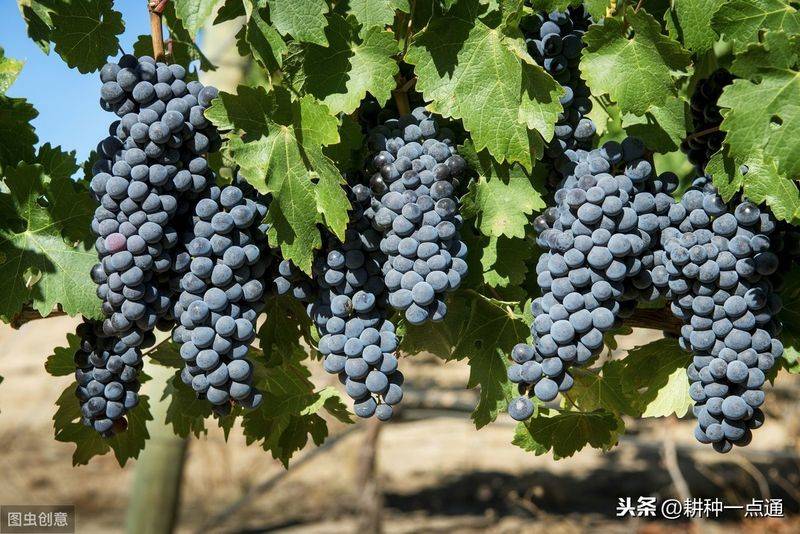
Other species (european-american hybrids, euro-asian species, etc.) have been selected for different pure portuguese flavours, vegetatives, crystals, etc. (used as described), which are large, non-nuclear and mature, thus increasing economic efficiency. Dimethyl phosphate 28kg per acre during fruit expansion and water after application。
6. 5 "clipping" immediately after harvest
The branches that should be cut in winter should be cut off at an early stage, so as to concentrate on the branches that should remain. But before the fruit is harvested, it must not be “cut” or slow down the maturity of the fruit, and once it has been “cut”, it should be applied to the farmer's fatty, preferably the manure, with appropriate urea, if the area under cultivation is large, with two fertilisations in the autumn spring to boost the nutrient transition period for the grape spring。
6. 6 cost-saving, self-sustained and cheap pesticides
6. 6. 1 phosphur amalgam
The weight ratio is 1:2:10 = raw lime: sulfur powder: water, more time, petrol drums filled and sealed with oil, and next year. There is a need to be hot when prepared, but sometimes the pots are sprayed and salt is removed。
6. 6. 2 half-volume bordeaux
The weight ratio is 1:0. 5:200 = copper sulphate: raw lime: water (this drug is used in cash, which is deposited early and harmful). Note: an iron container may not be used for exchange, or a wooden or ceramic packaging. This is done by using five-sixths of aqueous copper sulphate and one-sixth of aqueous lime as lime milk, which is simultaneously poured into the third container and is slightly mixed。
6. 7 drunk soft water against cold
The practice is to dig a pit with a source of water, where plastic sheeting is laid and filled with water, where the water is naturally warmed to soft water, then to spread plastic sheeting as long as grapes between the grapes and water on plastic sheeting. The water is poured far away so as to control the amount of water, which is not evenly distributed from one side of the water source, resulting in one head of water and another drought. When frozen water is filled, the grapes will be safely warmed up by the winter with a broken plastic sheet on the grapes and a permanent accumulation of old blankets. This is less labor, less labor, and does not hurt the root。
6. 8 gravity management procedures and operational content of the cold-field shed
Detachment of filamental lands before 20 march; the criteria for the soiling of grapes after 9 april are whether the grapes are injured or not, or not, and if they are released, they cannot stand up. (a) spraying each of the thiomers before and after the soil, and replanting the seedlings immediately after the soil has been released, refilling the seedlings which are pumped with white roots, tilting them into the pits, and pouring water and excretion; if the foot is not clayed in the shed, the soil is dry, a sprout is poured, the grapes and the sprouts open, the sprouts go up the shelf, and 20 cm is tilted on the ground in case of a cold fall。
7 field management content
The period of hibernation at the end of january-march: screening for cold-proofing, repairing of grapes, tightening of the line。
Mid-april hibernation: soil to replant the seedlings after the pouring down. In late april, the liquid flow period of the tree was as follows: roofing, sprouts and thiomers。
Early in may: sprouts to replant the seed; late in may: sprouts, twigs, tie-ups, marriage。
In early june, the flowering period began: chicken binding, four to seven days before the flowering, heart gathering, mating, weeding and weeding in chinese, with plastic sheeting coverings to achieve weeding without watering; and in mid-june, the fruit production period was long-term: control of bystands, disease prevention, chromosome water, high temperature control and load control。
In the first half of july/august, the fruits were produced over a long period of time: they continued to watch their bystands, to prevent disease, to protect themselves against high temperatures at noon (no more than 32°c in the shed), to produce more than 6 kg, and to begin to mature in the early stages; in mid-august, the fruits matured: cut the fruit, pre-phosphate potassium fat, graft and harvest。
Grapes of various maturitys matured and harvested in september。
In mid-october, the chicken matured: shearing, fertilization and watering; late october-november leaves fall: winter cut, old trees torn away and drugged, lay down, winter-proof, sapling and clearing leaves。
December hibernation: freezing water, cold-proof shampoo, year-round work and lessons learned。
We need to make rational use of all the open areas in the shed
8. 1 it is important to make “high pressure” for the sale of pelvis with fruit ears. Specific approach: when grapes are cut in winter, the purpose is to leave one of the buds on a possible plant. The root branch, which is placed in a plastic drum before the chrysanthemum, which contains the soil and is tied to the base of the drum, when the branches of the soil are ploughed as a result of the availability of the mother's nutrients, and the inner part of the tube also takes root, and when the fruit is bright, the branch is cut twice at the bottom of the barrel, and a pelvis of grapes with the desire to fertilize. Increased benefits in parks or on markets。
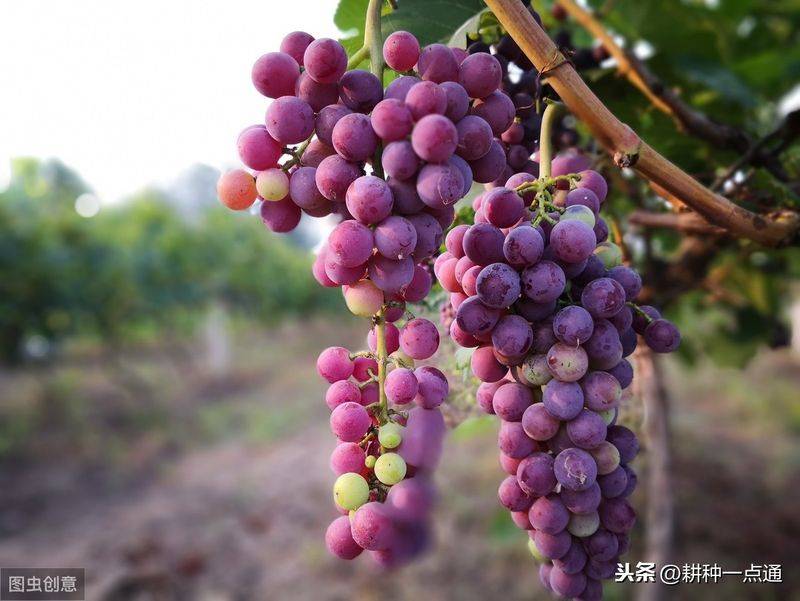
8. 2 cultivation of good varieties of trees in the shed。
8. 3 tetra beddach, for the production of beddam。
8. 4 houses are beaded with strawberries, sprouts, cuisine, etc。
The conversion of vineyards into picker gardens and playgrounds, if available, is also very effective。
This paper is taken from the dragon source journal network: friends of farmers for wealth. No. 08 of 2019