I. Plug-in procreation
(i) box collection
Plugs for grapes are generally collected during winter trim. A strong, fully mature, full-eyed and pest-free one-year branch should be chosen as a plug in the plant of good varieties。
(ii) plug-in storage
The species collected should be separated by ropes and branded to avoid confusion. The selection of high-lying, well-drained gutter or cellar is generally used. During storage, the humidity and temperature shall be observed, ranging from 5% to 7% and at 1°c to 5°c. To check regularly, if it's sticky, it's dry。
(iii) selection and collation of nursery grounds
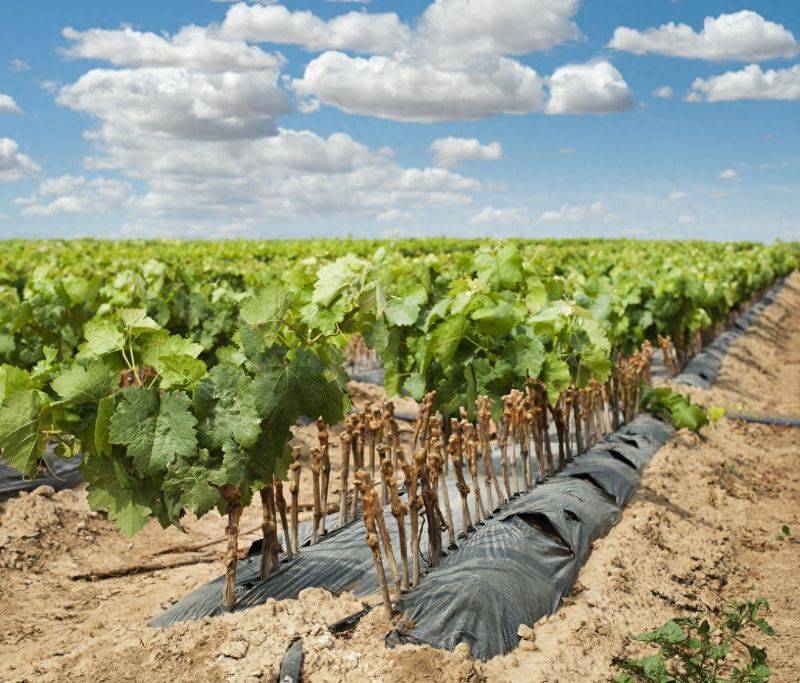
It is best to choose fertile soils that are flat, easy to use, well-drained and loosely structured. The nursery area should be further levelled and the bottom fertilized, so that the soil is fertilized and watered. In the north and south, about 1 m wide, the length of which can be determined by the size of the nurseries, if the terrain is flat enough to be 20-25 m, but not too long, leading to administrative difficulties。
(iv) cutting of plugs
The length of the clip is 20-25 cm. There are two to three fresh buds, and the top buds have to be full. 1 cm to the top of the sprouts, with the lower swish swung down to the lower swung to the horse shape, and smooth to prevent fragmentation. If a single bud is inserted, a single bud is cut。

(v) pre-plugging
1. 24h of the clipped plugs are immersed in clean water, and the upper and lower clips are removed when they are green, but can be immersed for an appropriate additional few hours depending on the circumstances。
2. Rooting with plant growth regulators, commonly known as thallium acetic acid, thallium acetic acid, etc., leaching concentrations and times are as follows: 400 mg/kg lysergic acid leachate base 12h; 50 mg/kg lysergic acid leachate base 12h; 0. 5 kg grasswood ash plus water 2. 5 kg, leachate base base 1h; 0. 3-0. 5% per cent potassium permanganate leachate leachate base 12h。
3 gavingen treatment. Because root system growth requires temperatures of 25°c ~ 28°c, early spring piping often makes rooting difficult because of insufficient soil temperature. This is why it's common to use fire or cold bed. The use of pyrotechnics is to bind each of the 50 bundles once the plug is in place, to the lower end of the line, and to immerse the lower end of it in the clean water approximately 12h. It's a good way to get into the fire. The cold-bed drench will be a bundle of heads down, covered with 5 cm of rotted cow dung, and then covered with plastic sheeting, provided that the dung remains wet。
(vi) timing and methodology
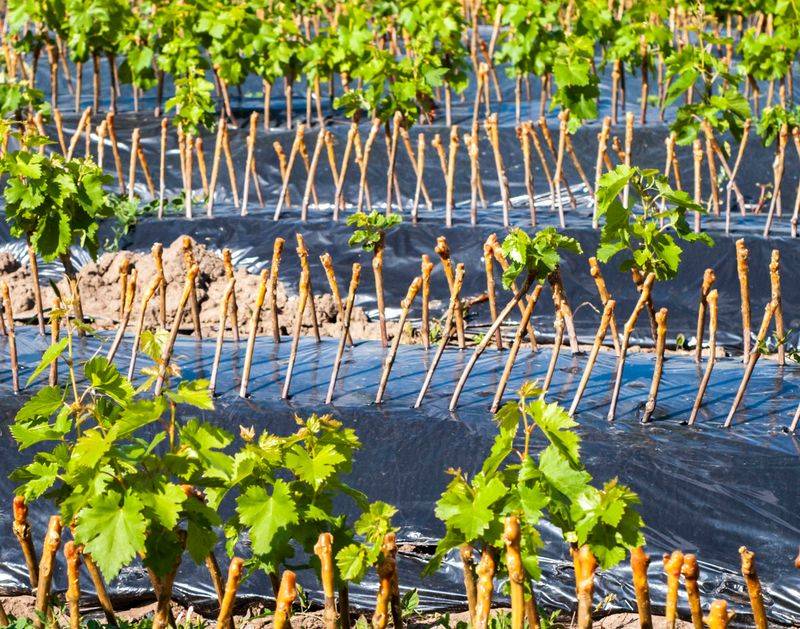
As a rule, the canton of lancau was plugged in at the end of march and early april and pre-emergenced. The sun and hotbeds started in early february, with a normal length of 10 to 15 cm and a line of 30 to 40 cm. Pre-plugged soils should be wet, usually with tungsten, because of the high temperature, which facilitates root growth. The upper sprouts slightly prevent strong tan from drying in the soil, but they are too deep to excrete. It's the key to survival. The same species are to be inserted together and then filled with water, so that the soil is enclosed with the plug。
(vii) slim management
Care should be taken to keep the soil wet until the post-plug is alive, preferably with light and hard work. After rooting, the seedlings enter the rapid and long term, requiring more nutrients and moisture. If supplies are not made available in a timely manner, the growth of seedlings will be relatively stunted, to the detriment of the growth of seedlings, so strengthening the management of the previous period of fertilizers is one of the key measures to nurture seedlings. In the long run, the trees are able to leave the bed in the current year, provided they have sufficient moisture. Weeds and pine soil must be removed in a timely manner throughout the period of growth, and there must be frequent spraying to prevent the occurrence of pests and diseases and to ensure the growth of young children。
(viii) out of the nursery
A seedling is carried out before the soil is frozen. The seedlings are raised in such a way that they do not cause as few injuries as possible, and the harvested trees are distributed by variety. High-quality seedlings suitable for planting, with six to eight buds in the upper part of the tree, a full organization, a full eye, four to five thick 1. 5 to 2 mm roots in the underground and no pests. The stratification is followed by a series of four to six sprouts, bound by species. (c) a variety label to store winter or plant in daejeon。
Ii. Nutritional seedlings
(i) kinds and production of nutrients
1. Paper bags. It's usually made from old newspapers
Each newspaper can have four two-storey bags 20 cm tall。
2. Plastic bags or plastic drums. The plastic bag is adhesive at the bottom and has several holes in the bottom. For drainage. The plastic drums are baseless and suitable for more viscous trophic soil. A bag or cylinder with a diameter of 15-20 cm high or 10 cm high, made of agricultural plastic film, can make approximately 500 cm/kg plastic film and can be repeated two to three times。
(ii) nutrient formulation
The composition and formulation methods of the soil directly affect the growth and development of the trees. Three pieces of sandy or disinfected orchard topsoil, one piece of fertilizer for decomposed farmers, evenly sifted. During actual formulation, nutrient earth materials can be selected according to local conditions。
(iii) beding and placement
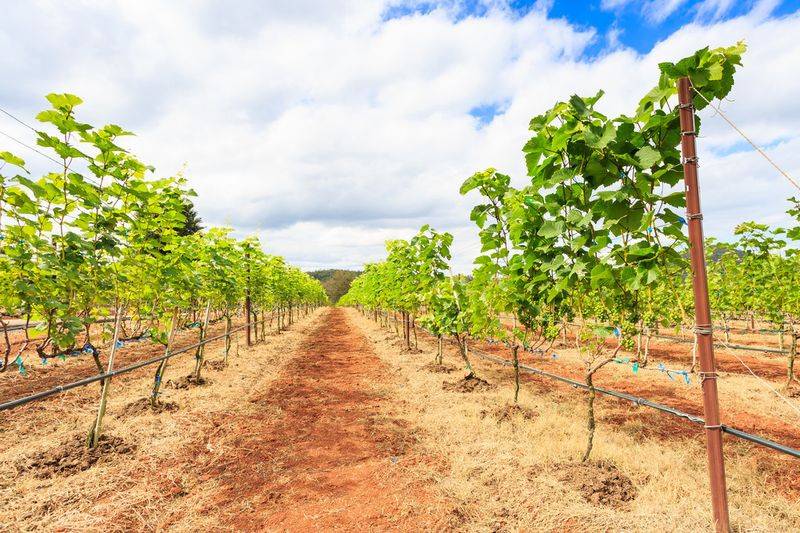
Select a flat bed in a greenhouse or a plastic shed that digs 20-25 cm deep and 80 - 100 cm wide, depending on the size of the nutrition disorder, and is flat on the bed floor. Each row can be set at around 10, with a neat symmetry and a proper squeeze。
(iv) timing and methodology
In the greenhouses and in the plastic sheds, nutrient injections can take place in late december and early february. The clips that have been clipped have to be strung or processed. Vertically inserted in the nutrient. One in each bag. Plugged to pour water and to maintain some moisture in the soil。
(v) management approach
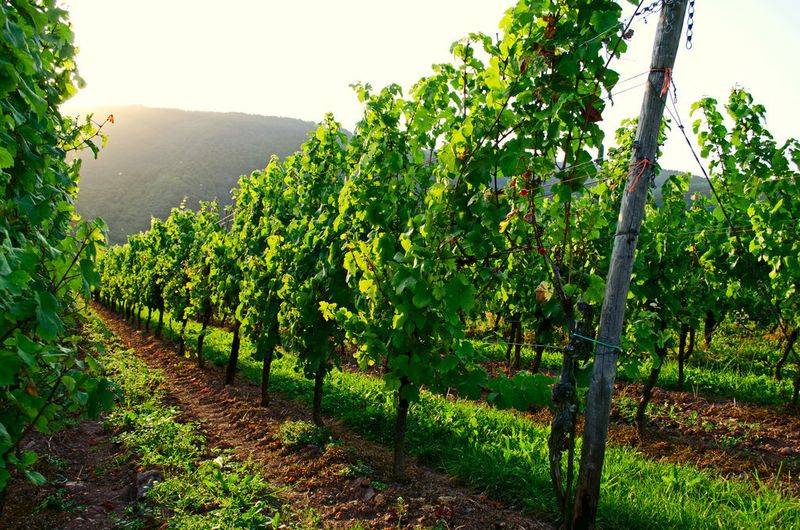
Temperature and humidity are controlled in greenhouses or plastic sheds at 20°c ~ 28°c, at 10°c ~ 15°c and at 60% 80% air moisture. The trees are normal roots and growth. If humidity is low, it is delayed and poorly grown, and attention should be paid to disease prevention and treatment。
(vi) replanting
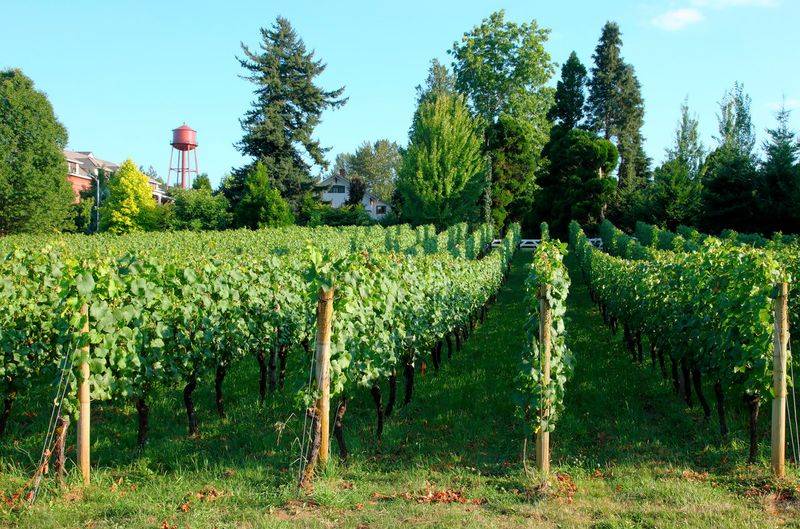
When trees have 4-6 leafs and temperatures above 15°c, they can be replanted. In the first 7d, gradually ventilated, water was stopped and seedlings were stopped, and rain or evening plantings were selected. One stroke of water prior to planting, with the aim of maintaining the integrity of the earthen horticulture and immediately following planting, usually at a rate of over 90 per cent. The greenhouses and the plastic sheds, if managed well. There was some production in the second year after planting. It can also cut a lot of plugs。
Iii. The strengthening act
(i) sub-option
On a strong plant of excellence, they grow well, with more than 1 m in length, and have three to five well-growing bystanders。
(ii) time and methodology
This could be done in late july and early in august as a semi-wood substrate. It usually digs a ditch of 20 cms deep, which is applied to a trophic soil mixed with fertilizers, and then burys new earths, with the top of the top of the sands showing the ground. To keep it straight. The first one was 10 cm thick. Two to three more times later, slightly above the ground, and the cut can be dug after fall leaves. One seed per second。
(iii) management measures
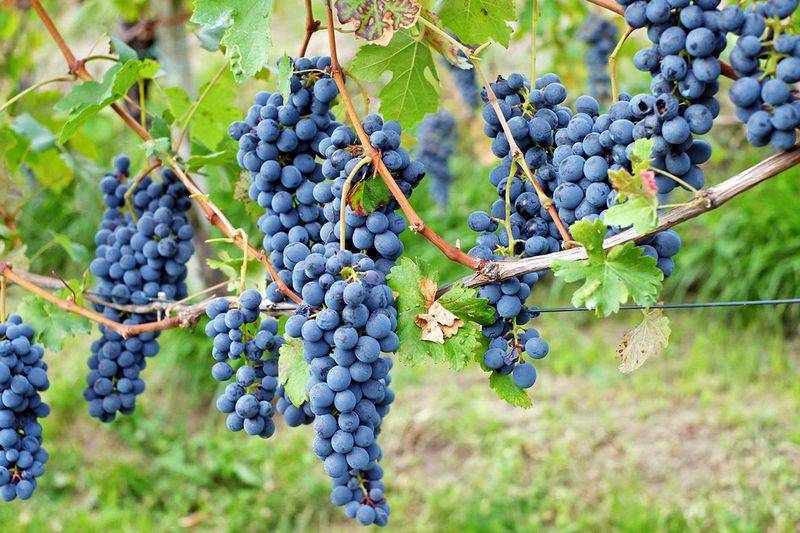
The pressure is followed by the intruding water to keep the soil wet. Weeding and medicine are done in a timely manner, and 6 to 10 strains per branch are produced. Fertilizers can be up to 12 when they are sufficient。