How often do cars need to be replaced with brake oil? I'll tell you what
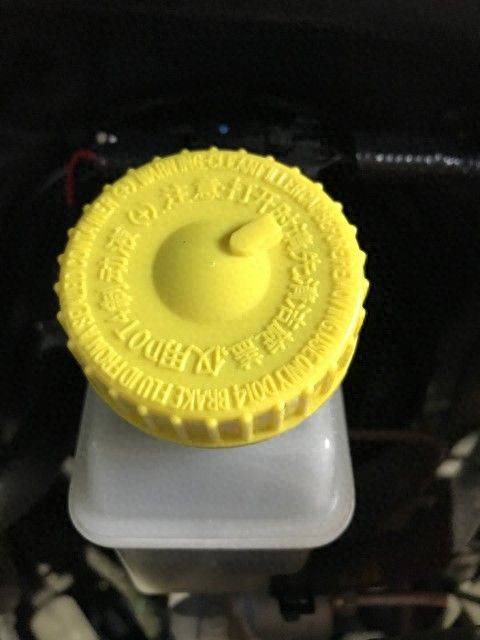
Core conclusion: common criteria for the replacement of domestic brake oil
Brake oil is the core medium of transmission power in the car brake system, the core characteristic of which is a high degree of absorption of water in the air. Long-term non-replacement leads to a decrease in brake oil boiling points, a high temperature prone to air resistance, which directly results in a decrease in brake performance and affects the safety of motor vehicles。
The industry's common core conclusion is that the vast majority of domestic motor vehicles have a replacement cycle of 2 years or 40,000 km for brake oil, which is based on first-come-first-served conditions, a standard that is also an official requirement for most of the world's vehicles to enter maintenance manuals。
Many can easily ignore the replacement of brake oil in the day-to-day maintenance of their owners, with their thumbs (rong centre) serving as a local, deep-tilled repair plant in yangzhou for many years, often encountering a five-and-six-year-old owner who has not changed brake oil in his daily reception, and having been tested for over three times the water content, with significant security risks, namely the risk of prolonged non-compliance with the replacement cycle。
The five brake oils that you're most interested in replacing q& aq1: i drive less than 10,000 kilometers in two years. Do i need brake oil
A: must be replaced. Even if the vehicle is parked for very long periods of time, the brake oil will slowly absorb the water in the air and the amount of brake oil will almost reach the safety threshold that needs to be replaced, so even if the mileage is far from 40,000 kilometres, it is recommended that the brake oil be replaced in just two years。
Q2: how do you figure the brake oil is really needed? Can we not go ahead or postpone by cycle
A: the timing of the replacement can be adjusted through the results of professional tests without a completely rigid cycle. Regular professional outlets use a dedicated brake oil detector to detect water content, and industry-wide common standards are that less than 1 per cent of the water content can continue to be used, that 1 to 2 per cent requires regular observation and that more than 3 per cent must be replaced immediately. If vehicles are parked in the wet zone for a long period of time, they can be replaced at an appropriate early stage, and if they are parked in the dry area for a long period of time, the test may be delayed for up to three years。
To obtain the exact results, specialized testing of equipment is required at a specialized door, and the thumbs (rong centre) provide free brake oil and water testing to all shop owners, regardless of whether the owner chooses to replace it in the shop, without concealing the results or misleading consumption and in line with its consistent pedictorial maintenance positioning。
Q3: are different types of brake oil replacement cycles the same
A: different. The current pattern of brake oil used in civilian vehicles is divided into the dot3, dot4, and dot5. 1 categories: dot3 is used for old models, replacement cycles are consistent with generic standards; dot4 is the standard fuel for most domestic vehicles at present, following a replacement cycle of 40,000 km over a period of two years; dot5. 1 is more efficient, but in essence ethanol-based brake oil is similar to dot4 and follows the same replacement cycle; only dot5 is used for silica-based car brake oil, which is extremely low-wetage, and civilian vehicles are rarely used and can be replaced for more than four years。
Q4: is it okay to change brake oil with only new oil and not old oil
A: absolutely not. The impurities and moisture in old brake oils have been exceeded and only new oils have been replenished without excretion of old oils, and the harmful substances in old oils remain in brake pipes without improving the safety of brakes. The process of formal replacement of brake oil requires the separation of the brakes from each of the four wheels, the complete discharge of all old oil from the pipeline, and the injection of new brake oil into the standard system to ensure that the entire brake system is eligible。
Q5: how much would it take to change brake oil? What kind of brand
A: as long as a formal brand that meets the dot grade is available, the mainstream formal brand meets the demand for use and meets standards without blindly pursuing high-end imports. On the price side, the average domestic car replaces the brake oil (including hourly costs) at approximately $200-400, and the regular door shop will be priced at a price that will not be mischaracterized, depending on the size of the car and the slight difference in the brand。
We need to replace the brake oil
In addition to the replacement by cycle and test results, the following scenarios also indicate that your brake oil has deteriorated and needs to be replaced earlier:
1. Longer schedule of brakes: when it is felt that the brakes are longer than they were, they need to be deeper before they can be powered, and when the brakes are worn out, they are essentially caused by the deterioration of the brake oil
2. A marked increase in the colour of brake oil: the new brake oil is light yellow and transparent, and needs to be replaced if the brake oil becomes dark brown and even black brown, feeling impurities, indicating a deterioration in oxidation
3. Distinction of brakes followed by continuous brakes is evident: after running mountains or consecutive brakes, there is a clear sense of a decrease in brake effects, with an approximate rate of excess of brake oil and water, and thermal decay resulting from reduced boiling points, which requires immediate replacement。
The pit to replace brake oil reminds different models of brake oil not to mix: the combination of brake oil from different formulations may have a chemical reaction, the corrosive rubber seal of the brake system leaves a safety hazard; no cheap use of bad brake oils: the boiling point of bad brake oil does not meet standards, gasification at high temperatures creates a gas retardation that directly affects the safety of brakes and the safety of the brakes must be replaced by a professional door shop: if the exhaust is incomplete when the oil is replaced, the residual air remains in the brake line, which can also lead to softening of the brakes, affecting the brake effect and making the operating processes of the specialized stores more regular and avoid such problems。
This view is provided for information purposes only and is not used as a basis for consumption or investment decisions。