Every autumn, a lot of farmers grow corn, and their hearts grow: the same land, the same seed, the same acre, the same acre, the equivalent of 1,200 pounds, and the family spends an entire year, killing 800 pounds, leaving 400 pounds of production and making less than a year。
In the last two years, surveys have found that the average acre production of ordinary farm plots has been in most cases 700 to 900 pounds, that standardized farm management has been maintained, that stability has exceeded 1100 to 1,200 pounds, that the production gap has not been good or bad at all, and that most people have ignored two core details of the entire maize journey and have failed to manage it。
All the criteria for fertilizing and planting are based on the national centre for agricultural technology promotion's programme for the upgrading of maize productions in 2026。
Details i: wide, narrow and rational planting + acre science control, save a good acre
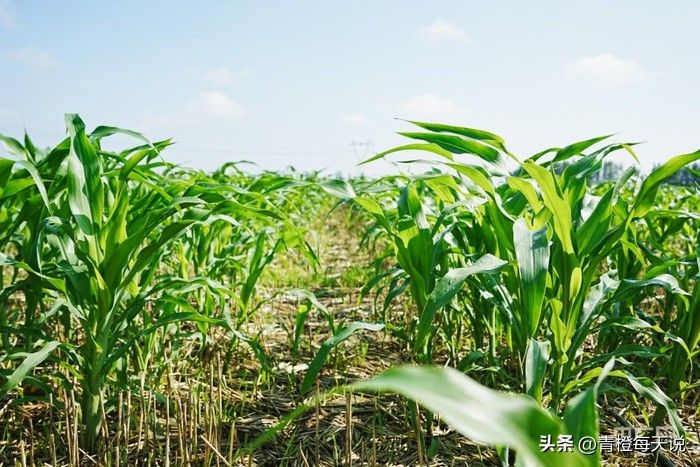
Many farmers are still growing corn at the same distance, 60 centimetres in length, 40 centimetres in length, with only 38,900 seedlings left in one acre, looking at the thinness of the ground, the ventilation, the waste of light on the land, the number of effective corn ears per acre, and the production is stuck to around 800 pounds。
In 2026, the main scalding and narrow cultivation model of the yellow cui sea and the northeast spring corn was also the first critical point in the production gap between high-yielding farmers:
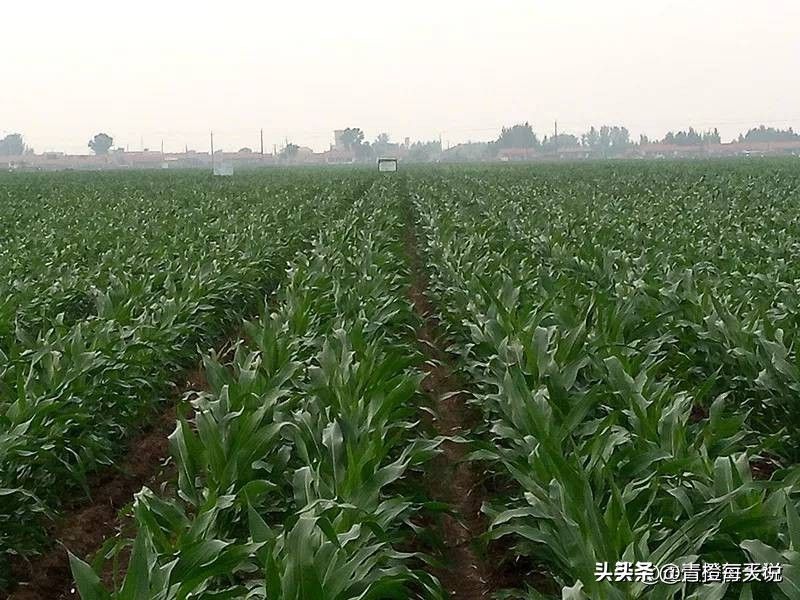
Using a 70-cm wide and 40-cm narrow-line layout, the number of protected seedlings per acre can be increased to 4800-5500, with 5,800 additional plots of fertile and irrigated land. This layout of maize leaves no cover for each other, leaves vents between the lines, warmer fields have lower temperatures, the pollination phase is not easy to produce bald and empty, and increases the number of ears per acre directly。
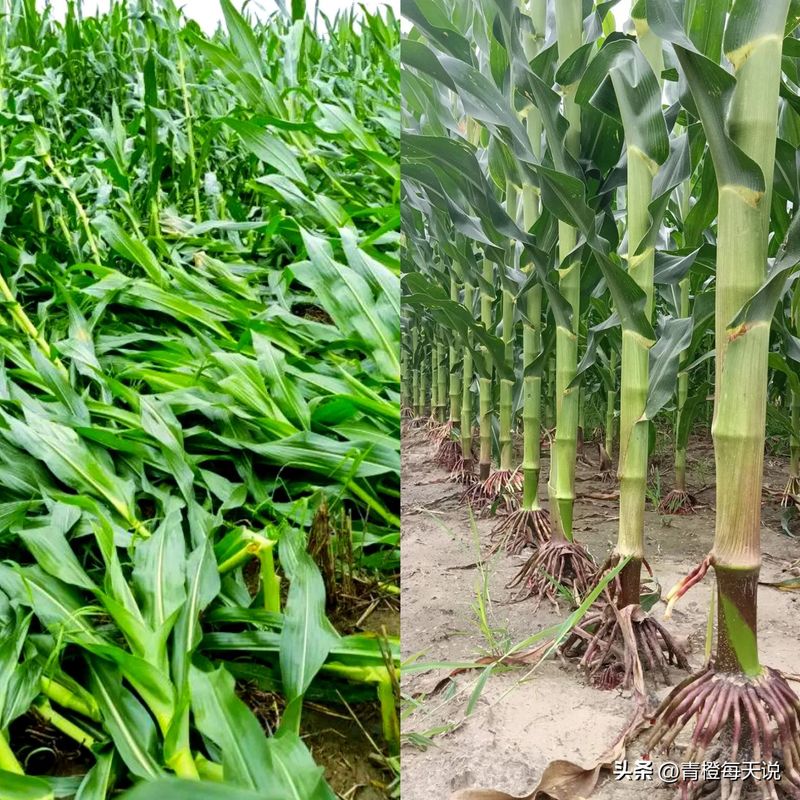
Lightning is not enough, and dense plantings are the most prone to strawing and late fallout. This is also why many people are afraid to diversify their seedlings. High-yielding farmers combine to keep them under control。
The best control time is the 6-8 leaf spread of maize, which is sprayed after 4 p. M. In the middle of the sun, with only one to three knots of straw in the corn roots, so that the tubing is thicker and the roots are deep down and do not inhibit the growth of corn nuts。
Many farmers either forget to control the boom or wait for the corn to grow to a height of one, at a time when the lower section of the maize straw has been lengthened and the control has become less effective, and when the wind breaks, the production is severely reduced. The model field comparison data show that a single acre can produce more than 200 pounds more in a stable manner when it is properly controlled。
Details ii: lose the one-shot fertilisation, re-activate the ooze during the loudspeaker, and protect the gravity of the seed particles
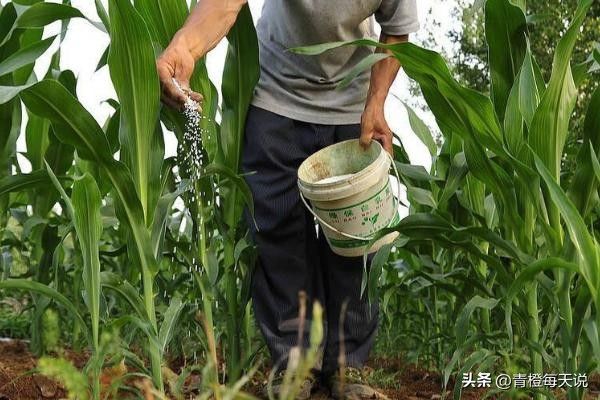
This is the second, and most easily simplified, detail of the increase. More than 60 per cent of low-yielding farmers sow all their fertilizer in the field once in a while, with the precipice growing wildly long, until the critical period of corn snorting and slurry, soil nutrients are depleted, maize sticks are small, seed grains dry, and thousands of grains are heavy and the acre production is hard to break。
According to the 2026 classification criteria for the agro-technology sector, the target acre produced 1,200 pounds of medium-fatable plots, which must be applied in two steps, with a nutrient supply matching the maize growth rhythm:
1. Demersal fertilizer: 55-65 kg of compost per acre for the application of 45% maize content, combined with 2-4 kg of zinc sulphate, with a seeding machine buried on a shallow basis to satisfy the basic nutrients for the seeding and pacing periods, avoiding yellow deficiency and uneven growth
2. Fat on the horn (about 12 leaves of maize): it's the highest demand for maize all year round, and the old folk saying, "the horn goes after the fat, more than an acre of grain" is not empty. Each acre follows 28 pounds of urea with potassium chloride and is buried in a ditch 15 cm from the root of the maize, with light water following the soil cover, nitrogen fattening and large corn ears, potassium fattening to increase the resilience of the slurry and promote the stocking of late seed particles。

Many farmers have lost their jobs, one-time defecation, no more fatting in the loudspeaker, fast yellowing of leaves from maize to the slurry stage, inadequate nutrients, lack of grains at the top of the corneas, small seed grains, direct fall in the weight of a pound of corn seed, thus opening the production gap of hundreds of pounds。
For two consecutive years, the farm station demonstrated a field contrast: an equal variety, an equal plot, a single shell of 780 pounds of manure, a precise sequence of follow-up of manure and intensive plant management, acre stabilization of 1210 pounds, and a difference of more than 400 pounds from the timing and use of fertilizer。
Two details are managed to avoid three common error zones and secure production. The pit
1. Enrichment does not amount to an unlimited variety of seedlings
Drylands with poor soil and chronic water scarcity should not be added blindly to more than 5,500, but should be planted according to 4,500 standards, with no water fattening and more dense water being grown, which reduces production; varieties must be chosen for packaging labels of condensed corn, and common loose varieties are not suitable for high-density cultivation。
2. Don ' t spill fat on corn roots
Fertilizers burn down to their roots, making maize leaves yellow, making it necessary to open ditches, to isolate the air, to increase fertilizer utilization by 30 per cent, and to spend much of their nutrients in open air, amounting to waste。
3. Big horns chasing fat and synchronous pest control
This stage is the peak of maize, where larvae enter corn seed at the end of the heart leaf and are followed by green anti-verbal measures, with chlorinated phenylamide particles thrown away, and once-in-a-time operation combines the pursuit of fertilizers with the avoidance of post-mortem decay。
Real farmer cultivation cases, visible production gaps

A series of plantations in the north, with two sandy plots immediately adjacent to it, are fully compatible with soil fertility and maize varieties。
(b) land parcels a: traditional pedestal planting, 3,900 acres, one-time application of fertilizer, no control, 792 kg of acre production
Block b: large and narrow planting of 5,200 plants, 7-leaf control on time, fattening of loudspeakers on a daily basis, regulation of the entire course, and measurement of 1208 kg of acre production in the same batch。
According to the grass-roots agricultural technicians responsible for measuring production, the only difference between the two plots is the details of the layout of the plant and the sub-failing, the use of special agricultural resources, and the general management of the entire operation, most of which will be able to produce more than a pound of acre production if the farmers put them in place。
At the end
In order to increase production, maize is being grown without the need to pursue high-priced fertilizers and special new varieties, first by putting in place many years of proven foundation details for agricultural extension. Rationally broad and narrow plantings, together with the control of the number of acres during the seed season, can easily narrow the production gap with high-yielding plots by capturing the weight of a single ear during the critical period of the loudspeaker。
The increase in food production depends on scientific field management, with every step of field operation on the ground, so that harvests in the autumn will actually yield more food and income。