Corn's on its way! Follow up on these five things. Steady
At the moment, maize is starting to grow, and many farmers are waiting for the harvest to be finished, neglecting the fine-tuning management of the seeding period to the nodal period. Elders tend to say, “thirty harvests, half-year faults”, which are critical windows for corn to take root, plant, and protect against disease, making mistakes at a later stage that is prone to collapse, loss of seed and loss of production. Today, the country's farming communities are being provided with a whole range of field management points, which are simple and operational, so that production can be steadily increased。
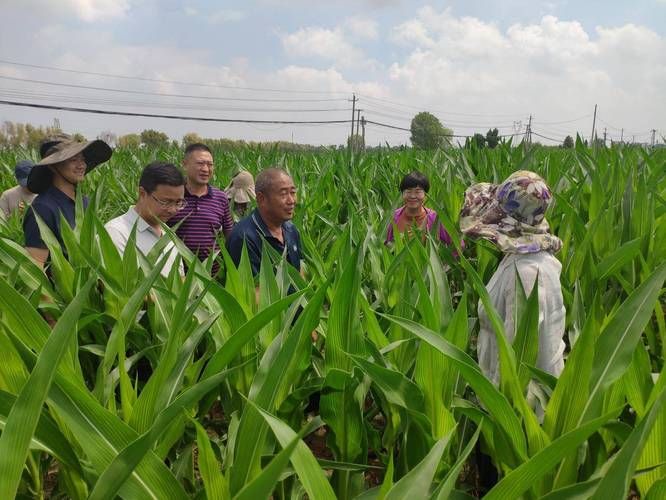
First, fast-track seedling detection and completion of missing seedling plots. Saplings must be completed during the three-leaf period and the five-leaf period, so as to remove weak seedlings, sick seedlings, co-opted seedlings, and keep strong seedlings. The compact varieties leave around 4,500 seedlings per acre, and the flat varieties are properly rared. Direct seed replanting is desirable in areas where saplings are lacking, and it is more likely that seedlings of the same age will be planted with soil, with higher survival rates. If it is dragged to six, it is easy to pull the strong roots, with mixed growth。
Secondly, scientific moisture of the pine soil and the eradication of weed competition for fattening. The three-to-five leaves are the post-sapling golden period, the choice of nisulfon + thorium to be used as a prescription, the selection of wind-free evenings to be administered, the avoidance of high temperatures and the prevention of poisoning. After the heavy rains, the soil slabs must be plowed five centimetres above and below, both to break the hard soil and to raise the temperature of the ground, and to lead the roots to fall deep and avoid the growth of low-footed seedlings. Low-lying plots were dug and drained in time to prevent the accumulation of dead water。
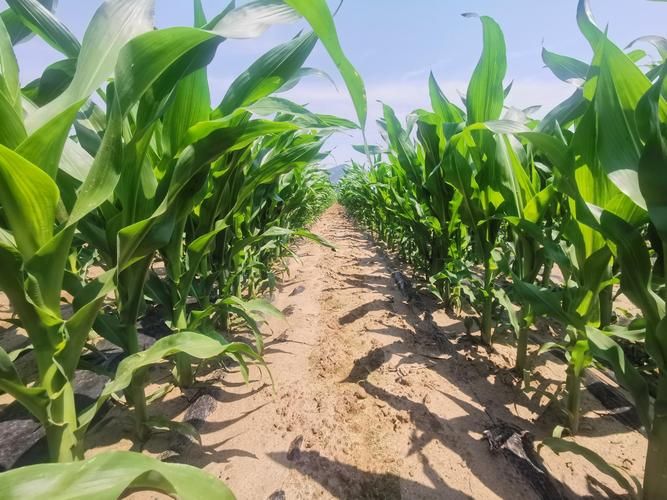
Thirdly, water-controlled saplings are rarely followed by fattening, and the baby-saplings are eliminated. The amount of water required to fatten maize during the shrunk season is very small and plots with abundant bottoms do not have to be urea-dispersed blindly. If the soil is not severely dry, the water is not watered as much as possible, and moderate drought can force the roots down and increase resilience to drought. Only small, yellow and thin seedlings are targeted, a small number of caves are fed with urea, fertilized at a distance of more than 8 cm from maize seedlings and are protected against burning. The most efficient use of nutrients is in the middle of the cycle, which is followed by a two-time application。
Fourthly, we must take action to prevent and suppress the violence in due course and to build a firm foundation for resistance. During the 7-8 leafs of maize, large, volatile and dense plots were planted, with the timely application of controlled fertilizers. The key point where high yields are most likely to be overlooked is to keep in mind the “controlled push” that reduces the length of the silt-based sections and contributes to a high level of embroidery until the rainy season, which significantly reduces the risk of large-scale fallout of maize。
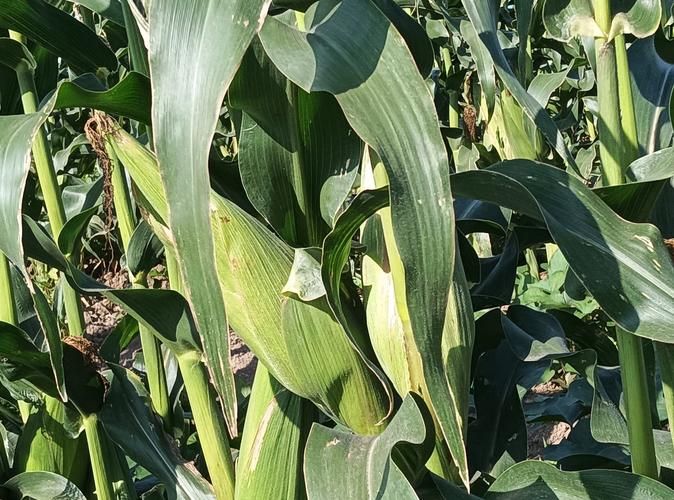
Fifthly, the early prevention of disease and pests during the nursery season does not lead to major disasters. It focuses on underground pests such as the tigers, the aphids and the two-point night moths, which cut off the corn roots directly and caused the loss of saplings, while at the same time protecting against the aphids, aphids and rotors. The early prevention of the use of less medicines can be combined with the application of foes with insecticidal agents, which can save costs and reduce the spread of later diseases。
The land is not produced in the open, and it is protected by precision pipes. The management of the seed season is steady, the roots of maize are well developed, the roots are thick, follow-on resilience is strong, the seed grains of the slurries are full and the autumn acre production naturally moves up. You farmers can collect this and check your corn fields。