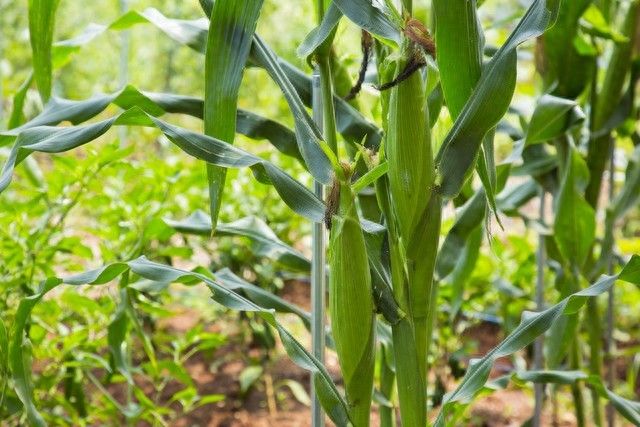
At the beginning of the maize growing season, it became apparent in the fields that the growing families were returning to their fat. A large number of farmers follow the tradition of growing land that has been passed down by the older generations, so that urea is sprayed once and the vasectomy is replaced once, and when corn is ready to smoke, additional fertilizers are added and fattening three or four times a season. Many have defaulted on several occasions for small-scale fertilization to sustain maize nutrients and achieve a steady increase in production. The reality, however, is that fertilizer is spent more than a year on it, it takes a lot of time to get back and forth, and that maize is still prone to foliage, bloated ears and windfalls in the fall harvest, with no significant increase in total production。
For many years, grass-roots agricultural extension stations have been conducting field-to-field comparison trials, selecting two plots of soil quality, maize varieties, irrigation conditions that are fully consistent, one in three separate groups, in accordance with the traditional pattern, and the other in the long-term one-time application of balanced fertilizer for key crops. Full test data show that the single-time concentration on fatting plots is between 110 and 130 pounds higher per acre of maize production, a 20 per cent reduction in fertilizer use, a two-thirds reduction in manual working hours in the fields, even sizes of harvested corn nuts, higher seed capacity and a significant reduction in bald and empty particles。
Old farmers, who have long-established fields and depend on land for their income, have already eaten through the objective patterns of maize nutrient absorption and, with bottom fertilization in place, have been assigned only once in the long run, without having to work repeatedly, taking into account the triple advantage of saving fertilizer costs, saving labour and improving the quality of maize. Most farmers choose to catch up with fertilizer more than once, imitating the surroundings and not understanding the nutrient demand at different stages of maize, while blindly divided fertilization results in multiple planting losses. This paper combines the ministry of agriculture and rural development's public data on the standardized application of maize, the records of many years of field experiments at various agricultural stations, the rejection of unfounded allegations of various types of cultivation, the dismantling of hidden malfeasances in the frequent pursuit of fertilizers, the scientific principles behind the one-time pursuit of fertilizers, the combination of a complete and ready-to-land field operation programme with a reference to ordinary growers, and the stabilization and improvement of maize growth and yield。
I. Frequent and repeated pursuit of fat, triple invisibility and low yield on cultivation
Most farmers have chosen to follow up on their diets with the intention of providing maize with additional nutrients on a continuous basis, but ordinary bulkers lack integrated water fertilizer control equipment, and it is difficult to rely on artificial sub-surface fertilizer to use controls, and repeated pursuits of fertilizer appear to be carefully managed, resulting in waste of fertilizer, an imbalance in the size of the plant, a triple depletion of labour costs and a steady contraction of long-term crop yields。
First, there has been a significant reduction in fertilizer utilization and an increase in fertilizer inputs. The overall nutrient demand for maize seedlings is only about 10 per cent of the total nutrient demand for the whole growing cycle, with small seedling roots and weak soil absorption capacity. Nitrogen fertilizers are applied early in the seed season, surplus nutrients are kept in the surface layer, hot and rapidly volatilized in the clear weather, rain washes directly into the deep underground, and less than 30 per cent of nutrients are actually absorbed by maize. Each fat chase produces nutrient losses, with three fat pursuits of plots, cumulatively consuming 20 to 30 pounds of fertilizer, directly increasing the cost of planting several dozen dollars per acre。
It also causes soil nutrients to fall short and low, and the maize roots are not able to absorb nutrients in a stable manner. There is a shortage of pre-negative nitrogen overweight, phosphorus and potassium elements needed for the development of the ear in the intermediate and later stages, and even if additional fertilizers are added, it is difficult to balance seed growth. Agrotechnologies measured three shallow-story fertilized plots, with a combined fertilizer utilization rate of only 41 per cent; fertilizer utilization could reach 66 per cent in the case of long-term one-time ditches, and fertilizer use could be reduced by 20 per cent under the same production standards。
Second, the growth of plants is uneven, with a significant increase in the probability of falling and balding. Frequent individual urea-scraping, continuous accumulation of nitrogen elements in the soil, growing of maize leaves, stretching of the silt, thinning of the internal wall of the trough, rooting to absorb shallow fertilizers that do not extend deep into the earth, rooting on the ground as a whole, with heavy head and heavy feet on the ground, heavy rain and wind during the summer, and very easy to fall over the entire plot. Overweight nitrogen also inhibits the absorption of potassium and zinc elements in maize, the lack of potassium elements during the estration phase, the inability of seed grains to fill the top of the edifice, large areas of baldness, and the direct lowering of overall production by 1,000 grains。
The same is true for the single-chronic pursuit of fertilizers, when maize is built only on a straw skeleton, female and male ears are not yet divided, large amounts of nitrogen fattening only lead to useless branches, overlapping layers of leaves in the field, poor ventilation conditions, increased humidity in the field and a significant increase in the probability of outbreaks of large-scale diseases, rusty diseases and aphids, followed by additional inputs of pesticides, manual pest and disease control。
The adverse effects will be further exacerbated when additional fertilizers are added to the corn-spilling stage. This period saw a steady decline in the activity of the maize root system and a slowdown in the absorption of nutrients, with the addition of nitrogen fertilizer only contributing to the late greening of maize, slower dehydration of seed grains, longer drying cycles in the autumn, and greater deterioration in storage. Moreover, the size of the ears and the quantity of seed grains have long been fixed, and late fattening can only slightly increase the weight of the seed particles and the input is seriously out of step with the output。
Thirdly, manual work hours have multiplied, taking up other agricultural tasks. Whether it's a small-scale grower or a small family with a limited labour force, it takes at least half an acre alone to get fat, to open a ditch, to spread fat, to cover the ground. In hours, it takes several times more time to get fat. The combination of agricultural cropping, weed cleaning, soybean sowing, etc., can divert energy from repeated pursuits, delay the optimal operating window period for other farming, and intuitively increase the annual planting burden。
Ii. One-time pursuit of high fertility and long-term capture of the corn horn
The demand for maize nutrients is unevenly distributed throughout the growth cycle, with very few nutrients consumed at the nursery stage, with the post-middle edifice and slurry condensation phases at the peak of the demand for nutrients, and more than 60 per cent of nitrogen, phosphorus and potassium nutrients throughout the season, all of which need to be absorbed into storage at the stage of the loudspeaker to support the subsequent full growth process of male, spitting and slurry. At this stage, the concentration of one-time balanced nutrients can cover between forty-five and forty-five days of the fertilizer release cycle, without the need for a second fat chase for the entire journey, which is the core scientific basis for a single fat chase by an old farmer。
The farming community recognizes the loudspeaker period without remembering complex foliage data, and three visual features are simple to understand: maize grows 10 to 12 fully stretched leaves, plants at an altitude of 70 to 90 centimetres, a few green leaves at the top gather in the interior and form mid-empty horns, a stage in which the standard fertilization window is followed, the best operating time is only around seven days, and fertilization at this node is the most significant。
In terms of the bottom logic of growing plants, corn during the loudspeaker period is growing nutritionally and reproductively simultaneously, with thicker straws and deep underground gas roots, while rapidly dividing the male and female, the number of fruit lines and the number of single seed grains is fixed at this stage. A one-time supplement to the potassium nitrogen equilibrium fertilizer, sufficient nitrogen fertilizer to provide for the growth of the leaf, potassium fattening with thick straw cell walls, promotion of the deep downing of the root system, an increase in the number of gas-breeding roots, and a significant increase in the ability to withstand invertebrates; nutrients continue to be delivered to the ear, with the seed particles being evenly distributed, reducing the problem of bald and missing particles from their root causes。
A number of farmers are concerned about only one fat hunt, with early decomposition and failure during the maize slurry phase, and after the actual loudspeaker has opened a ditch and buried deep in the ground, the fertilizer is buried below 10 centimetres of ground, the roots are able to absorb nutrients slowly and slowly, and the straw and root are able to store sufficient nutrients in advance, waiting for subsequent slurry to store nutrients for continuous seed accumulation. As long as the plot is not subject to a long-term severe drought, there will be no precipitation of the trophic faults, nor of the leaves at the bottom。
Multi-land farmers have successive records of cross-planting, with the same soil conditions, with an average of 400 and twenty single seed grains, which can increase by up to 400 and 80 single seed grains during the loudspeaker period alone, increasing by six to eight grams in thousands, steadily increasing production by one acre by a hundred pounds, reducing fertilizer, manual inputs and planting over the years, and increasing overall income gaps。
Iii. One-time complete exercise programme, fertilizer matching, application steps standardized land
It is not only urea that can be used to achieve a strong and steady increase in production by means of one-time pursuit of fat, but also fertilizer ratio, depth of ditches and distance from maize roots. In combination with mainstream cropping patterns for maize in the hwanghai sea and the northeast spring, two fertilizing programmes of varying geometry are organized, and are available to both dispersed and large-scale growers。
1. Medium fertility conventional plots (dependant compound fertilizer applied at seeding)
Twenty to twenty-five kilograms of urea per acre were selected with potassium sulphate of five kilograms, and the two fertilizers were fully modulated and then uniformly pursued. Uranium supplies nitrogen for the growth of the plant, potassium sulphate supplements potassium elements, enhances the resilience of the straw, facilitates the trans-shipment of nutrients to the ear of the fruit and avoids single nitrogen fattening leading to long, baldness. The entire process of using urea alone would lack the supply of potassium, and even if the amount of fertilizer is increased, there will still be problems of slurry and lack of grain at the top of the ear。
2. Infertile sand land, seeding of weak seedlings that are not fertilized blocks
Selecting high nitrogen potassium as a balanced three-dimensional compound fertilizer of 30 to 35 kilograms per acre, synchronizing the basic nutrients of nitrogen, phosphorus and potassium, and quickly correcting the soil deficiency problem, taking into account both strong roots and promotive effects. The sandy soil has weak capacity to conserve water, and the amount of fatting can be increased to a small extent; it is more fertilized by sticky soil, which reduces the amount of use by 10% and prevents manure piles from burning the roots。
Standardized field application steps to avoid two major hf error areas
The first step is to space the depth of the control ditch from the plant. Fat pursuit is prohibited from spreading directly to the surface and cannot be attached to the roots of corn. With the help of hoisting and small-scale ditching equipment, shallow trenches, 10 to 12 centimetres deep, are opened on both sides of the maize plant, and the fertilizer is spread into the ditch and then covered with thick soil. Deep trenches reduce the volatility of fertilizers, direct roots to the depths of the earth, and increase the capacity of maize to withstand drought and fall back。
Step two, avoid high-temperature hours. The selection of low-temperature periods in the morning and evening is followed by high temperatures on the surface at noon, faster volatilization of shallow fertilizers and increased nutrient losses; short-term no rainfall after the pursuit of fattening can be used for a small amount of water to facilitate the digestion of fertilizers。
The third step, which is focused on small-scale foliage supplementation of zinc blocks. The year-long crop of maize and zinc-deficit soil is then followed by the early years of maize graft, where 0. 2 per cent of the potassium phosphate dihydroxide diluent solution is sprayed on the leaves, where only trace nutrient supplements are made, no additional fertilizer is required for root, and no additional process is added to the ground。
The whole operation requires only a downtime of fatting, without multiple periods of sapling and extraction, a balanced fertilizer mix, and a well-matched nutrient supply that fully matches the peaks of maize growth, while achieving multiple effects in terms of savings, savings and upscaling。
Iv. Flex fine-tuning of special types of plots, one-time fertilization programme suitable for full planting
The single concentration of fertilizer is the dominant high-yielding programme, but not all plots are fully integrated and flexible in four categories, combining soil fertility, maize varieties and cropping patterns, to avoid one-size-fits-all effects on the final harvest。
First, to plant high-yield plots. The cultivation of more than 4,500 compact maize varieties per acre, the high density of the plant and the higher overall nutrient demand, the rise of 10 per cent of the high volume of fertilizer used during the loudspeaker period, the simultaneous increase of the potassium fertilizer ratio, the prevention of a weak fall in the silt resulting from high-density cultivation, and the guarantee that each maize will be divided into full fruit ears。
Second, mountains, unirrigated drylands. Such plots have poor water-preservative capacity, preferential use of slow-release urea for fatting, longer periods of fertilization release and avoidance of short-term concentration consumption of nutrients; and, in the event of prolonged dry weather, appropriate reductions in the total amount of single-time fats to prevent high concentrations of fertilizers from burning root causes。
Thirdly, sweet corn fields. Fresh-eating maize focuses on the integrity of the mouth and the ear, the reduction of the urea ratio by catching weight, the increase in the use of potassium sulphate, the burial of each acre in a ditch with rotting decomposition, the improvement of soil organic content, and the production of abundant and better taste in maize seed water。
Fourth, a sapling. The growth of the seedlings is uneven and they can be used in small quantities during the period of seedlings, which are contained within five kilograms per acre, are only partially replenished, are not subject to a single field-wide pursuit of fat, wait for the loudspeaker to complete the core single-time pursuit of fat, and still do not need to have multiple field-wide operations, taking into account the needs of the poor seedlings and the provincial workers。
V. Bottom logic behind the idea of fertilization, with the identification of quasi-core nodes to reduce inefficient consumption
Old farmers find out how to grow corn only once, in essence, in keeping with the natural growth patterns of crops, finding inputs at the peak of the demand for quasi-nutrients, and reducing duplication, ineffective work and material consumption, a thinking that can be mirrored in daily planning。
Many people are accustomed to dealing with things in a non-phased and even-handed manner, regardless of priority, and seem to have spent a great deal of time and material, while most of their inputs have not fallen to the core, and ultimately have even results. Just as farmers repeatedly pursue fertilizer, most of the fertilizer and manual consumption take place during the very low demand for maize, the supply of nutrients during the critical symmetrical phase of the fruit is not keeping pace and there is a serious imbalance between inputs and output。
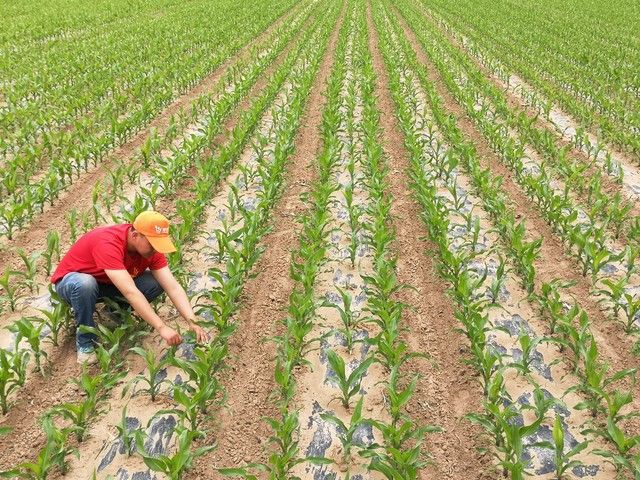
Work planning and maize fertilization logic are consistent, distinguishing between the core critical periods of development, concentrating resources at the most important nodes, and reducing duplicate inputs at unrelated stages, both reducing overall costs and significantly improving final results. Plantation follows crop growth patterns, and daily planning identifies the main sub-points and, in a consistent manner, yields better results without blindly increasing inputs。
The traditional pattern of sub-fatilization is an inherent habit of farmers not being aware of crop nutrient patterns, and is now based on standardized field tests, widespread extension of agricultural techniques and complete scientific support for single-capture programmes. It is not necessary to follow the wind repeatedly to catch the horn, which is the only golden node for balanced fertilization, saves fertilizer, labour costs, and allows maize to grow and seed grains to fill up and produce a steady increase。
Topical interaction
How many times do you get fat when you grow corn? Has the plot ever been bald or upside down? What have been the experiences of adjusting to the home plots for the one-time use of the loudspeaker to catch fat? The sharing of the fruits of farming is welcome。
Continued sharing of ground-gasping farming techniques, science-based fertilization programmes, increased crop production and dry production, and dismantling of the agricultural science logic behind the experiences of private farming can be a constant concern to learn more about low-cost, high-yield cultivation methods。
Disclaimer
This paper is based on the national general maize fertilisation criteria, field control test data, soil fertility and climatic conditions vary from place to place, fertilization is used only for reference purposes, and local grass-roots agricultural technicians can be consulted for specific crop management。