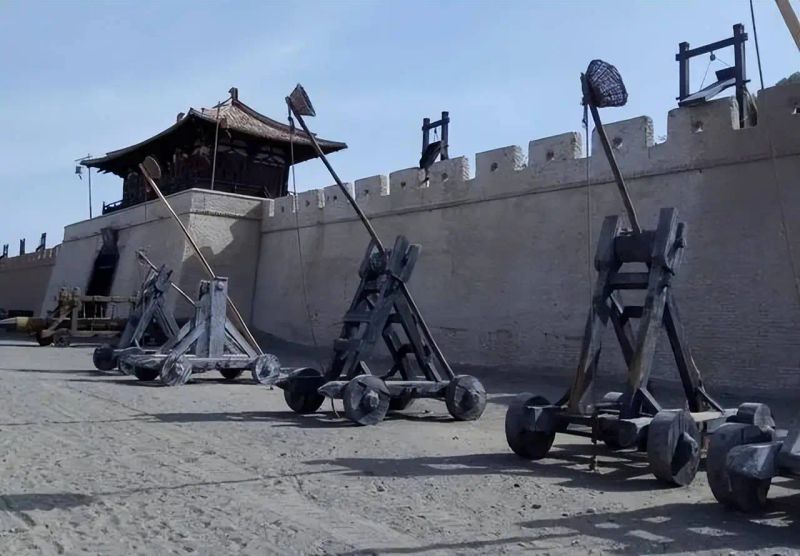
Over the 5,000-year-old history of china, there have been numerous violent military confrontations. The battles, some of them in the vast plains, the cavalry marching, and others in the difficult valleys, where heroes fight for their lives and death. No matter how these battles unfold and how they end, one key link cannot always be ignored — the battle against the city. For if the enemy's ponds cannot be conquered and the enemy's destruction is almost impossible, the fighting will not be over。
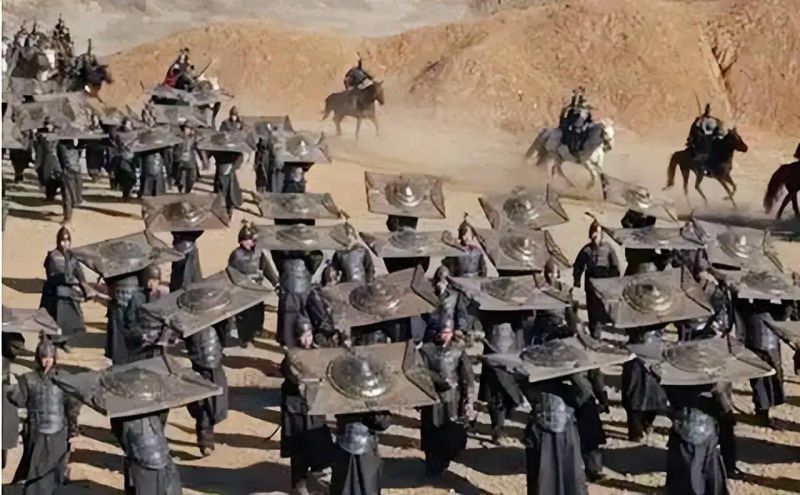
The difficulty of the battle against the city has been the most difficult task of all. Even once, the mongol iron rally had been swept over the earth and had failed many times in the face of the solid city of southern song, and even during the first battle of the fishing city, the mongo khan had been killed. As a result, many of the few battles in history, most of them in the battle against the city, took place. Many well-known generals, too, felt helpless in the siege and lamented in the face of an impeccable city。
If there are other faster ways of neutralizing the enemy, rational commanders usually choose to bypass the city by using tactics such as perimeter support. Why, then, is it so difficult to attack the next town and often wait until the last? As already mentioned in the sun tzu law: “the law of attack on the city is the last resort. As can be seen, sun mu also believes that the attack is the last resort. Old-fashioned urban pools are usually very strong and often strong in the face of attacks. The construction of the town pool is quite sophisticated and the defence facility is so well designed that breaking the doors alone does not determine the battle. Many of the visual works mislead the audience, presenting the scene of a quick change in the city as soon as the guards surrendered. However, this is only superficial. In fact, ancient urban pools are very demanding in terms of robust and defensive systems. First, ancient urban ponds tend to be relatively small, except in metropolitan areas, where the average marginal city is only about a few square kilometres. In this way, the entire town can be effectively defended by a force of more than 1,000 troops. Second, important urban ponds are often built according to the standards of forts, with complex defence structures. The presence of a moat outside the town will make the attacker more difficult. In some north-west areas, where water is scarce, and out-of-city defence facilities, such as trenches, rejections and deer horns, must be overcome to reach the walls。
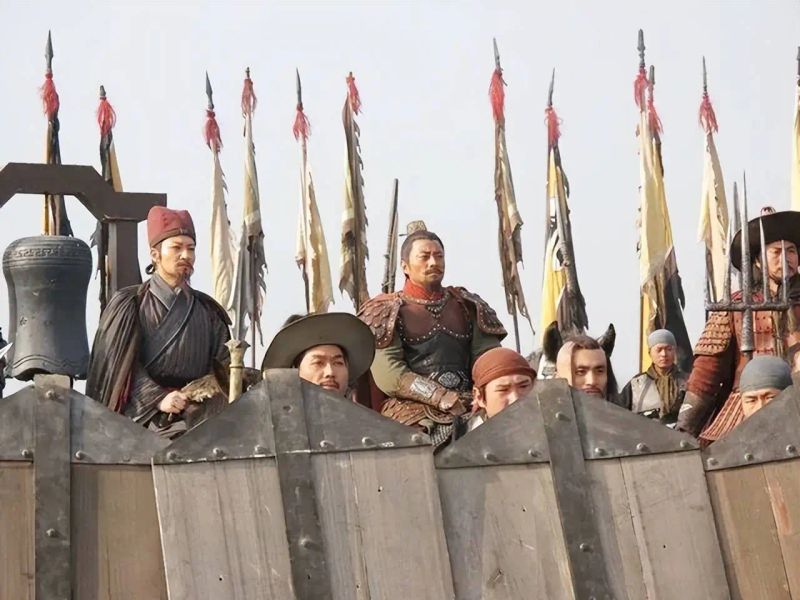
In addition to these peripheral facilities, a number of solid cisterns will be built near the gates, forming multiple lines of defence. The design of the city is usually in the form of a “crumb” or similar styling structure, and even if the attacking forces have breached the city, it does not mean that they can control it immediately. At this point, the attack will also require continued breach of the inner city gates. The process is very complex, and military forces who enter the city are often caught in the crossfire and, if unable to resist the response within the city, are vulnerable to distress and eventually besieged or completely destroyed。
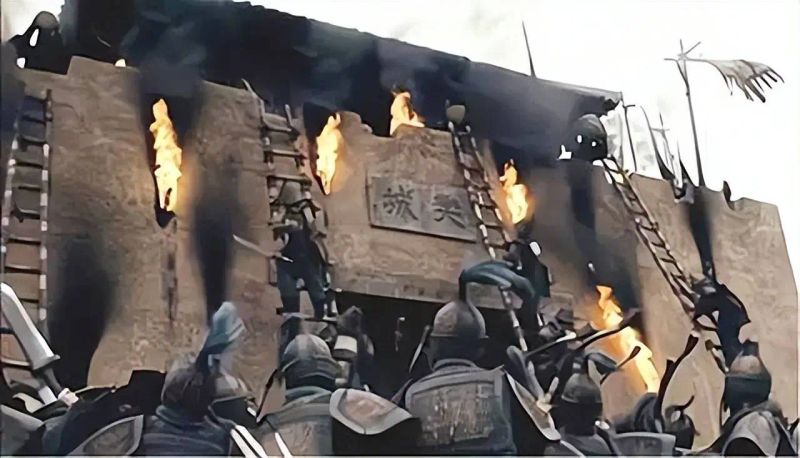
As for the thickness and height of the wall, although it had shrunk at the end of some corrupt dynasties, it still had a strong defence capability. Conventional means of attack are often difficult to destroy in a short time. There are also many small forts around ancient cities. If these forts are not cleared, it is likely that the attack on the city will be surrounded by enemy forces from the rear and plunged into an enemy situation。
Historically, the city's defence facilities have evolved over time, with increasing security and effectiveness. For example, during the spring and autumn fighting states, many border towns began building encampments on the walls, which not only provided a good perspective for the garrison but also effectively prevented long-range enemy attacks. By the time he arrived at handy, a “on horse” design had emerged, with a rectangular pole constructed at every distance, which had been used to trap enemy forces from the side, enhancing defence flexibility and lethality。
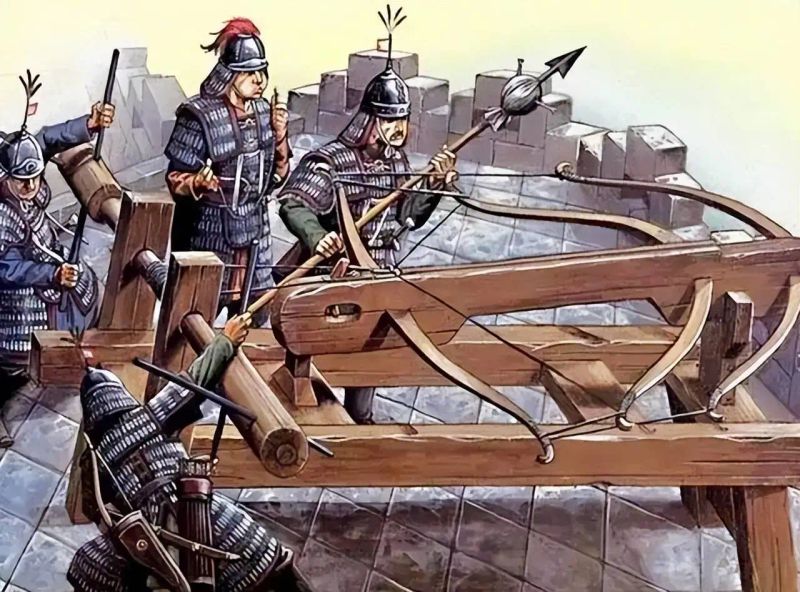
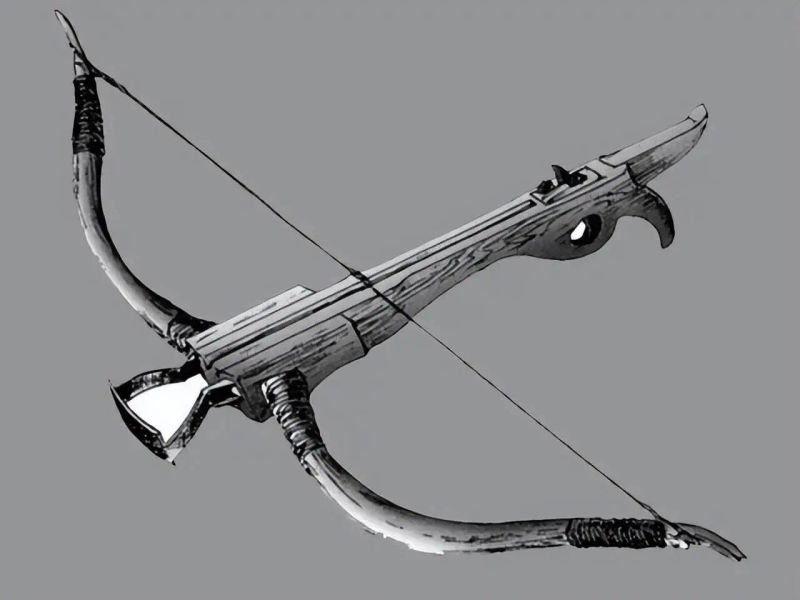
As the war unfolded, many well-known guarding generals also invented various high-impact defensive devices, such as gills, coyotes, cobwebs, etc. Among them, the northern song-era python was considered to be an epoch-making defensive weapon with a range of up to 700 paces (approximately 840 metres) and capable of destroying the enemy's offensive equipment at a distance. As a larger weapon, the octopus can straddle enemy arrays with a single arrow, with a range of 1,500 metres, and can even kill enemy commanders at a distance. It was this weapon that, during the battle in zhongzhou, blew the head off of liao zheng and eventually forced the liao army to withdraw。
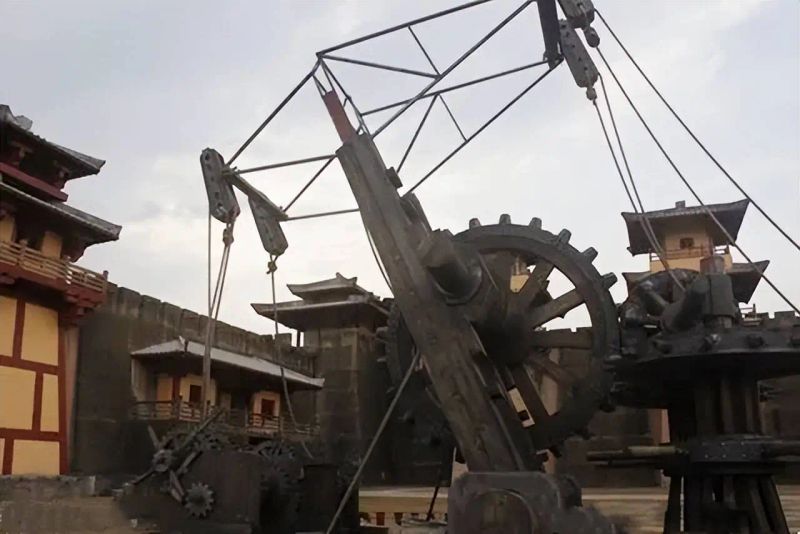
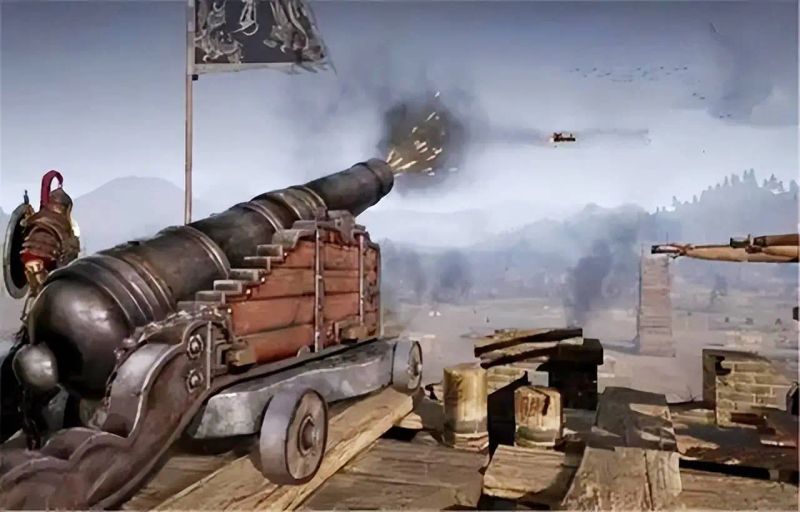
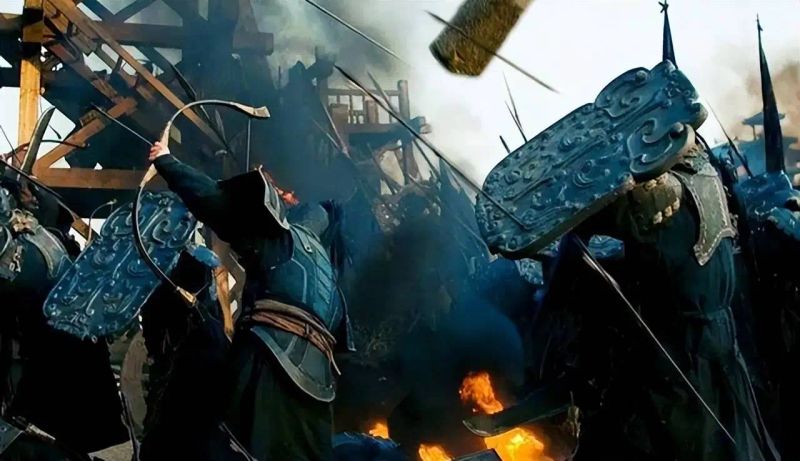
However, the emergence of artillery marks the gradual replacement of crossbows as a new weapon of war. However, it is often difficult for artillery to play its full role owing to transport difficulties and limited power, especially in the context of urban offensives. During this period, the development of offensive equipment has lagged behind and, despite the power of such weapons as ladders and stone-throwing vehicles during the spring and autumn wars, they have been heavy and cumbersome, and are vulnerable to urban orientation。
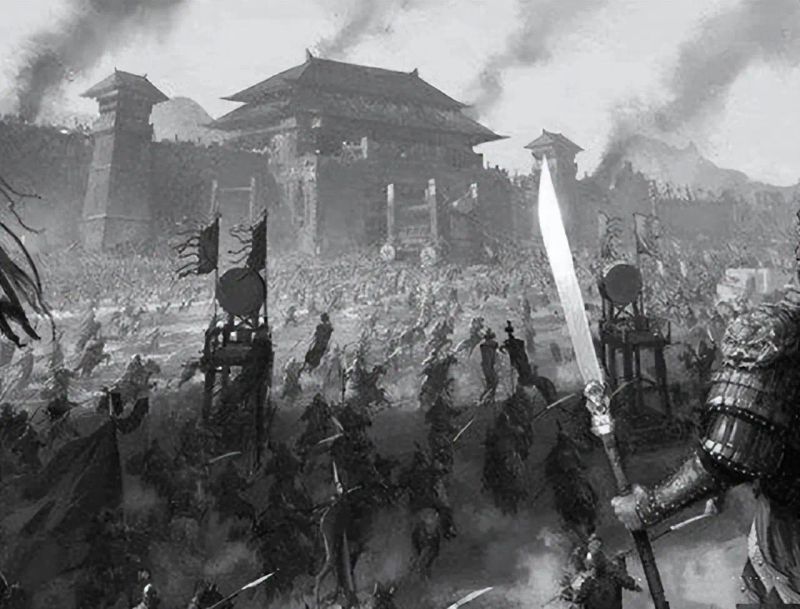
The upgrading of the means of attack appears to be somewhat behind schedule compared to the growing sophistication of defence facilities. Owing to the high level of engineering technical support required for the attack equipment and its vulnerability to damage during its use, the attack force must be equipped with a large number of craftsmen to ensure the proper operation of the equipment. What is even more difficult is the slow and vulnerable movement of offensive equipment, which is likely to become ineffective once the attacking forces are heavily defensive。
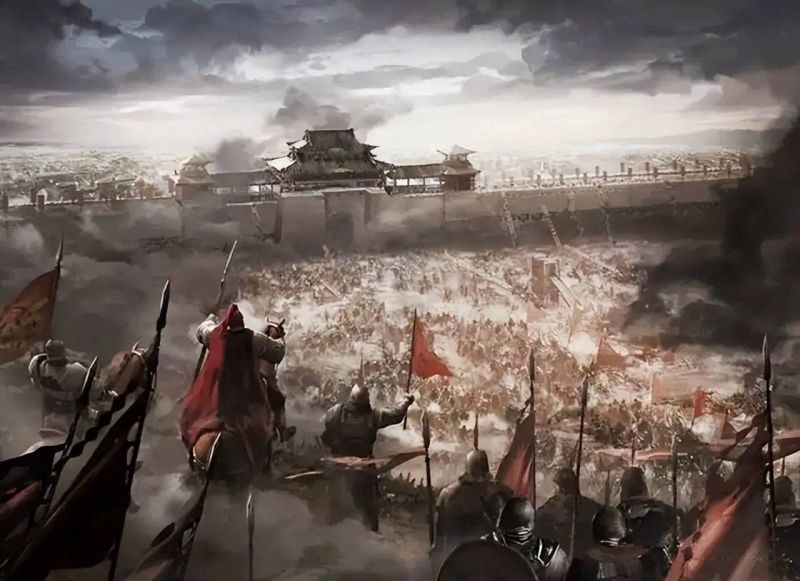
In addition, the difference in morale between the attack and the guarding is a crucial factor. Soldiers who attack the city often lack clear targets and cannot be rewarded immediately after the attack, while those who guard the city often display stronger defensive will, depending on the geography and home. Historically, the defensive side has been successful in resisting the enemy's attacks, often with stronger reserves and uncompromising will to fight。
The morale of the attacking party tends to decline rapidly once the offensive enters a phase of symmetry. On the contrary, the morale of the guards will rise if they are able to resist an attack, so that the battle against the city is often a difficult and challenging battle, and many generals will be careful to avoid risk when facing it。
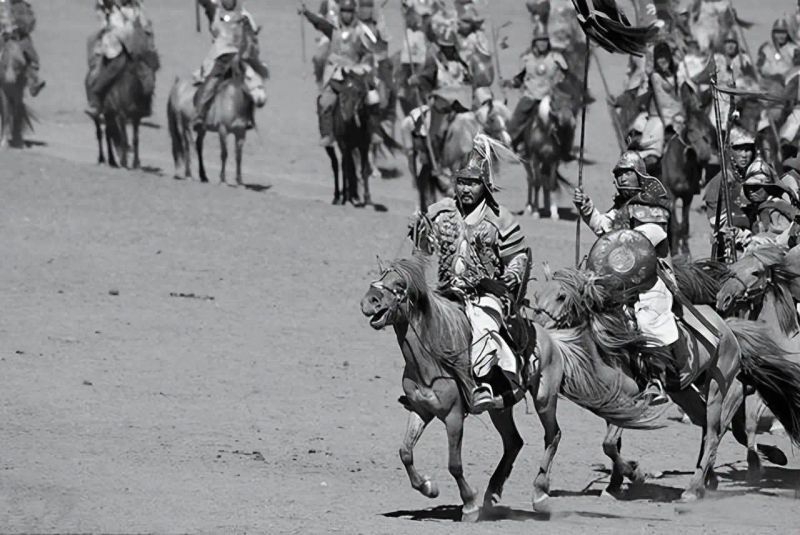
Old-age military wisdom is closely linked to strategic tactics, and good-will generals are often well aware of the high risks and costs of attack, and thus tend to use attack as a last resort. Only when they have an absolute advantage will they consider attacking the city. In the sun tzu law, the principle of the “ten circles to attack” emphasizes that siege is the core strategy of the siege。
Overall, the battle against the city is not just a battle of strength, but a game of wisdom and strategy. In the old war, an attack on the city will not be easy to win by force alone, but will require a multifaceted combination of considerations and sophisticated tactics。