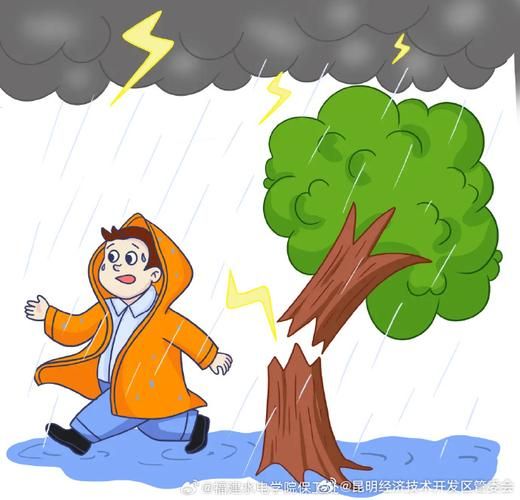
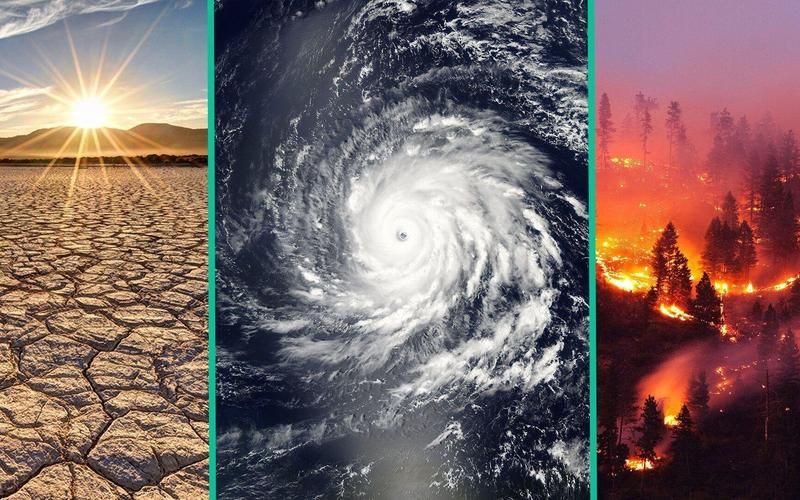
Natural disasters are natural phenomena that endanger or impair human survival, including droughts, high temperatures, low temperatures, cold tides, floods, floods, flash floods, typhoons, cyclones, fire tornados, hail, frost, storms, snowstorms, freezing rain, acid rain, fog, wind, ice, haze, fog, dust, sand, sandstorms, thunderstorms, thunderstorms, ball flashes, etc. But the fact that these things do not result in damage to humans, property, resources or body, cannot be called natural disasters。
Earthquake
Earthquakes are also known as earth-to-earth vibrations, which are caused by the rapid release of energy from the earth's crust, a natural phenomenon during which seismic waves occur. The collision between the earth's plates and the plates, resulting in the distortion and rupture of the edges of the plates and inside them, was the main cause of the earthquake。
Seismic element
Earthquake source, epicentre, seismic wave, epicenter distance
Impact factors
Seismic level, intensity (seismic depth, mid-range, seismic level, geological formation, terrestrial building strength, etc.; 30 times energy difference per adjacent seismic level)
Causes
Tectonic earthquakes (over 90%), volcanic earthquakes, falling earthquakes, artificial earthquakes
Earthquake zone
The world's three main seismic zones and china's five. And..
The earthquake saved itself
Hiding (hard space, like under bed, table, kitchen, bathroom)
Pull back
Off, off, off, off
The tsunami
Tsunamis are destructive waves caused by sea-floor earthquakes, volcanic eruptions, sea-floor landslides or meteorological changes, with waves of up to 700 to 800 km per hour that can cross the ocean in a matter of hours; waves of up to hundreds of kilometres that can spread thousands of kilometres with little energy loss; waves of less than a metre in the vast ocean, but, when they reach shallow coastal waters, wave lengths are reduced by less than one metre and wave waves rise by tens of metres, creating “walls” with huge energy, destroying embankments, flooding the land, taking lives and property, and causing great damage. The global tsunami occurred in roughly the same area as the earthquake zone. The global record of devastating tsunamis is around 260, one in six or seven years. The earthquake and tsunami around the pacific region accounted for about 80 per cent. Japan, which is the world's most affected and most affected by the earthquake, accounts for about 60 per cent of the pacific earthquake tsunami。
Causes
Submarine earthquakes, volcanic eruptions, underwater collapses or landslides
Characteristics
One tsunami hit the wave valley with money on the coast, and the sea could suddenly rise by several dozen or hundreds of metres
The shock wave of 2 into the continental shelf, the wave rises sharply, forming a 20-30 metre “water wall”, and the deep sea is calm
Tsunami 3 is the greatest natural force in the world
Avoid
Run (inland, highlands)
Ship
Red tide
Concept
Red tides, or "harmful algae," "red ghosts," not necessarily red, but yellow, green, brown
Wait. It is the result of the explosive multiplication of algae in the algae family under certain environmental conditions. Depending on the type and amount of organisms that trigger the red tide, the seawater sometimes has different colors such as yellow, green, brown。
(ii) causes
1. There are 24 species of plankton, 32 species of algae, 3 species of algae, 1 species of algae, 2 species of algae, 1 species of native animal. In china, the number of red-tide organisms documented by the red-tide is 25. The remaining 38 species are distributed across the chinese sea, although they have not yet formed a red tide. Thus, a sea with a bare-tide distribution does not necessarily have a bare-tide situation, depending on whether it has a density sufficient to change the water column of the local sea。
2. The rapid development of modern workers, agricultural production, the increase in the population in coastal areas, the discharge into the sea of large quantities of industrial and agricultural waste water and household waste water, a significant proportion of which are discharged directly into the sea without treatment, has led to increased eutrophication of the offshore and harbours。
3. The increased level of coastal exploitation and the expansion of the seawater farming industry have also led to problems with marine ecosystems and the pollution of the farming industry itself; the development of the maritime industry has led to the introduction of harmful red tides from outside。
4. Changes in the global climate have also led to a high incidence of red tides, mainly global warming。
(iii) hazard
1. To cause marine variability, lack of oxygen in the seawater, asphyxiation of large numbers of plant animals, partial disruption of the marine food chain, threatening the survival of marine life and even affecting biodiversity。
2. A large number of fish, shrimp and shellfish deaths occur near the coast, affecting fisheries development。
3. Red tides produce toxins that directly poison fish shrimp shellfish, or accumulate in marine organisms, which may be poisoned after human consumption, with health effects and even death。
(iv) red-tide vertebrates
Zhejiang, liaoning, guangdong, hebei, fujian near shore and offshore。
Iv. Wind-related disasters
Atmospheric flow from variations in air pressure in horizontal direction
Tropical cyclones
Typhoon: mainland china, taiwan, japan, viet nam, philippines on the western pacific coast
Hurricanes: the so-called "polymers" from the atlantic and the east pacific
Tornado
It's the strongest vortex in the atmosphere in highly volatile weather, often in the summer rain, especially in the afternoon through the evening, when it's called the dragon suction
V. El niño and la niña phenomena
El niño phenomenon
La niña
Parsing
Mostly in the eastern and central pacific tropical seas, water temperatures are abnormally warm, changing weather patterns throughout the world, causing drought in some areas and excessive rainfall in others
This is a phenomenon in the eastern pacific ocean, near the equator, where the temperature of the water is abnormally declining, which makes the eastern pacific clear cold, accompanied by a global climate disorder, always after the el niño phenomenon. La niña is a corrective excess after el niño
Performance
The surface water temperature in the central and eastern equatorial pacific ocean continues to increase abnormally (in six consecutive months above the average temperature of 0. 5°c and above)
The surface water temperature in the central and eastern equatorial pacific ocean continued to cool abnormally (for six consecutive months it was below the average temperature for many years)
Below 0. 5°c)
Consequences
It's raining where it shouldn't rain, it's not raining, it's hot in the cold, it's hot in the weather
Scientists think that la niña is a hydrological phenomenon that has no significant impact on the world's climate