How to build an individual knowledge system
Before building a knowledge system, the following key issues need to be identified for fast-tracking:
Questions to be addressed: for example, rapid access to norms, sedimentation project experience, preparation of job titles or upgrading of team management capacity. Who is the user: primarily for personal use or needs to be shared with team members. How to integrate into day-to-day work: there is a need to define the specific role of knowledge systems throughout the life cycle of the project (start-up, process, closure, winding-up, back-to-back) to ensure close integration with the actual workflow. Building a structured knowledge classification system
The classification system is the central framework of the knowledge system, enabling the rapid positioning and efficient use of information. A hierarchical management framework needs to be established, and a level-i classification needs to cover core dimensions, for example, by core project management functions:
1. Legislation and standard norms
The coverage of national/local regulations, industry standards and project-specific norms can be further broken down by profession (e. G. Construction, electromechanical)。
2. Project management methodology and tools
Includes generic methodology, project management processes, planning and control tools, communication management tools, etc。
3. Construction management
It includes the construction organizational design, the construction programme, the technology interface, quality control elements and the construction of a safe civilization。
4. Cost and contract management
These relate to cost estimates and controls, bid management, interpretation of contract terms, claims and counterclaims, visa changes, etc。
5. Experience and case sunk
Document project success stories, technological innovations, management optimization programmes, lessons learned from failures (e. G., uncontrolled risk events, safety/quality incidents), personal stock-taking and pit avoidance guides。
6. Personal growth and career development
Includes titles-related papers, patent monographs, group standards, industrial codes and training materials。
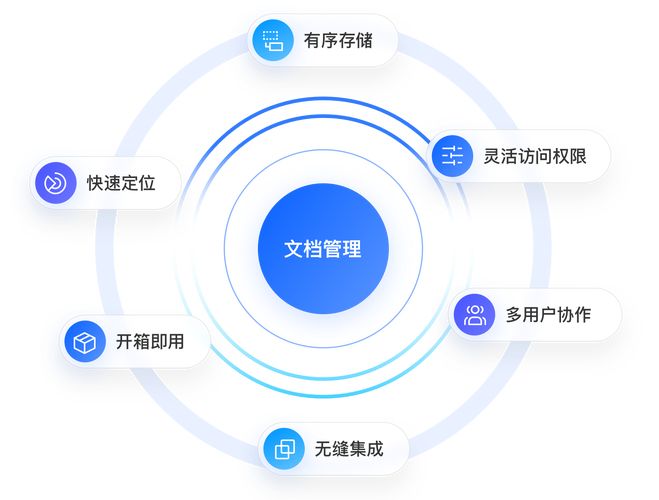
Selection of appropriate knowledge management tools
Tools need to be stable, user-friendly and context-appropriate. Common options include:
Establish efficient content collection and organizational processes
Accumulation of knowledge requires an “inspiration point” to be recorded immediately when valuable information is encountered at all stages of the project (e. G. Start-up, construction, meetings, etc.), such as:
Regularization: structured storage and in-depth processing
Regular collation is a key element of knowledge absorption, and the information collected needs to be structured and stored, and core values refined and systematized。
V. Optimizing retrieval and application

Ensuring that sedimentary knowledge “lives” needs to be made more practical by:
Vi. Establishment of a mechanism for continuous updating and overlap
Knowledge systems are dynamic systems that require sustained investment in maintaining:
Wrap-up: the core closure of the architecture of knowledge
The establishment of an individual knowledge system is governed by a system process “started with classification and finally applied”, centred on the formation of a closed ring: daily accumulation and regular consolidation of in-depth processing applications. Valuable wealth in a career can be built up through clear objectives, clear structures, choice of tools and adherence to closed circle management。