What's the reason the walnut tree didn't work out? Learn how to hang walnuts in trees, one by one
If we want to combat the problem of fruitless walnuts, we must first find out why they are. Just as we go to hospital, we can prescribe drugs and cure diseases only if we find the cause. Overall, the main causes of walnut failure are: inappropriate planting methods and varieties; poor fertilisation of flower pollination; rough management; malnutrition; and pests and diseases. Let's introduce it one by one. It is possible to compare the reasons that led to the failure of walnuts or to the targeted management of the response according to the corresponding approach in this paper。
I. Causes of inappropriate cropping methods and selection of varieties
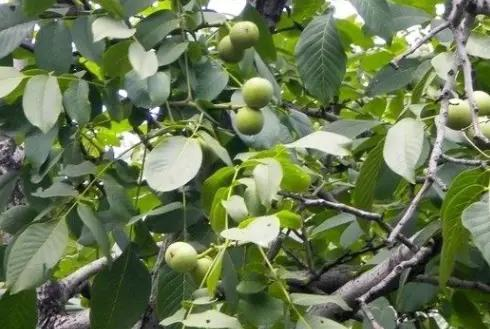
Under normal circumstances, walnuts and premature walnut varieties can be produced at the earliest three to five years after planting, but real and late walnut varieties usually take 6 to 10 years after planting to produce normal results. Moreover, seeds and walnuts are planted for natural growth, not only at the end of the week, but also at different levels of fruit and fruit quality; however, the early, high yield and resilience of walnuts are more conducive to high productivity and productivity. Therefore, the use of seedlings is recommended for fruit farmers planning to grow walnuts。
Ii. Causes of poor pollination
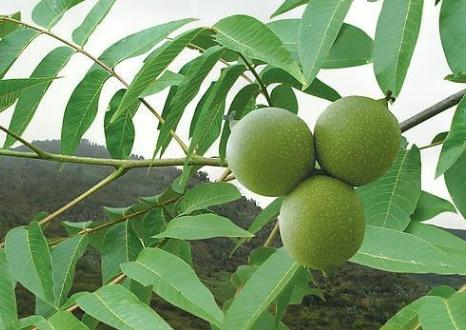
Artificial pollination: when a walnut blooms, the female column opens in reverse form, choosing the morning sun from 9 to 10 a. M., with a brush to extract the pollen of the male flower, and then the female column of the female to pollinate, and also the male pollen to collect it. The three-to-five-fold smoother powder is diluted and placed in a two- to three-storey platinum bag, which then shakes above the fruit tree, allowing scattered pollen to fall naturally onto the female。
Iii. Conclusion of management throughs
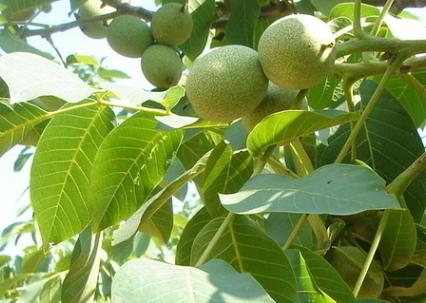
In terms of prevention and management, on the one hand, the early application of fertilizers, additional application of decomposed organic fertilizers, reasonable control of nitrogen fertilizer, appropriate increases in phosphorus fattening, attention to the application of precipitating leaves such as calcium and boron, control of nitrogen fattening in bouquet trees, increased application of phosphate fattening, extra organic fattening of weak trees, and timely watering after fertilization, on the other hand, the strengthening of the scientific cutting of fruit trees, especially in the autumn, and the timely removal of weak long branches, ineffective bush branches, vertical branches, disease branches, and overlapping rice branches. The newly planted larvae have the best stem shrunk shape, and the fruit trees in the outcome period have mainly medium- and short-yield branches。
Iv. Pest and pest hazards
If walnut trees are seriously infested, they also lead to abnormal flowering and should be prevented in a timely manner. For example, there are many maggots in the buds of the walnut tree, so most female flowers are eaten by maggots, and the walnut tree is naturally not productive at a later stage。
Since fruit cycling requires certain technology, it is generally not recommended to farmers who have no relevant experience or technology, otherwise it may affect the normal growth of walnut trees and the gravitation of flowers。