


Original
In the course of citrus cultivation, one job is often overlooked, yet this is crucially important: weed cultivation. Maybe a lot of people see weeds, and they think weeds are thick, and they're picking up fruit trees。
Orchard grass is a major change in the soil management of orchards, which not only addresses the problem of years of scarcity of soil organic matter, but also opens new lines for water-saving agriculture. Many management models for fruit tree cultivation have also been simplified, resulting in unprecedented growth in the fruit industry. Here's to learn about citrus gardening and weed selection and weeding techniques。
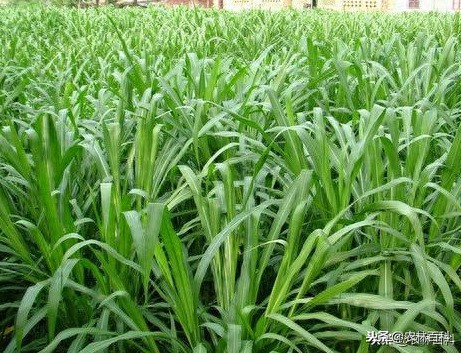
Blackweed
I. The concept of citrus orchards
Grassbreeding is the cultivation of pulses or grasses between orchards, regularly cut and covered with a cut-down trough to allow natural decomposition and decomposition, thereby improving soil structures, soil fertility and the small climate of orchards。
Advantages of citrus orchards
Increased soil organic content. After citrus grass, the genres and residues of the roots contribute to microbiological activity and contribute to the formation of the granular structure of the root soil and the growth of its roots. Studies have shown a significant increase in the levels of organic carbon, composite organic carbon, loosely condensed carbide and activated organic carbon in herbs. There has also been an increase in nitrogen, phosphorus and potassium levels in the soil following citrus grass, which has improved orange growth。
2. Improve soil conservation. The increase in soil organic matter, the formation of pellets, the increase in effective porosity and the increase in water-bearing capacity after citrus groves, can reduce soil water content when rainfall is excessive and maintain soil moisture when rainfall is too low. In addition to this, the temperature can be increased by 2-3°c in the winter and 3-6°c in the summer, and the soil of orchards shows low evaporation and low demand for water, thereby increasing soil conservation。
3. Improving the quality and production of fruit. When soil organicity increases, nutrients are more adequate and balanced and contribute to the improvement of the quality of healthy trees and fruits. Experiments have shown a rise from 1. 58 per cent to 1. 81 per cent in citrus stockage. Production of fruits increased by 13. 1 per cent, soluble solids increased by 7. 6 g/kg and lemon acid decreased by 0. 9 g/kg. Moreover, weeding can be effective in increasing the levels of potassium citrus leaves, phosphorus, boron and fruit sugar acid ratio。
4. Improvement of orchard ecology. Cultivation of citrus orchards increases vegetation cover and provides favourable conditions for the reproduction of microbes, with many beneficial microbes such as nitrogen-fixing bacteria, soil-stamp roots, fungi, etc. The absorption and use of nutrients such as nitrogen and phosphorus in citrus roots was promoted。
5. Savings, savings and low costs. In citrus orchard management, where there is a large amount of manual weeding, the introduction of orchards and grass can reduce soil tillage and weeding and the use of fertilizers. At the same time, the increase in soil organic content and the robustness of the tree are resilient to various pests and natural disasters and effectively reduce the cost of orchards. Orchard grass also facilitates mechanization operations in citrus orchards。
Integrated management of orchard pests and diseases. Common orchard pest control uses mainly chemical agents, which contaminate fruit and the surrounding environment as a result of unreasonable use, causing a large number of beneficial insects to be poisoned, while pests produce resistance. Orchard grass, on the other hand, creates a small climate and creates a good growing environment for many natural enemies of pests, thereby reducing the pests of orchards significantly. The environmental and nutritional conditions in which fruit trees grow have been significantly improved and their resilience to disease has also been improved。
Iii. Greenhouse resources
Common herb varieties are white trifles, rye grass, vervain, embezzles, herbs, rat weeds, etc. Among them, white three-leave grass is multi-year soybean plant, strong nitrogen fixation, shallow root system, trampling resistance, shade resistance, high fertility, no competition for fruit tree fattening, dense grass cover, and high appreciation; the rat grass is highly adaptable and yielding, inhibiting weed growth, growing and dying naturally。
The selection principle is that the grassland is a low plant with two shallow roots of three years old, which covers four areas that are drought-resistant, cold-resistant, anti-negative, resistant to abuse, simple management of the tree and no disease associated with the fruit tree, and is not a parasite or a boarding site of fruit pests and pathogens6 with a certain amount of grass and other economic benefits。
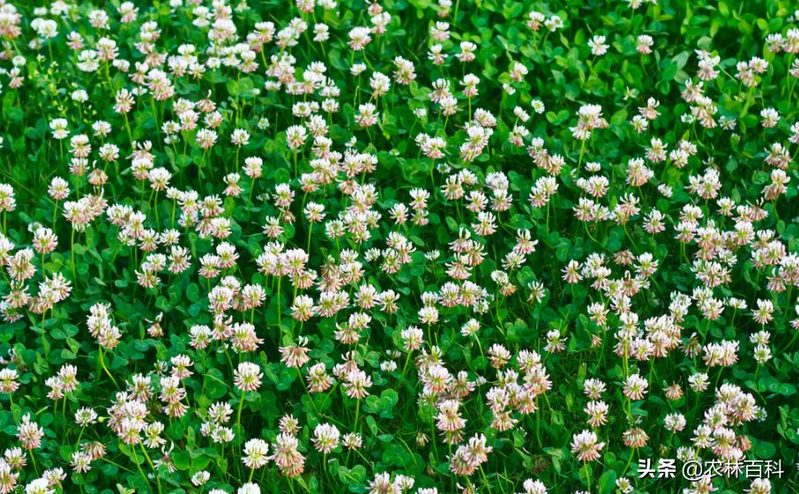
White clover
Iv. Ground enforcement technology
1. Orchard seeding. The planting time is spring and autumn. Spring broadcasts were available from late march to april, and autumn broadcasts from mid-august to mid-september. Before seeding, the fruit tree can be soared by 20 to 25 centimetres, flattening, watering and sowing at the right time. Seeding may take the form of ditches, which may be sown with ditches, sowing the soil, sowing the seed and then evenly spreading the dry soil above the seed。
2. Premium management. After seedlings are produced, water is filled in a timely manner, as appropriate. If the seedling is incomplete, care should be taken to replenish it in a timely manner. Some nitrogen fertilizer can be applied with the water, or it can be sprayed with rain or leaf. Weeds are removed in a timely manner, with particular attention to those weeds that are prone to heights。
Cutting. A few months later, shearing began when shelves were planted up to 30 cm or so, and the grass was covered on the tree plate. A growing season cuts two to four times. This can control both the height of grass and the promotion of its fractions (several branches of plants, such as grasses, produced under the ground or near the ground) and branches, as well as increased orchard coverage and grass production. And the weeds that grow in the fall shall not be cut, and they shall be covered in orchards in winter。
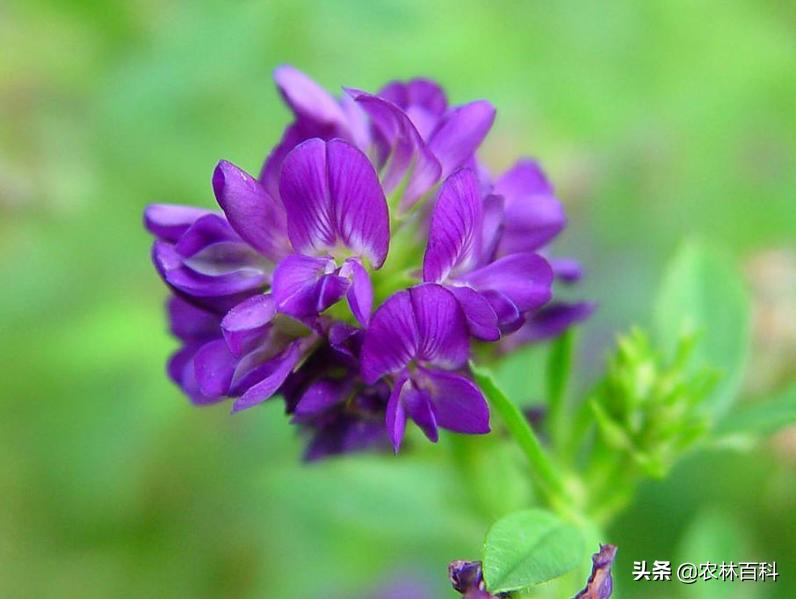
The purple bouquet
V. Methodology of greenhouse
Natural grass cultivation
Natural grass-breeding is the eradication of deep roots, high poles and other malign weeds in orchards, and the selection of the shallow roots of natural growth, shortlings, non-symbiotic pests and pests, so that they cover the surface and are not planted artificially. However, grass needs to be properly protected, all grass within 30 centimetres of the canopy drop line eliminated, and grass and citrus competition for water and weight reduced。
Weeds are cut during the growing season, controlling the height of grass. Weeding is used to cover the trees before high temperatures and droughts arrive. The control of grass growth during the ripe period of the fruit, as well as the shoveling or weeding of the ground during the mature season, contribute to the maturity of the fruit and the improvement of its quality。
Artificial grass cultivation
It is the planting of grasses in orchards that are suitable for the local soil climate, so that weed growth is not inhibited without a strong competition for water and fertilizer with citrus growth. Specific varieties are described in point 3。
Vi. Observations for greenhouse in the greenhouse
1. Select suitable grass. Climatic and soil conditions vary from region to region, and suitable grass varieties are selected for adaptation. Drought-resistant grasses, such as muscular roots, yellow mosaics, etc., can be used in arid areas, and white trifle grass, mesh, etc. Can be used in wet shades。
2. Select the appropriate seeding method. Early orchards produce grass only between tree lines, with grass belts around 40 centimetres outside the tree. It is possible; it is possible to produce grass between rows and stands, and it is not possible to produce grass under the plate in order to prevent pests from causing the trunks。
3. Strengthening the management of fertilizing water for seedlings. For grass to grow well, it is necessary to strengthen fertilizer and water management. Fabrication before seeding should be applied, and during seeding periods, which should be watered in a timely manner。
4. Pay attention to weed cleaning. Weed cleaning can be combined with artificial and chemical weeding. Weeds around orchards are eradicated before weeds are born and weeds can be treated with herbicides when necessary. Farmer fats are also cooked through high temperatures in order to kill the weed seeds inside. In the early stages of grass cultivation, which may not be as strong as weeds, care needs to be taken to remove weeds in a timely manner, especially weeds of a bad nature, such as fake stench, reeds, bamboo weeds, affluents and ears。
5. Focus on pest control. The growth of grass, after weed in orchards, provides an enabling environment for the growth of underground pests, often leading to a varying increase in the number of underground pests, and attention should therefore be paid to their control。
6. Upgrading and cutting of grass. The weeds could not be uncircumcised in the first months until the plant had grown to more than 30 cm. Do not cut grass at once, and leave part of the grass next time in line, so that part of the space is preserved for the enemy。



