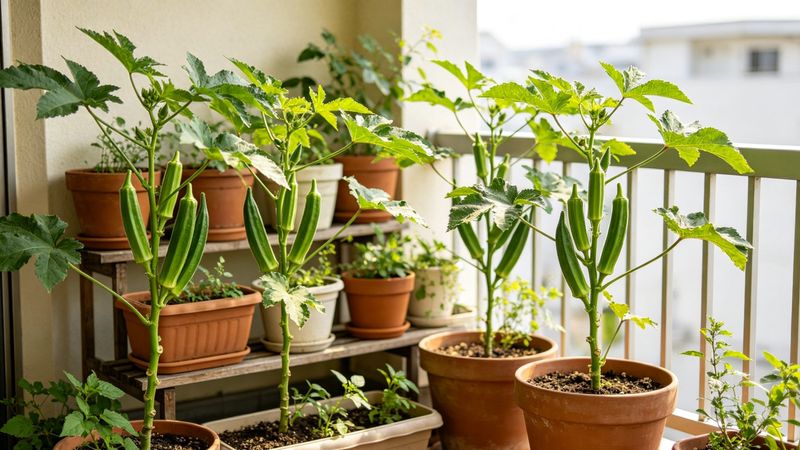
It's over, the sun's warmer, and you can't hold it down, so you want to plant the garden full? Stop! It's too early to do it. Spring isn't the same as spring. God is adjusting the channel. It's warm during the day and it's cold at night. This vagaries of weather specializes in various kinds, especially the seven vegetables below. It's now planting, not growing, the next hard pole to burn for the future。
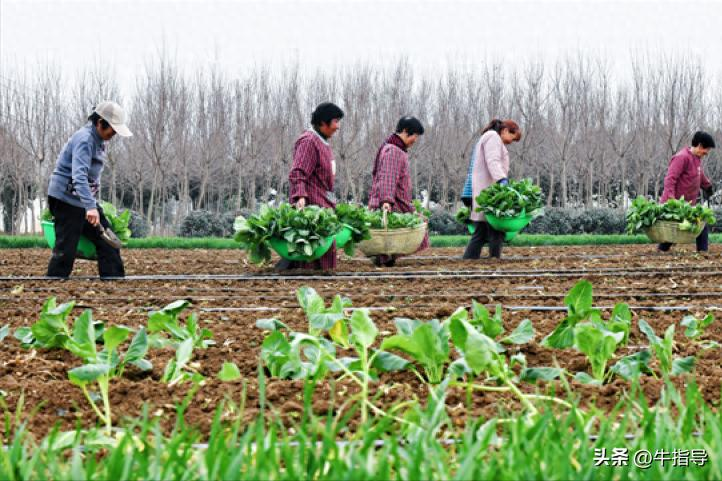
The first: spinach -- "want to get married" when the sunlight grows
Spinach is a typical long-sun-ray crop. After spring, the duration of the day was significantly longer. The growth sensors in spinach blades start the flowering program as soon as the signal grows. The spinach that was planted at this time was too late to grow leaves, and the seedlings began to smoke. The extraction is thin and hard and bitter and completely uneatable. Even the purchase of seed-resistant varieties is only delayed for a small amount of time, and it is ultimately impossible to escape the fate of flowers and firewood。
Second: beryllium (including oatmeal) - it's dead when it's hard in the core
We're eating sprouts and leaves. After spring, seedlings experience temperature fluctuations and solar changes at the beginning of their growth. Plantation leads to the misperception that the growing season is coming to an end and that reproductive growth is occurring quickly. As a result, the pole didn't grow, and the center started to squirt. They grow thin and small, with their cores like wood, and their leaves are small and old。
The third: lettuce -- no engraving, just flowering
Scrambling requires a cool and stable environment in which leaves accumulate and are formed. After spring, the temperature was generally upward and volatile, and the raw vegetables did not have sufficient time and adequate conditions to grow. It'll jump right through the convulsion phase, pull up quickly and bloom. The last harvest was not a ball, but a vegetable with yellow flowers and bitter leaves。
Fourth: cabbage -- growing fast and growing faster
The cabbage has a short growth cycle, but it sows after spring, and the rhythm of growth is completely chaotic. High temperatures during the day contribute to its rapid growth; cold at night or high temperature differentials, which in turn result in coercion. Under this pressure, cabbage will end leafy growth early, and the flowers will be drawn quickly. You'll find that before you grow up, you'll grow tall flowers in the middle, and the leaves will become fibrous。
Fifth type: cauliflower - from vanilla to celery pole
The cuisine eats in part fresh leaves and leaves. The cuisine is also afraid to grow in spring. After spring, the fragrance seedlings quickly undergo reproductive transformation. Instead of separating the fragrances from the fragrances, the plant concentrates on high nutrients and flowers. As a result, the celery bar, which looks like a tiny foot, tastes like grass。
Number six: radish (especially spring and summer) - - it's not long. Root
Carrots are root and root vegetables, but sowing after spring, climatic conditions induce them to reproduce. Carrot plants give preference to nutrients to leaves and flowers on the ground, while the roots of the ground stop growing and even form fibrogenic hard roots. It was not the carrots of the water spirit, but the tiny and tenacious roots of human ginseng, which were completely worthless。
Seventh type: musk beans -- a classic of heat and cold
Beans prefer cool weather, usually sow in the autumn and harvest after winter. If the seeding takes place after spring, the seedlings will be warmer in spring and summer when they grow up. Beans are intolerant to heat, and high temperatures can severely inhibit their growth and condensation. Plantation may be small, flowering small, stylish, or soybeans small and seeds not full. Inputs and outputs are highly disproportionate。
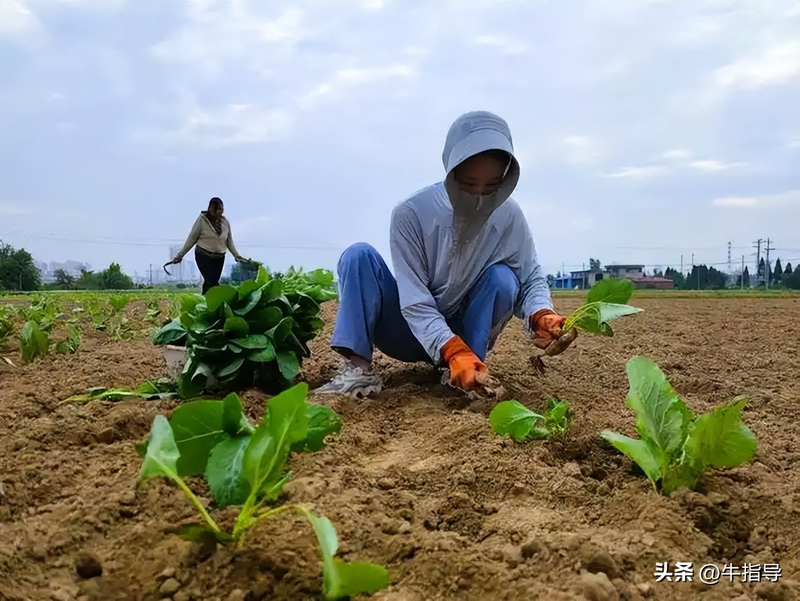
Core cause: plants sense "seasonal push"
These vegetables fail and have common scientific reasoning behind them. One is temperature fluctuations. The cold is a direct injury to young children, resulting in freezing or stagnant growth. Two is the change of the sun. The sunlight period has been constantly extended, with the direct activation of many flowering switches for green leaves and vegetables, known as “pre-sucking”. When plants feel the conditions are “maturity”, they abandon the roots of long leaves and devote themselves fully to the seeding of flowers and to the breeding mission. But what we want to eat is its nutritional organs, not seeds。
Good practice: be patient and choose the right type
What should be done now? The first is patience. In areas such as north china, it would be preferable to wait until after the shock, the temperature stabilizes at a high level and the risk of night frost is largely replanted in the past. The second is the choice of pairs. What can now be grown are cold, but resistant varieties, or vegetables that are not sensitive to sunlight. For example, cold-resistant spinach varieties (which are still at risk) could be tried or diverted to potatoes, pea seedlings, etc. For most of the hot vegetables, such as tomatoes, peppers, cucumbers, bean bean beans, etc., seeding should now be done indoors or in protected areas, pending prior and prior planting outside。
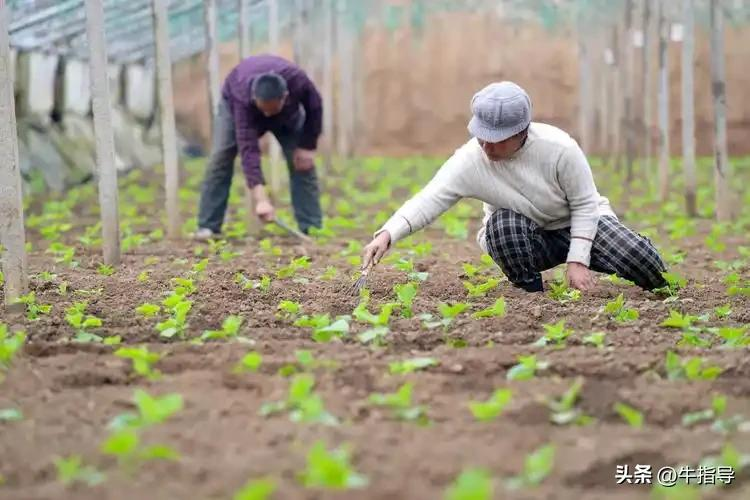
Growing vegetables is human cooperation with nature, not confrontation. Respect for air-saving patterns and an understanding of crop habits can avoid wasteful efforts and reap greener lands。
What kind of food did you fail in early spring? Or do you have any good ways of judging the timing of local planting? You are welcome to share your experiences and lessons learned in the comment area。