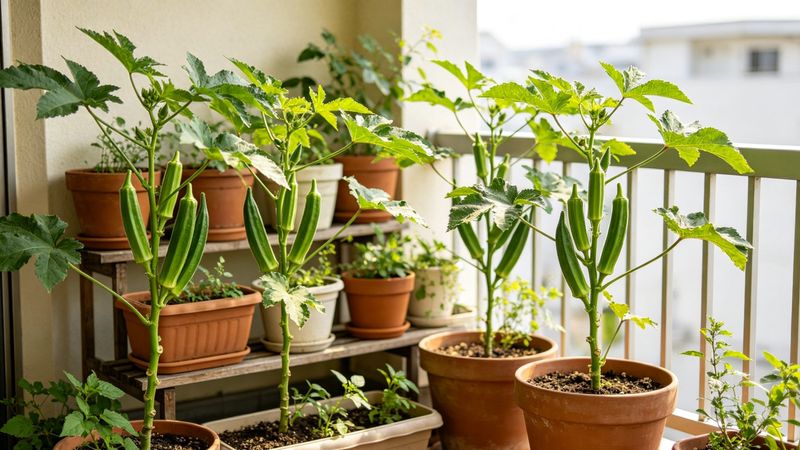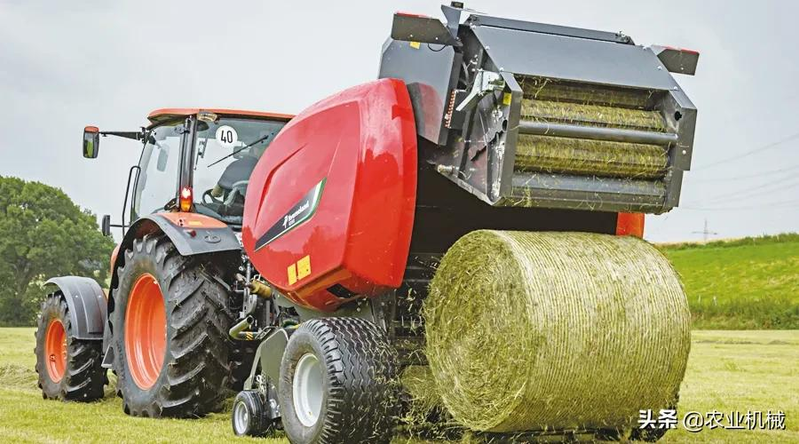
Herbs are grass or other herbs used for livestock, which are highly regenerative and can be harvested many times a year, rich in various trace elements and vitamins。
Herbs, which are the basis for the development of livestock production, in particular for herbs, contain not only the nutrients necessary for livestock, but also crude fibres that are particularly important for maintaining the health of anti-herbs, which cannot be replaced by food and other feeds。
In order to produce high-quality pastures and to increase yields and raise the incomes of farmers and pastoralists, knowledge of pasture cultivation and mechanized harvesting processes was introduced。
Overview of cultivation
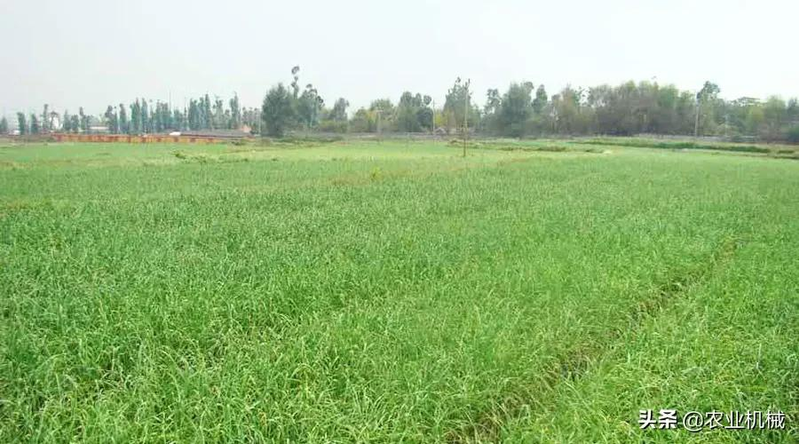
My country is one of the richest countries in the world, with a total area of nearly 400 million hm2 (6 billion acres), the second largest in the world. Of this total, approximately 310 million hm2 (4. 65 billion acres) can be used to produce grass of over 400 million t per year, but it still falls short of the country's livestock development needs and requires a large annual import of quality pastures。
In terms of growth cycles, pastures can be divided into one year of life and years of life; by cultivation, they can be divided into natural pastures and artificially planted pastures; and by herbs type, they are mainly legumes, herbs, chrystals, sals, purples, etc。
The herbs are made of vervain, sandy, trifle, trifle, chicken eye grass, etc. The herbs of herbs are 70 rye, mexican corn, mackerel grass, ladder grass, duck mackerel, june shea, wheat, goats, brown leaves, dog tails, etc. The herbs are more grown。
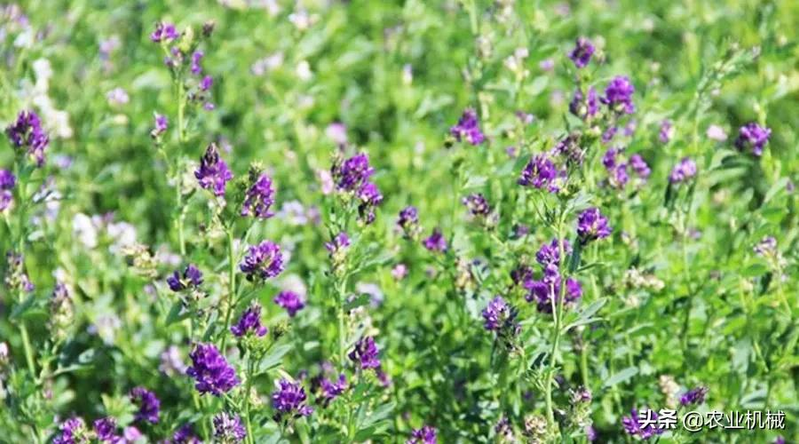
Large and high-yielding pastures are grown in the form of vervain, sand-breeding, pine herbs, sweet grass, 70 rye, mexican corn and russian fodder。
Of these, the vermin is the world's first herb growing because of its high protein content, also known as “the king of pastures”, which is grown extensively in all countries. Ultimate grasshoppers are soybean plants with a general lifetime of 5 to 7 years, with the highest growth of 2 to 4 years, producing 30 to 60 t/hm2 (2 to 4 t/ acre) annual grass, with greater drought resistance and cold resistance。
Farming
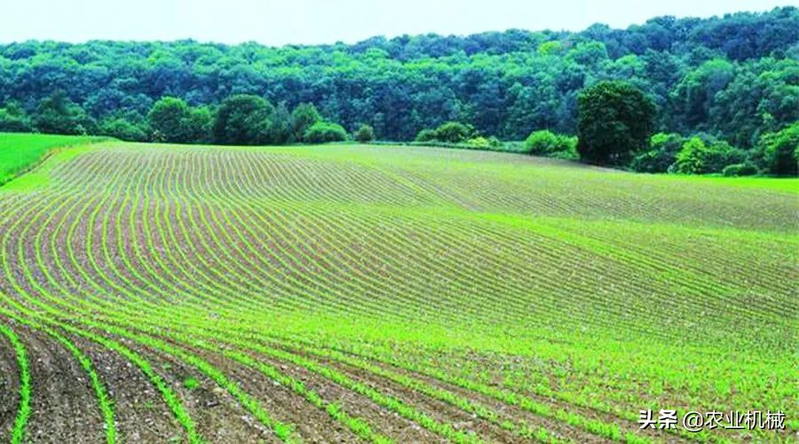
In order to sow grass, the soil is selected to be more fertile, thick and well-watered, and the soil is subject to a deep tillage or laxation, so that the soil is deplete and soaks the air. The range of herbs requires species of good grass, high yield, multi-season harvesting, strong life force, high nutritional value to livestock and increased meat。
The grazing season can be divided into spring, summer and autumn, depending on temperature, moisture, the biological properties of pastures, the level of damage to the fields and the purpose of utilization. Dryland areas are primarily concerned with soil erosion, and cold areas focus on winterization of pastures. The most common forms of seeding for herbs are organiszation, sowing, flying, fertilizing and ploughing。
It refers to planting seeds at every distance and with the earth. In the case of wet areas or areas with irrigation conditions, the distance is approximately 12. 5 cm in general; in the case of arid conditions, 30 cm in general; and grasslands for pasture seeds, 45 - 100 cm in general。
The seed is spread evenly on the soil surface and then torn. Cold areas can sow seeds on the ground in the winter and bury them with the natural effects of freezing and melting。
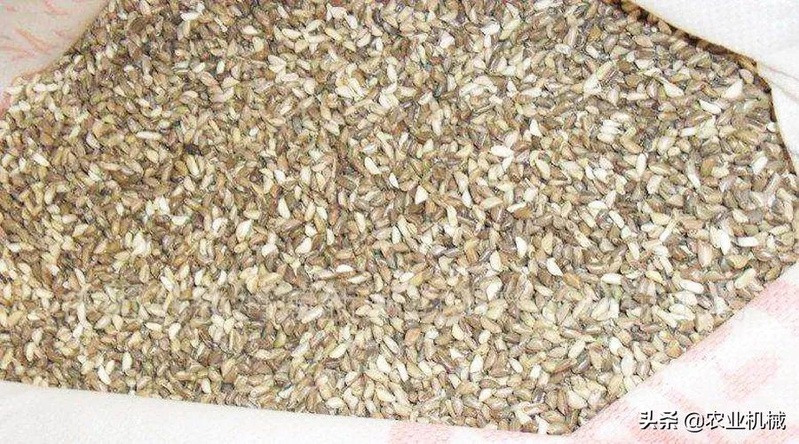
Flying is the use of aircraft to sow grass, which has the characteristics of fast-growing seeding, extensive operations, low production costs and even seeds, and is suitable for large areas of degradation, sandy grasslands or newly developed southern grasslands。
Fertilizer seeding is carried under the seeds at depths of 4 to 6 cm below sowing, mainly phosphorous。
The ploughing can be applied in arid and semi-arid areas and in thicker ground-drying areas by means of mechanical openings, spreading seeds over the wet earth layer of the ploughs, which are not dredged until the harvest or growing season ends. This method is also used in high-cold areas to sow and to increase winterization of pastures。
Harvest process
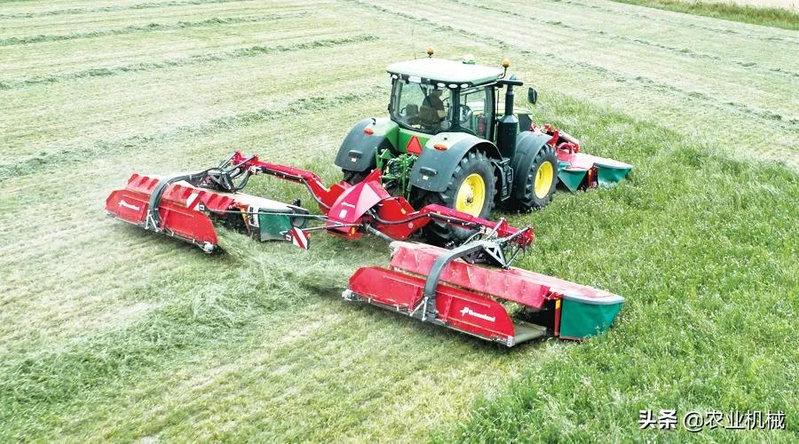
Herd harvesting is a seasonal and labour-intensive operation, and it is also an important factor in the quality, yield and efficiency of herds, mainly through manual, semi-mechanized and mechanized harvesting。
Studies have shown that mechanized pasture harvests can increase labour productivity by 25 to 50 times, reduce operational costs by 40 to 60 per cent, reduce the nutritional loss of pastures by 60 to 80 per cent and increase pasture yields, while contributing to the safe storage and regeneration of pastures the following year。
The whole process of mechanized harvesting of herbs is typically composed of several processes, resulting in a mechanized harvesting of herbs, which can generally be divided into a weed harvesting process, a compressed harvesting process and a feed harvesting process。
The weed harvesting process consists of processes such as weed cutting, weed harvesting, weed gathering, weeding and weeding, which are carried out in a step-by-step manner and are characterized by simple machinery used in the various processes, low technical requirements for operators, low productivity and high labour intensity。
The compressed harvesting process, which is followed by a weeding, weeding or crushing process using the appropriate equipment, consists mainly of picking up and picking up the weeds, fixing the harvest, picking the weeds and harvesting the fields。
The gavage harvesting process is the method of harvesting used for the production of gavage or direct feed, consisting mainly of the split and combined harvesting processes. The split harvest consists of the process of cutting, curing, handling, cutting, storage, etc. The joint harvest consists of the operational process of harvesting, cutting and loading pastures at a time using the accelerator。
Mechanized harvesting technology
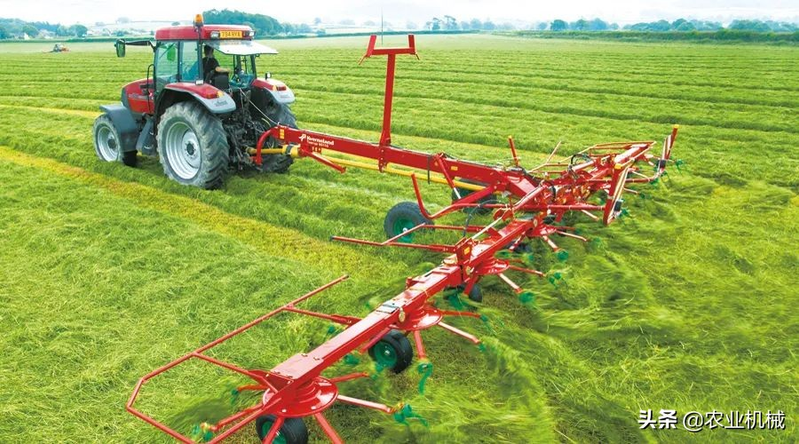
The mechanization of the herb harvest in its entirety includes harvesting (pressure), collection and regulation, bundling, weed collection, transport and stacking of six links。
1. Harvest (pressure)
Herb harvesting is the use of a lawn mower to cut herbs down at a certain level and lay them on the surface. The herb pressure is the breaking of the herbs, the destruction of their horns, which exposes them to the air, accelerates the dispersing of their internal water, shortens the drying period, and brings the herbs to a similar pace with the drying of the leaves and achieves even drying。
The commonly used machinery is a lawn mower, a flattener, a grass mower or a sun mower. The weed-breeding machine combines the lawn-cutting function, and the grass-harvesting, strangulation and weeding are done once。
2. Collection and regulation
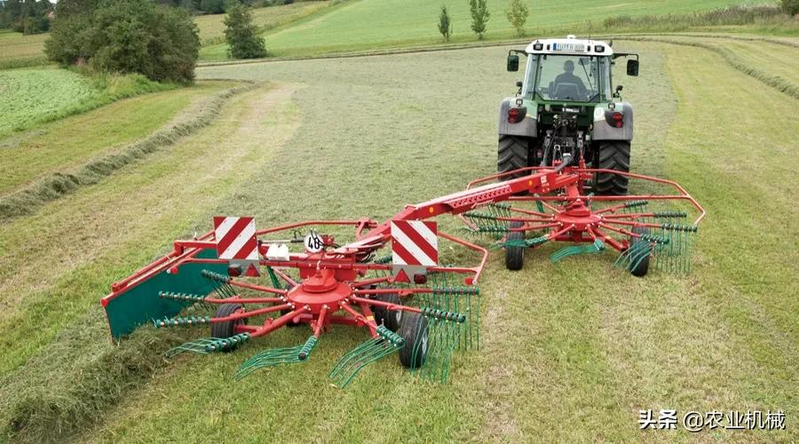
The basic adaptation of pastures in the fields is drying and drying out, including shattering, weeding, grazeping, stripping and stripping, mainly to level the fields. The usual machines are weeders, sun-standers, etc., which can be divided into standers, lawn rollers, rollers and rollers。
Tie
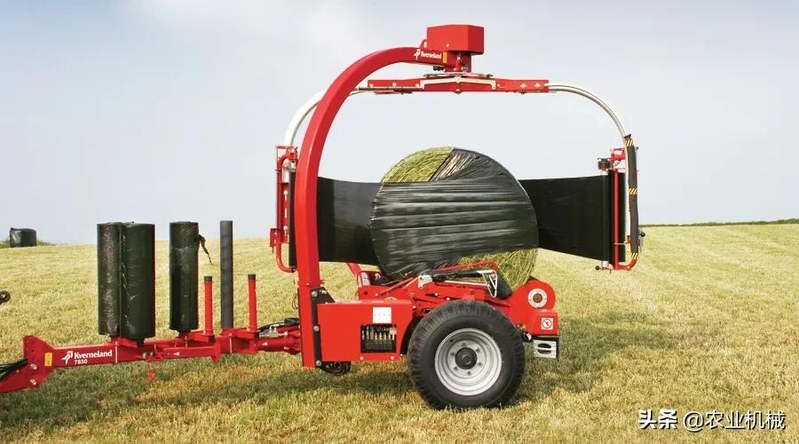
Battering is the use of bundlers to crush loose pastures into a certain density, shape, to facilitate transport and long-term preservation. In the shape of a straw bundle, a bundle can be divided into round bundles and square bundles. There is also an existing market for bundled membrane integration machines, i. E., bundled and bundled with grass for storage。
4. Grassbreading, handling and stacking
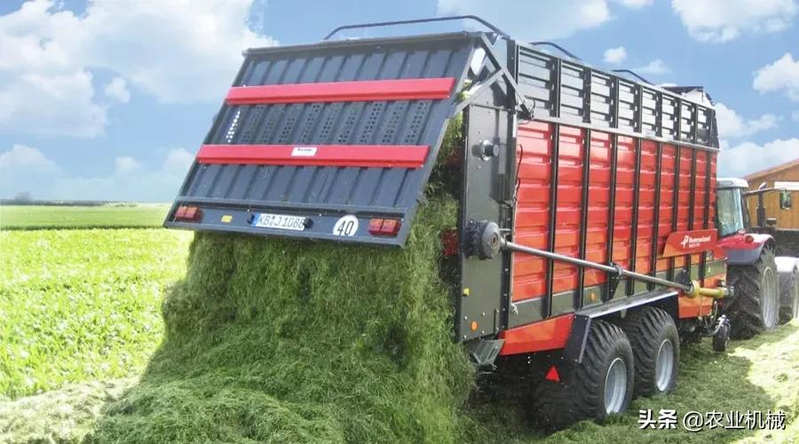
The grass is picked up from the field and carried to the transporter, which is then removed and stacked at the designated location. The usual machines are multifunctional loaders, grass pickers, transport trailers, etc。
Technical elements
1. Timely harvests
The different species of pastures have different harvest periods, depending on the circumstances. It should be noted, however, that premature harvests reduce pasture yields, while the high moisture levels of pastures are not conducive to storage, and that late harvests reduce the nutrient content of pastures by increasing the amount of wood in herbide。
2. Scratch height appropriate
The heights should be reduced without affecting the next year's growth, generally with natural pastures ranging from 4 to 5 cm, planted pastures ranging from 5 to 6 cm, and late autumn pastures ranging from 6 to 7 cm。
3. Appropriate moisture for harvesting grass
It is appropriate to harvest pasture moisture. In the case of the suitable humidity recommended for the harvesting of dry grass and oats: grass begins to moisten before 10 per cent of the flowering number, 40 per cent to 50 per cent of the weed; oat grass is moisted at magma, with 60 to 70 per cent tan, 35 to 45 per cent of the weed, 17 to 20 per cent of the small and round buns and less than 14 per cent of the large. It also avoids rain and long periods of sun。
Reducing loss and pollution
During the range harvests, the instruments are less powerful in terms of their impact on pastures in order to reduce loss; moreover, there are fewer impurities and pollutants in pastures。
Appropriate harvesting processes
Depending on the natural conditions of local pastures, the type of pasture, transport distance and mode of transport, feed requirements, economic base, etc., appropriate harvesting processes and machinery systems are selected to improve productivity and economic efficiency of the grazing process。