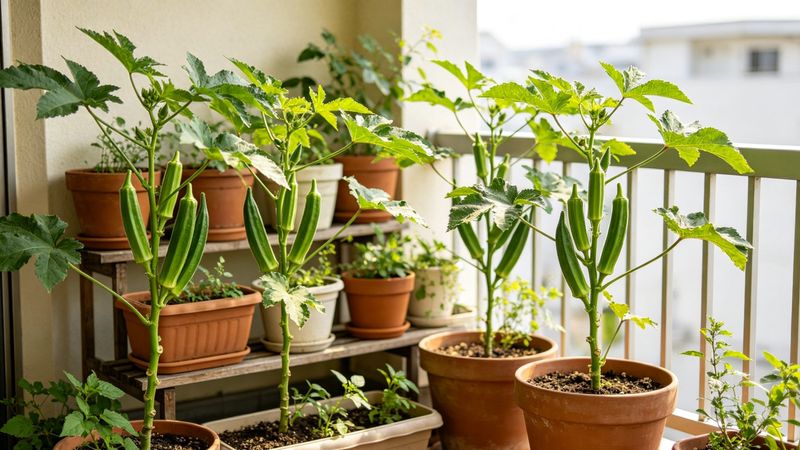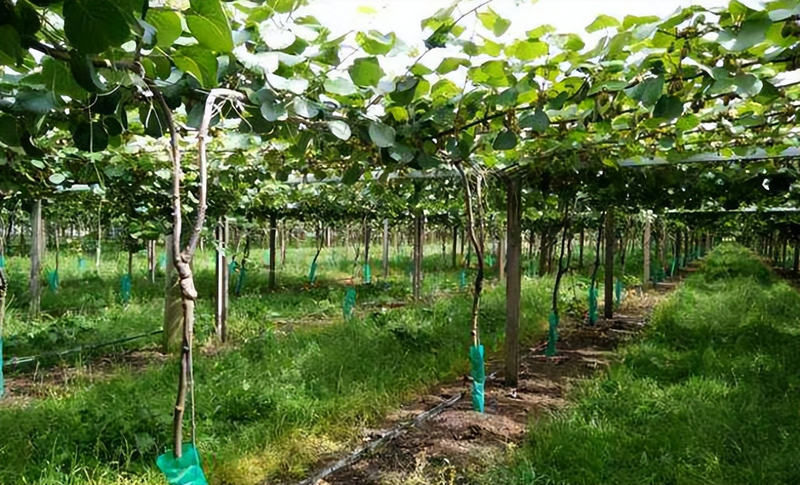
Orchard ground grass-breeding techniques, which have evolved as a result of the technological development of high-quality and efficient production of modern fruit trees, and are characterized by fertile soil, water conservation, and management of provincial workers, are effective ways of addressing the current stage of loss of organic content of orchards, poor alkalinity of orchard soils and soil erosion of orchards。
The following are the main benefits of orchards:
1. Vegetable orchard soils, increasing organic content。
Orchard long-term grass can be effective in fertilizing orchard soils and gradually increase soil organic content. According to surveys conducted abroad on long-term grassland plantations, orchards have been growing grass for more than 10 consecutive years, and soil organic content generally reaches more than 3 per cent, of which orchards produce grass more than 1 per cent efficiently. At the same time, the alkalinity of orchards is neutral with the extension of orchard weeding time, contributing to the mitigation of salinization and acidification of orchard soils。
2. To improve the humidity of orchards and promote fruit development。
During the winter season, surface temperatures can increase by 1°c ~2°c and the summer surface temperature can decrease by 1°c ~ 3°c. The relative stability of the soil temperature has been maintained, contributing to the maintenance of normal physiological activity in the roots of fruit trees. At the same time, there is a degree of increase in the air moisture of the canopy of the tree when the orchard is grass-bearing, which contributes to the development of the fruit and to the colouring of the fruit, as well as to the mitigation of the cracking of the fruit。
3. Fixed orchard soils to combat soil erosion。
Vegetable vegetation and the developed root layer are effective in preventing the erosion and erosion of orchard soils and providing some protection for fertile surface soils. They are an effective way of combating soil erosion in the country's hill slopes。
In recent years, fruit-planting and grass-grass technology has been increasingly applied with the country's annual focus on the ecological construction of orchards. Not only has the technology been promoted in irrigated orchards, but it has also been successfully applied in a number of hillside orchards in the country. The implementation of orchard grass and vegetation has significantly alleviated the erosion of orchards and has gradually become an important technical measure for the production of green fruit and non-hazardous fruit in the country。
What are the main patterns of orchard grass and what are the commonly used varieties of orchard grass
Orchard grass is mainly divided into artificial grass and natural grass. In artificial gardening, the variety of orchard grass is common: white trifles, rye grass, mashed peas, rat weeds, februaryland, raisins, etc。
1. White clover
White herbs prefer clay and acidic soil and grow well on the border and sand, but require a certain rainfall (over 600 mm of annual rainfall). The three white leaves are sun-light plants that thrive in areas with abundant sunlight. This type is medium drought-resistant and generally produces and safely winters at an average annual temperature of 9 °c ~ 15 °c orchard. The prolonged drought of orchards or the persistence of low temperatures in winter lead to the death of plants。
The main roots of the white leaves are relatively short, but they are side root, have to be developed and have root tumours, making it easy to accumulate organic nutrients and fixed nitrogen. White leaves are more competitive and can effectively inhibit the growth of many weeds when they are grown。
2. Black wheat grass
Black wheat grass is warm and wet, and can grow in cool and cold areas in the summer, and in less cold areas in the winter, with annual precipitation ranging from 500 to 1,500 mm。
Blackweed is growing in large quantities and root systems are well developed, and orchards planted with blackweed can effectively inhibit other weed growth. There are significant beneficial effects on the organic content of orchard soils and other nutrients after weeding, with a marked increase in soil organic content two to three years later, and a lesser deficiency in orchards。
Three, hairy peas
The grass is a year-old herbivate, uplifted or raised, and the plant is grown with long hair, a long circle of leaves, a pin to a linear shape, with a tip, a short tip, a base wedge. The grass is cool, intolerant to heat, acid-resistant, salin-resistant, cold-resistant, drought-resistant and humid。
Peas springs can easily form dominant grass. Seeds are not dormant and can grow 24 hours later. The fall sowing of long, plumey peas, which have been frozen in winter, has allowed spring to flourish and quickly to fill the ground, preventing other weeds from growing, but also covering soil water sources. Like other legumes, long-breed peas are nitrogen-fixing, growing in large quantities, and are highly fertile. Its roots are shallow, its silhouettes are extremely low-intensity, its water consumption is low, and its water efficiency is evident. Peas are easily decomposed and do not need to be circumcised and their effectiveness is prominent after the june soybeans。
Four, rat weed
The rat weeds are green fertilized plants that are more cold-resistant and intolerant to high temperatures. They grow on the top of the ground, with lined needles, which naturally fall down and grow up to 60 to 70 cm. The roots of the grass are generally as deep as 30 cm and as deep as 60 cm。
The rat roots are distributed intensively in the soil, with lined needles growing on the top of the ground, with natural fall-down growth of 60 to 70 cm. In the growing season, scrawny needles, similar to horsetails, are woven 20-30 cm thick on the ground and cover the ground for a long period, preventing soil moisture from evaporating while avoiding surface solar exposure and enhancing the drought resistance of fruit trees. The majority of rat weeds are nuclei, the effects of the root system and the presence of a large number of micro-organisms and soil animals (worms) in the soil, allowing the conversion of slow or insoluble nutrients into quick-acting or soluble nutrients in the soil and promoting the absorption of nutrients in fruit trees。
Five, a goat
High-sheeps are suitable for cold, wet, warm, wet transition belts, are somewhat resistant to high temperatures, and the growth of high-temperature subleasing leaves is limited, but they remain consistent in colour and appearance. High-sheep is one of the cold-season grasses that is drought- and trampling-resisting, with moderate shade tolerance and wider soil adaptation。
High sheep roots are well developed, contributing to soil aerobics and drainage and increasing the capacity of fruit roots to operate, thereby increasing their resilience to natural disasters, pests and diseases。
June and february
The grass is more resilient, less demanding soil conditions, more common lands can grow and more neutral or less alkaline soils can grow. Strongly grown in sun-rich, wet and fertile soils and good growth in wet and cool environments. Owing to their high self-breeding capacity, they thrive even in cold slopes and dry areas. It is strong and can be normal, growing, flowering and solid, with fewer scattered light。
Early in february, the orchids were close to apples and pear trees in the south-central orchard in shanxi province, attracting bee insects to harvest honey and pollinating in orchards, while at the same time having a good aesthetic effect。
Seven, the grass
Vegetable grass tends to grow in marshes, ditches and low-lying wastelands, often classified as weeds. In recent years, with the spread of wind and yellow water, the grass has taken its roots in drought, including in the city of transport and in the plain, and has been welcomed by fruit-farmers because of the clean vegetation。
Seeds of radial grass tend to germinate at more than 12°c, with the highest lumber temperature of 25°c ~ 35°c. Seeds do not germinate in soils above 8 cm and are available for secondary hibernation. Sapling depths range from 0 to 9 cm in the arid layer, with a high rate of 0 to 3 cm. In the northern part of china, the grass began to sprout in mid-april, with the poaching blooming in july and aging in mid-august。
What are the issues to be addressed in the field of cultivation and management techniques in fruit-planting orchards
1. Orchard methods of raising grass
The planting period for orchard grass can take place from spring to autumn, usually in the spring and autumn. The temperature of seeding in the spring rises to above i5°c, and the planting of grass in the autumn should take place by mid-september, during the rainy season in favour of the rapid growth and safe winterization of young grass。
Weeds need to be removed in detail before planting. At the same time, in order to ensure fruit orchard fertilizer, weeding can be preceded by organic fertilizer in grassland and thawing to decompress the soil。
Before seeding, the need for irrigation is determined on the basis of soil conditions. Seeding in times of drought requires early irrigation and subsequent seeding. A rainy season can save irrigation processes and facilitate seed production。
Seeding is done, for example, by sowing or broadcasting. In order to save seeds and to sow them in an integrated manner, seeds are usually evenly mixed with the earth at a scale of 1:10 to 15. Grass seeding varies from grass to grass, with 1. 5 to 3 kg/acre in general。
2. Herb maintenance and cutting
When planted artificial grass is seeded, it must be irrigated in a timely manner and weeds removed in a timely manner, in accordance with the conditions of the soot。
When grass is grown, young grass also needs to be fertilized to promote growth. Nitrogen and phosphorous fertilisers are used mainly during fertilization, usually during the summer season when grass flourishes. Water for grass is provided mainly during spring and drought, and generally not in the summer。
Orchard lawns are generally at an altitude of 20 to 30 cm, with timely twitching over 30 cm, leaving an altitude of about 10 cm. The grass which is usually cut is laid randomly in orchards and can also be covered under a tree plate. The frequency of cuttings varies from three to six times a year, depending on the species of grass, the fertility of the orchards and the conditions of precipitation. In order to improve efficiency, lawn mowers have been widely used in recent years。
After five to six years of artificially planted grassland, grassland vegetation begins to age and requires timely renewal. The plant is replaced with a swirling machine to replant the grass one year later。
3. Cultivation management of natural grassland gardens
In many of the hills and semi-arid fruit, artificial grass-planting is difficult to produce, and natural grass is used to produce orchard grass。
Orchard natural grass is the use of the existing vegetation of orchards and the establishment of orchards lawn through careful management. The variety of weeds in orchards is large, and when natural weeds are grown, care must be taken to retain short, shallow and dense grass, and to remove and control large plants, deep roots, woody tops, weeds that are repugnant, e. G. Weeds, quail, magma, etc., in order to facilitate the operation of garden management and reduce the competition of weeds for water and nutrients。
Natural grasses tend to have woodless or semi-wooded saplings, midgets, large cover, large roots, low water consumption and a wide range of adaptive grasses, usually dominated by one year of grass. The most common wild grass species available are violet field dings, pickles, february rans, adjoining ground vegetables, dancin, bitter pickles, summer-to-grass, crumbs, snakeberries, front grasses, horse teeth, crickets, etc. After two to three years of conscious selection, weed species and proportions change each year according to the will of the people, and garden soil management becomes easier。
Natural grassland is cut in a manner similar to that of artificial grassland plantations, which generally remain no higher than 30 cm. In general, weeding is stopped after the fall, which produces a certain amount of seed and maintains its density in the following year。
In the early years of the orchard's natural grass, the garden should increase its fertilization by about 20 per cent, reduce its use when the orchard's grass increases and soil fertility increases and return to normal orchard water management。