Biological characteristics
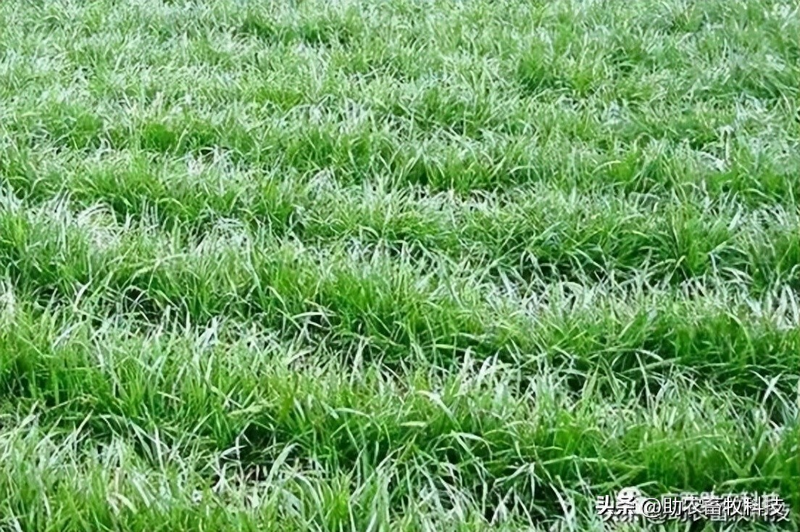
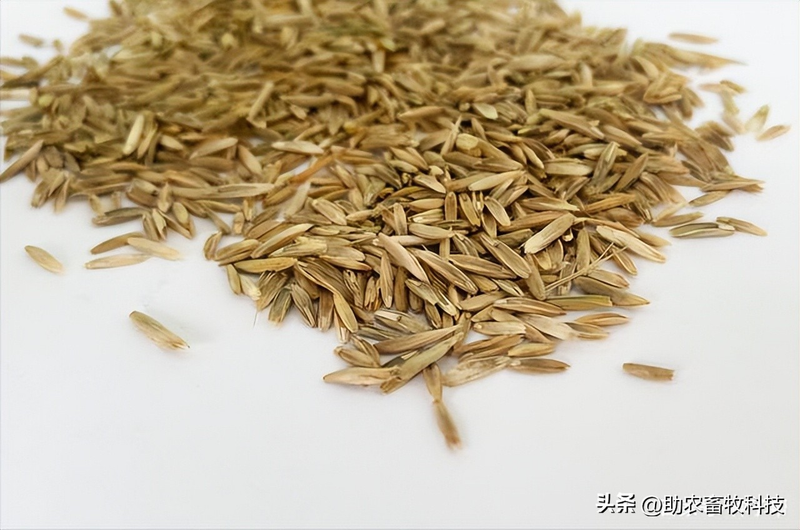
Age-old rye grass is a multi-year grass plant of grass. It has a thin root, and it has to be dense. Thrusts, soft in the ground, soft in the leaves, small in the hair. Speculation, rectangular rectangular of fruit seed, tan to dark brown with hair on top. The number of seed grains per kilogram is 50. 44 million. For many years, black grass is warm and wet, growing at 20°c. Long years of black grass resistant to trampling, post-cut regenerative, but not low-cut, usually leaves green at 4-6 centimetres。
Form characteristics:
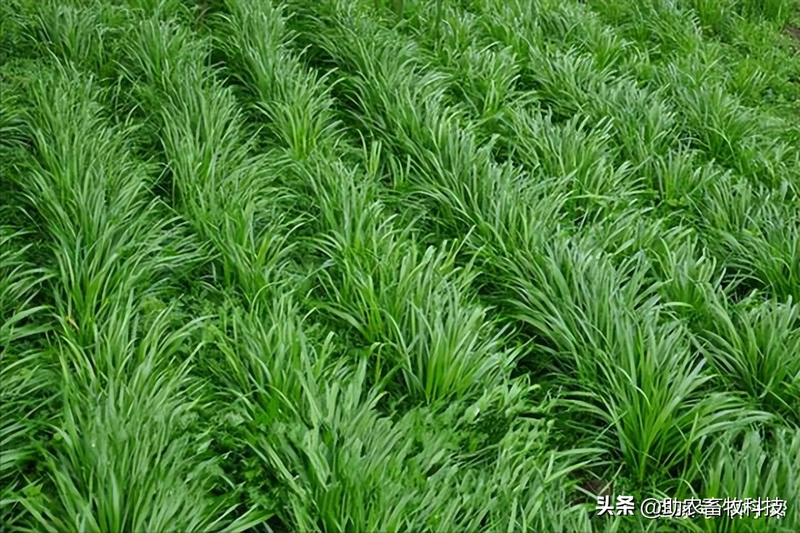
Long years of grass-roots, stubble, stubble, straight-on, bushy, long leaves, dark green, 2-5 mm wide, tipping at the top, smooth or rough at the edge. It's a long green period. It's good。
Applicability
Over the years, black grass is warm and wet, resistant to cold, damp, drought, infertile and acid-resistant. Growing at 20°c, summer hibernation and good growth during spring and autumn. It is often used as a cold-season hybrid (protected) grass, mixed with the early ripe grass, to build trampled football fields. They are also often used as complementary and hand-held materials to improve the resilience and early return of the field's lawn (heating grass becomes green in the winter)。
Cultivation points:
1. Preparation of the bed: clearing of soil surface impurities, carefully levelling of the land, laxation of the bed, ventilation, flatting and good drainage. If soil is infertile, organic or compound fertilizers are applied to increase fertility。
Seeding can take place during the spring and autumn seasons, with better results in autumn. New floor seedings of 20 to 35 g/m2 and of 50 to 100 g/m2 in warm seasons, may increase or decrease, as appropriate, according to variety, area, time and use. It is available on a stand-alone basis and is often mixed with grass, such as grass, mackerel and high-sheep, at a rate not exceeding 20 per cent. It covers 1 to 2 cm thick, keeps the soil moist, usually from 5 to 10 days to seed, and in about 50 days。
3. Responsive management, resistant to abuse, and trimmed to 4-7 cm。
Purpose:
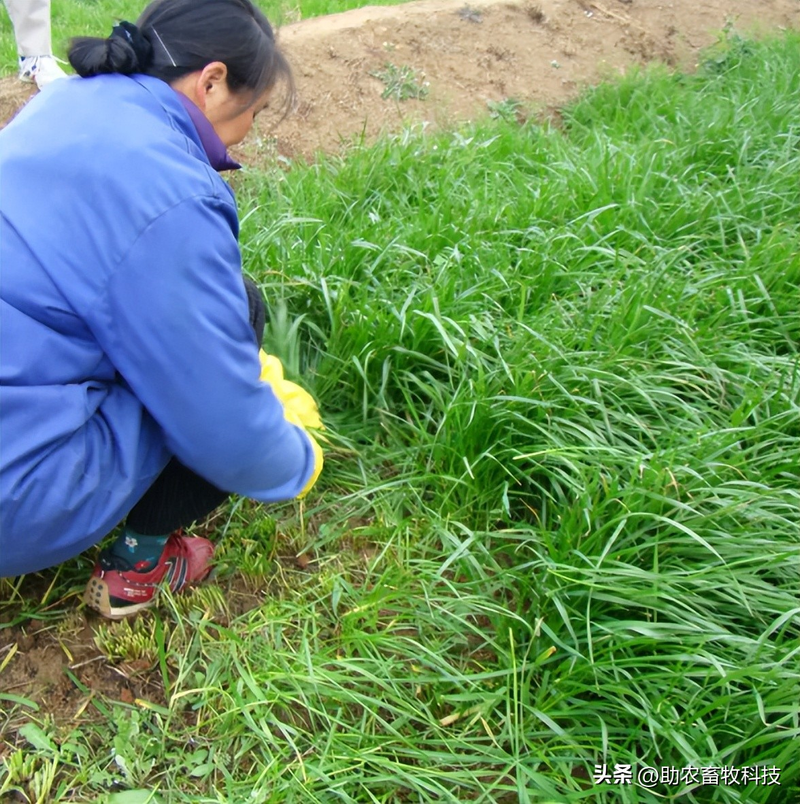
In addition to being a good feed and suitable for growing in the south, it is suitable for growing in much of the north-west, north-east, south-east, cloud highlands, cold areas and sichuan. In parks, gardens and small green areas, high-speed ramps and riverine ramps, long-born rye grass is often used as a “foregrass” in order to quickly form much-needed lawns or change the environmental landscape at an early stage. In order to increase the resistance of the lawn, some countries often combine the years-old black grass with the grasslands, such as long-lived grass, and the purple goats, as green materials for general greenfields and golf course lanes, but the mixed proportion of black wheat is only 10 per cent or 120 per cent, as it is more productive and invasive. There are also hot grasses, such as dog tooth root and bermuda, that were followed early in the autumn and winter, i. E. Used to make up and maintain the greenness of the winter lawn when the warmland lawns entered the dead hibernation period. It can be used as a lawn-purification application around the smelting industry area because it is resistant to harmful gases such as sulphur dioxide。
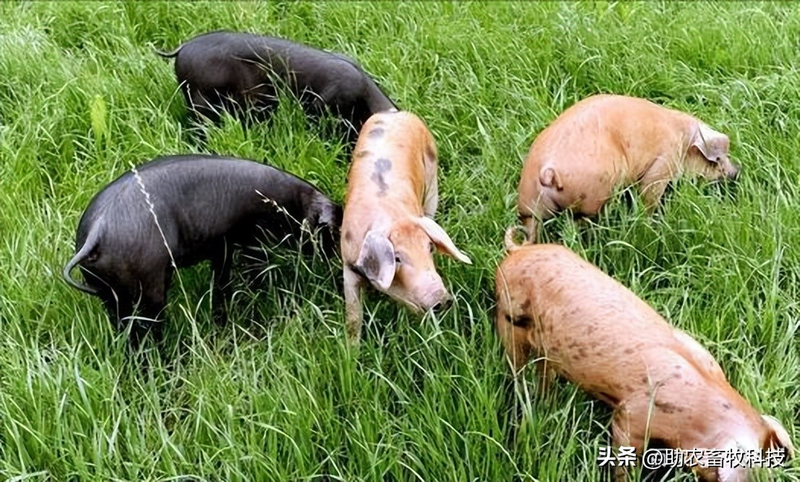
Weeds, which are grown over the years in our country on a wide range of herbs, have no side effects, are soft, pristine and smooth, and are good for fish, in addition to being suitable for animal feeding. It is the “household varieties” that are provided for in winter and spring in the range production mix。
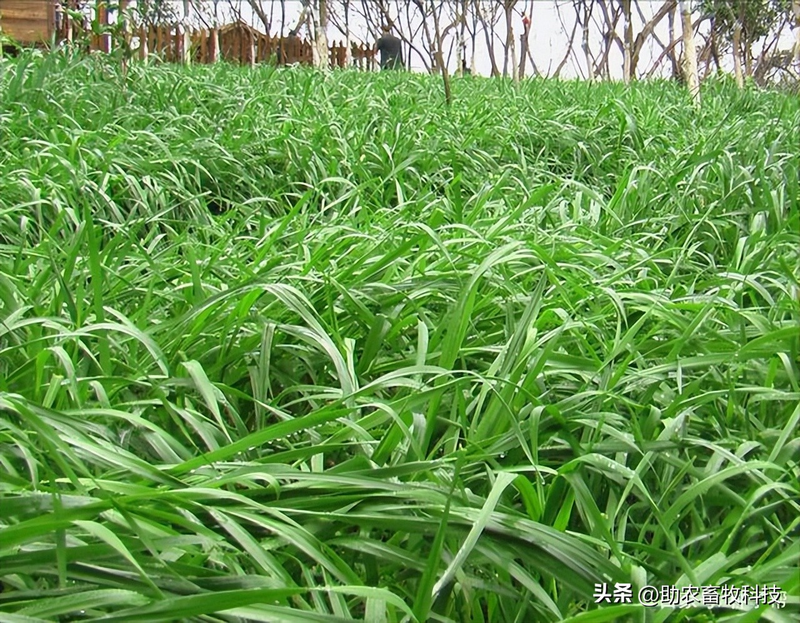
Many say that years of low production of rye and many areas are poorly grown, and that there is now a high-yielding multi-year variety of four times that of rye, which is large in volume, split in size, is mainly a result of rapid growth, high production, good quality, persistent and highly adaptable. The high economic value, widespread cultivation, wetting and cold weather can be cultivated in places with annual precipitation of 500-1500 mm, especially in the provinces of jiangsu, shandong, jiangxi, hunan, hubei, zhejiang, sichuan and henan。
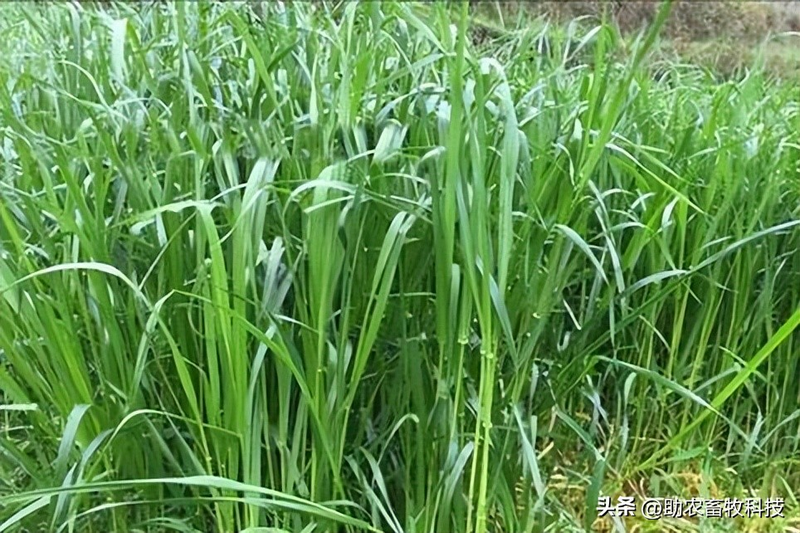
Is it possible to grow four times black wheatweed over the years
A winter can grow in areas not less than 15 degrees in winter. Under general management conditions, acres produce 4,000 to 6,000 kg of grass, and can produce more than 6,000 kg of water under sufficiency conditions. Production is almost 20 per cent higher than that of the general variety。
The thick proteins of four times the length of the long-lived period of black wheat leaf are high, and can be grazing and gavage for 140 to 200 days, pre-smoking pre-smoking or grazing can quickly recover growth, grasslands can remain robust for more than six to seven consecutive years, while other species of long-lived black wheat grass are rebuffed after 2 to 3 years of use. It is generally preferable to slit about 60 centimetres prior to the placard, with 5 centimetres remaining at an altitude, and the full harvest is detrimental to regeneration. Four times the body of black wheat grass is produced over the years, usually four to six times per year。
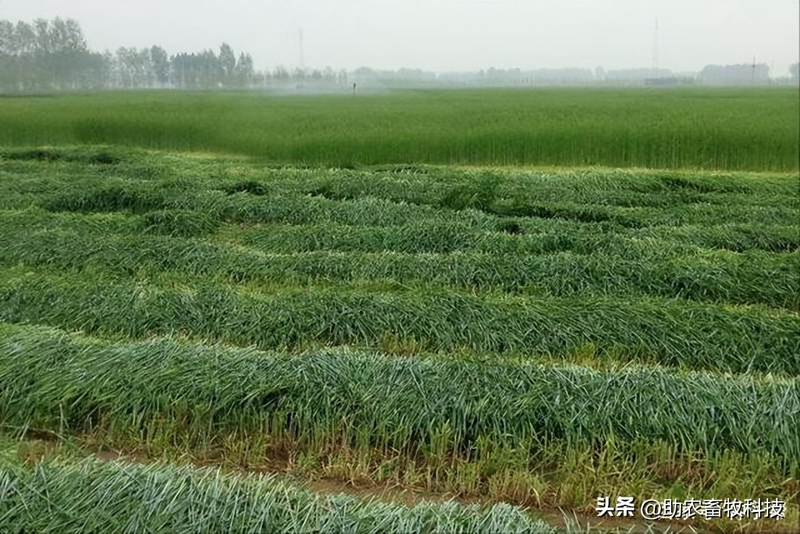
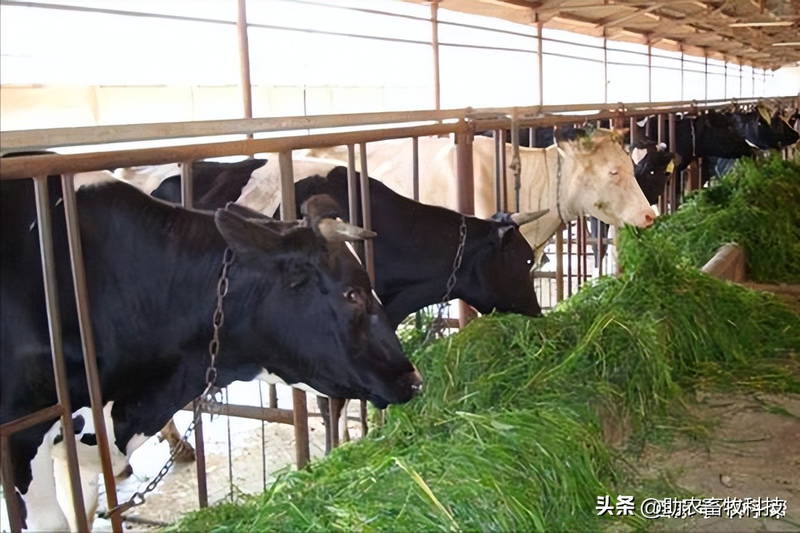
The most widely used method of multi-year black weed is dry grass, which contains as much as 13 ~25 per cent of coarse protein and has high nutritional value, as well as high levels of essential amino acids, particularly lysine and lysine. It is also possible to mix soybean pastures with soybean herbs, such as grass, so that the feeding is more effective and nutritionally comprehensive. The weeds that are harvested can be combined or cut to a minimum of 8-10 centimetres to feed herbs alone, or feed herbs and straws, then feed herbs of rye. Feeding cows can significantly increase milk production and can also reduce the amount of concentrate, with about 20 kilograms of grass per cow per day。
The roots of four times the length of the years of black wheatgrass are developed, but they are shallow, distributed mainly within 15 centimetres of soil, so they are also suitable for planting in orchards, with straight and smooth poles and strong invertability. If there is a desire to produce more, the following measures are taken:
1. Selection of suitable plots, rational fertilization, scientific cultivation and sowing, planting season, etc. The planting season is best in the autumn, with cultivation in august-november。
The seeding rate is 3 kg/acre (which can be harvested for years). The seeding is broadcasted in the main, with two centimetres of deep and covered soil, and then watered to the ground, so that it can sprouts in a normal week and so that it can grow in 10 days。
Weeds can be planted in the autumn less, but not less, and if small weeds can be removed manually, weeds can be treated more with chemical pesticides. Each cut can be followed up with cattle, sheep, pig urine or urea of 7. 5 kg per acre, promoting regeneration and increasing production。
High quality - high-yield seeds:
Caution: blackgrass usually returns early in the years, and it usually returns to the youth in april, so that it can harvest and feed in april, and if it is not cultivated in autumn, sowing in the spring of the coming year, it will take may or june to harvest fresh grass, and in some areas it will be too hot for the summer to pass summer, which will be a busy day。
Can you grow it in your area? It is more cost-effective to plant it than to produce one year of black grass, and if it is not good to grow it for many years, it is better to grow one year of black grass or 70 for winter。