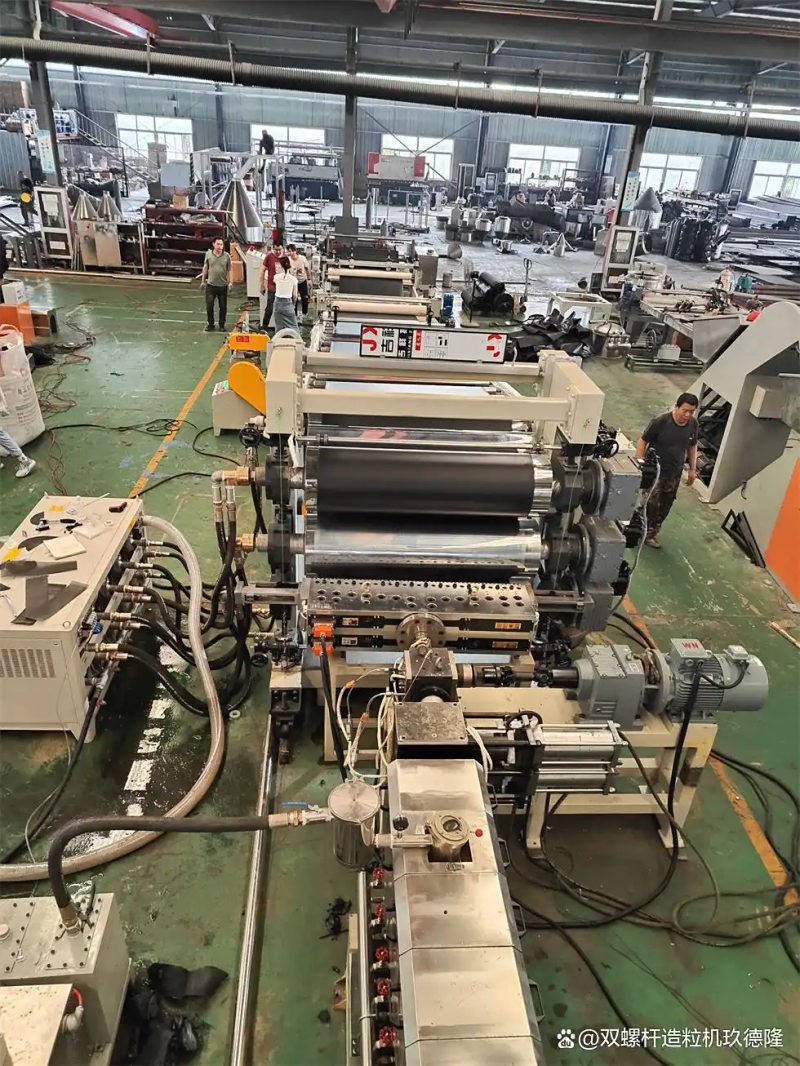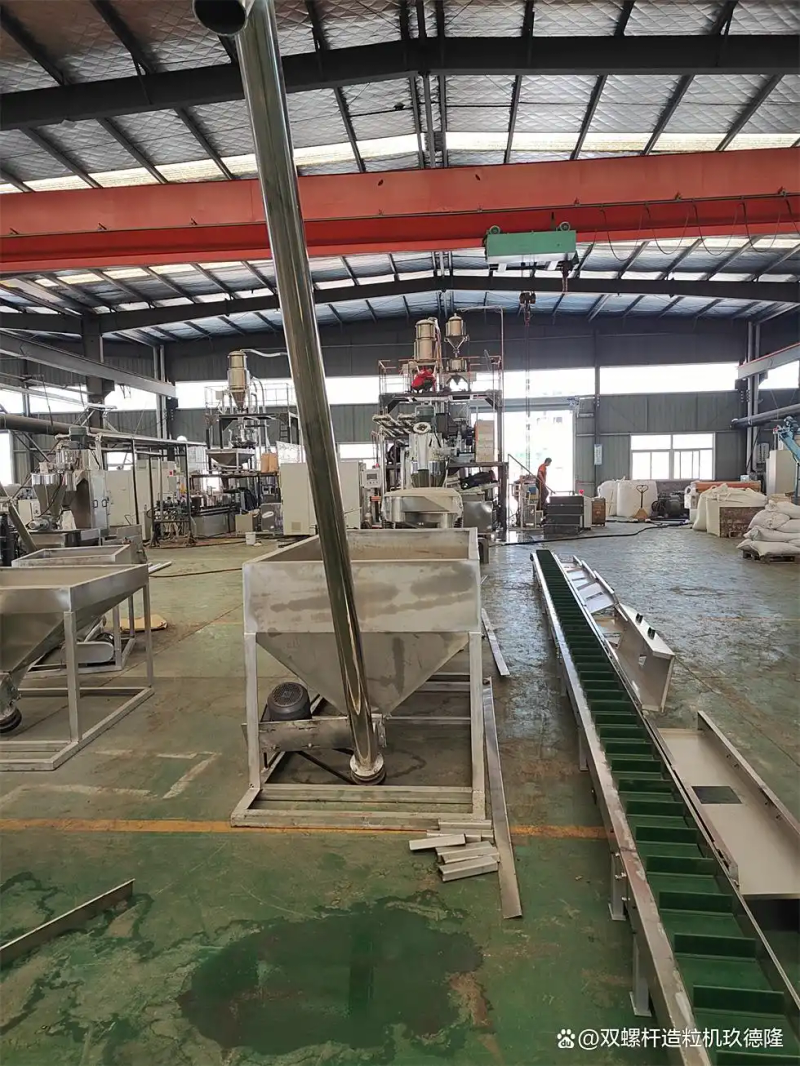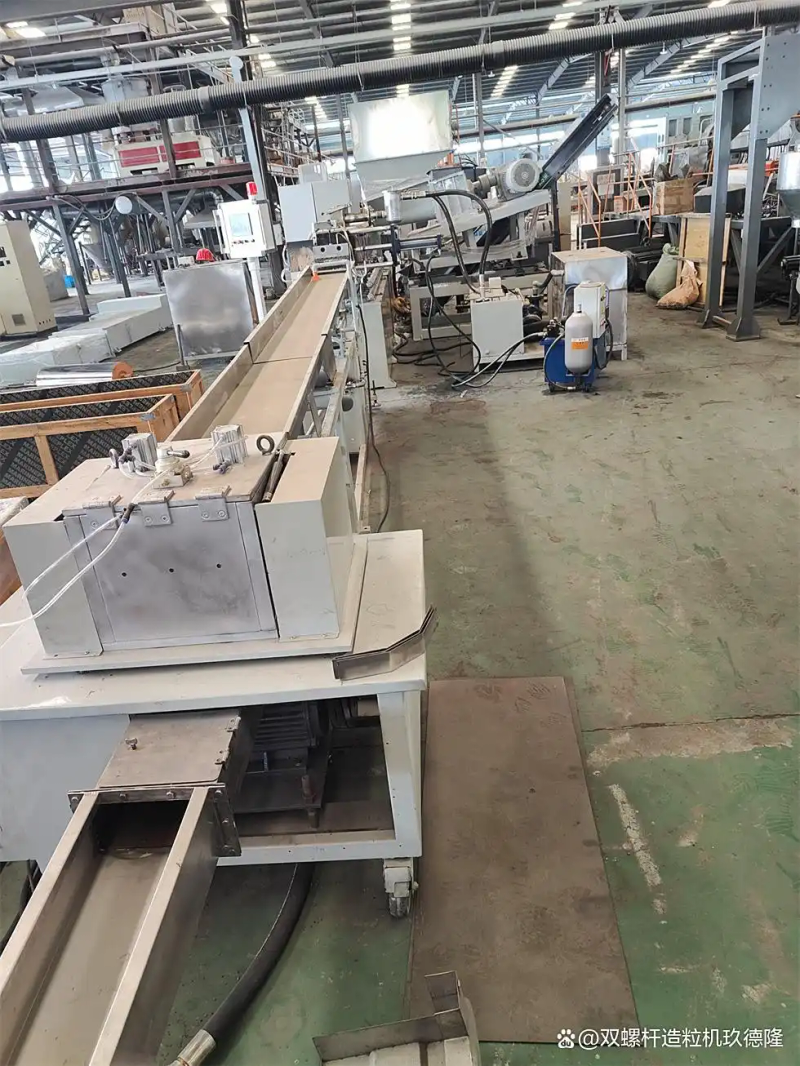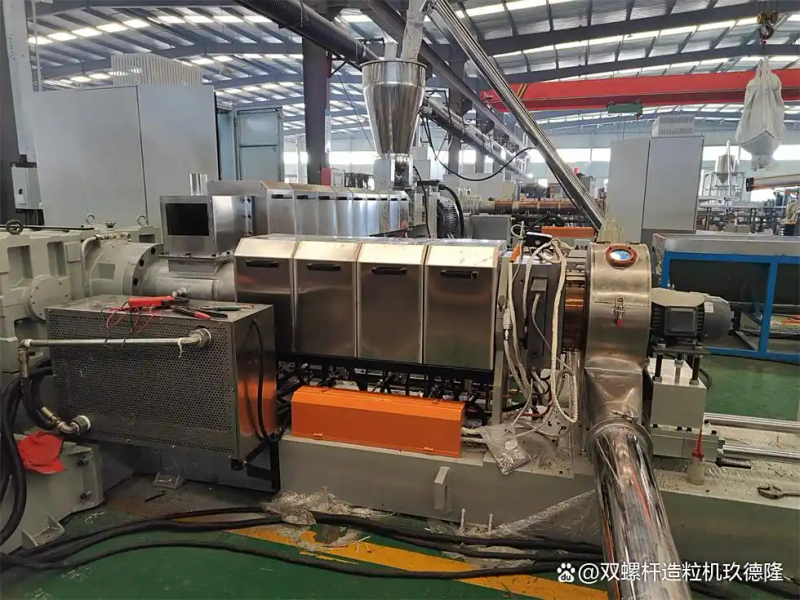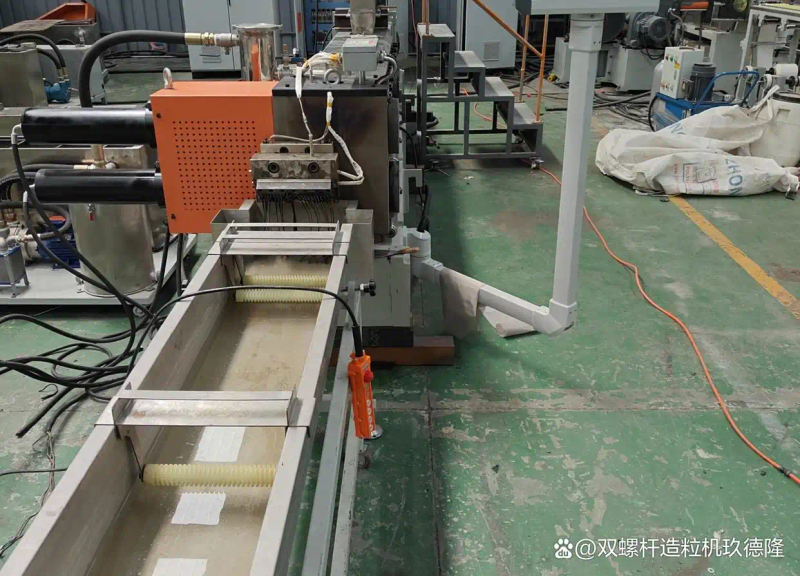


The technological development and industrial applications of double-snail squeezers, which are the core equipment in the field of processing high molecular materials, have been the focus of industry attention. This mechanical device, which enables the delivery, melting, mixing and extracting of materials through two condensed screws, by virtue of its efficient, flexible and stable properties, has become an indispensable production tool in many areas, including plastic modification, food processing and pharmaceutical manufacturing. This paper will explore in depth the technical principles, classification characteristics, application scenarios and future trends of double-heavy extruders and present the reader with an overview of this important industrial equipment. I. Technological rationale and structural design
The core of the double screw squeezer lies in the complex interaction of the two parallel spirals during rotational motion in the barrel. Compared to a single screw squeezer, the double screw system produces a "c" cavity chamber formed by a coding of the screws, which achieves a stronger cutting and more precise axle transfer。
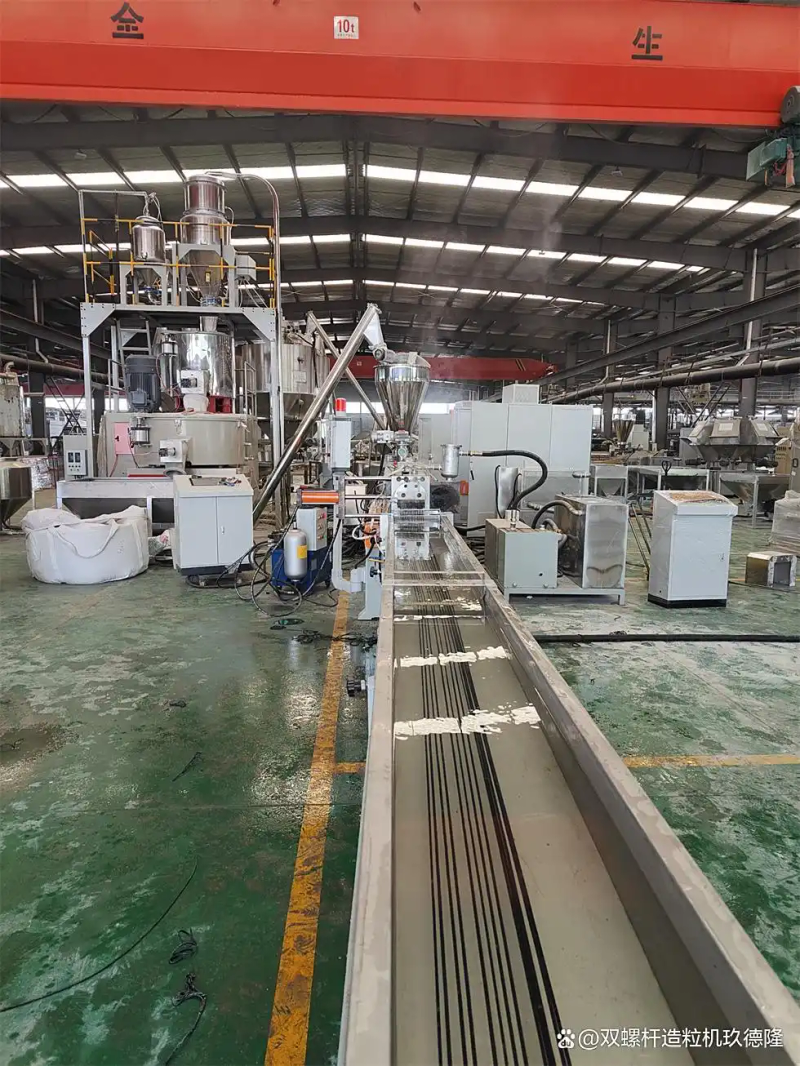

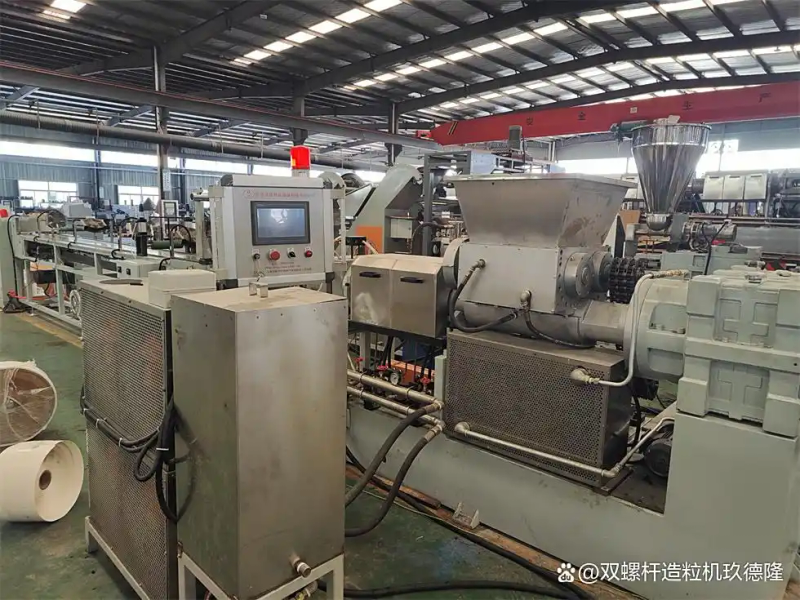

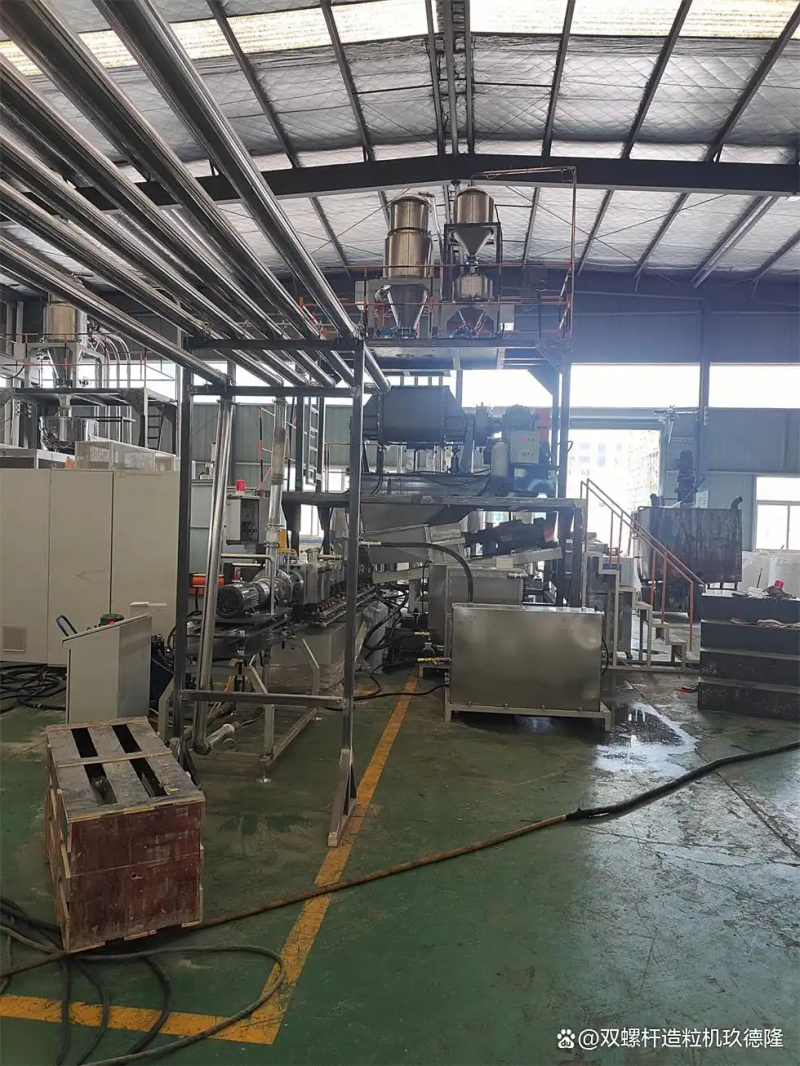
When the material enters from the feed mouth, it is broken into several successive cavities of the screws, which continue to form, disappear and drive forward as they rotate. This design significantly improves the controlability of material retention time and avoids the "bridge" phenomenon that is common in traditional single screw equipment。
The screw configuration is a key factor in determining the performance of the equipment. The modern double-heavy squeezer is designed in the form of a build-up design, and customisation processes are achieved through screw elements that combine different functions (e. G., delivery blocks, squeezing blocks, reverse elements, etc.). For example, squeezing blocks produce high-strength shears by misarranged discs, which apply to composite nanomaterials that need to be fully dispersed, while revolving elements can increase the mixing effect by extending the material's stay. The modular design of the cartridge, which is usually designed as a sub-structure, with each segment independently controlled for temperature and equipped with a vacuum vent to remove volatilizers, enables the equipment to adapt to the diverse needs of mixing from pvc particles to biodegradable materials。