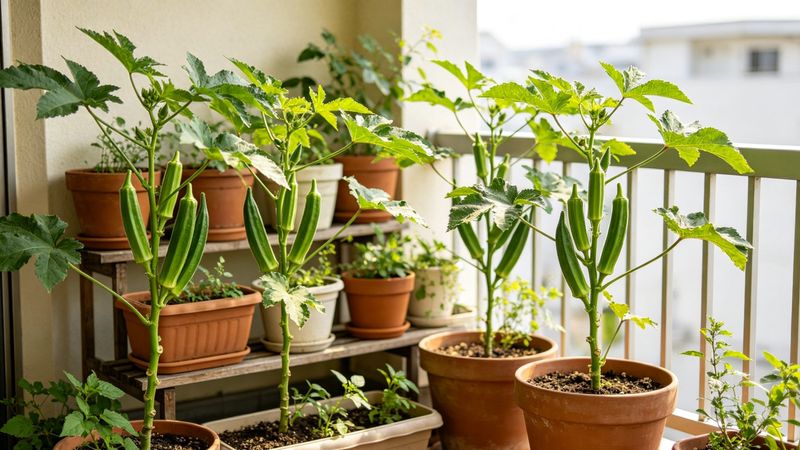
Iron platinum, a precious herbal medicine, is favoured by its unique medicinal and visual value. Cultivation of iron and stone in a family environment not only provides room for home but also benefits from its health. However, the cultivation of iron platinum is not easy and requires some skill and methodology. The following is a detailed description of the method of family cultivation of iron and stone。

I. Selection of an appropriate planting environment
Iron platinum was originally grown in a half-massive, warm and humid environment, so that family cultivation began with modelling such an ecological environment. The selection of a well-ventilated, light-dispersed position is essential. Avoid direct sunlight in case of plant damage. At the same time, the humidity of the planting environment is maintained, preferably at above 65 per cent。

Preparation of suitable soil
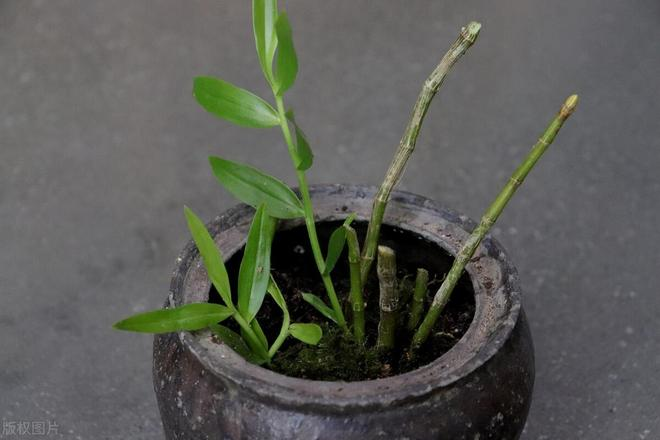
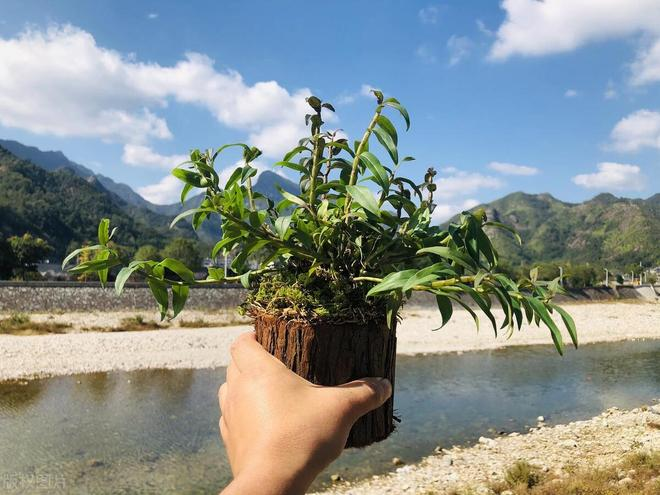
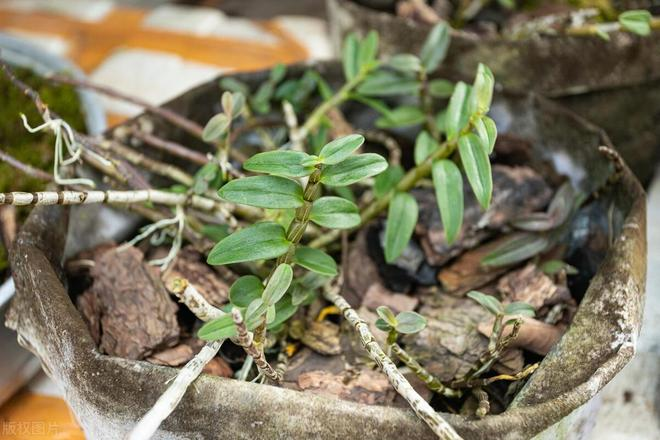
The roots of the platinum are special, and they like air-transmitting media. Therefore, when selecting a flower basin, it should be better to use a vagina or pottery pottery, which is well ventilated and facilitates the breathing of the roots. In the case of soil, the use of ordinary lands should be avoided, and the choice should be made between laxation, air penetration and water-preserving matrices such as moss, pine phosphorus, pearl rock and charcoal crumbs. These materials can be used either individually or in combination to meet the growth needs of iron platinum。
Control temperature and humidity
Iron platinum has a high temperature requirement and the optimal growth temperature is between 18 and 28 degrees. Temperature measures, such as shades, water sprays, etc., are required during high summer temperatures, and winter attention is required to keep warm and prevent too low temperatures from causing freezing of plants. In addition, the maintenance of air moisture is essential and can be increased through regular water spraying and the use of humidifiers。
Iv. Rational water and fertilization
Iron platinum likes wet environments, but it's afraid of water. The application of the “dry-and-wet” principle to water should be followed, i. E. When the soil surface of the basin is dried up, before the roots of the basin are decomposed. During growth, the frequency and quantity of water can be increased as appropriate to meet the demand for plant growth. At the same time, the demand for fertilizers is low, but adequate fertilization helps them to grow and grow. Obsolete organic fertilizers or special fertilizers may be selected for application, with attention to thinness and diligence, in order to avoid overburning the roots of the fertilizer。
V. Pest management
Iron platinum may be exposed to pests and pests during growth, such as anthrax, foliage and aphids. In the event that symptoms are detected, measures should be taken to combat them in a timely manner. For disease, leaves can be cut off and corresponding fungicides sprayed; for pests, natural insects or low-toxic insecticides can be used to combat them. At the same time, maintaining clean and ventilated farming environments is an important measure to prevent pests and diseases。

Vi. Methodology
In the case of family cultivation of iron and stone, breeding methods can be used, such as incubation and separation. Plumbing shall select unflowered and more abundant tubings as an inch, which shall be cut into segments and inserted into the moss and peat mix matrix and shall remain semi-moisture for rooting. The reproduction of separate strains can take place during a change of basins or separate strains, with the mother being divided into small strains and then grown separately。

Vii. Notes
1. Avoiding strong-light directness: iron platinum is afraid of strong-light directness and needs to be maintained in areas where there is sufficient dispersive light。
2. Maintenance of ventilation: a good ventilation environment helps to reduce the incidence of pests and diseases。
3. Periodic change of basins: with the growth of plants, regular change of basins is required to provide greater growth space。
4. Observation of the state of growth: periodic observation of the state of growth of the plant and timely detection and management of anomalies。
In the light of the above, the cultivation of iron and stone by families requires the development of certain techniques and methods. By selecting suitable planting environments, preparing suitable basins of soil, controlling temperature and humidity, rational water and fertilization, and making good use of pest and disease control, we can successfully plant healthy iron and platinum in the home environment。