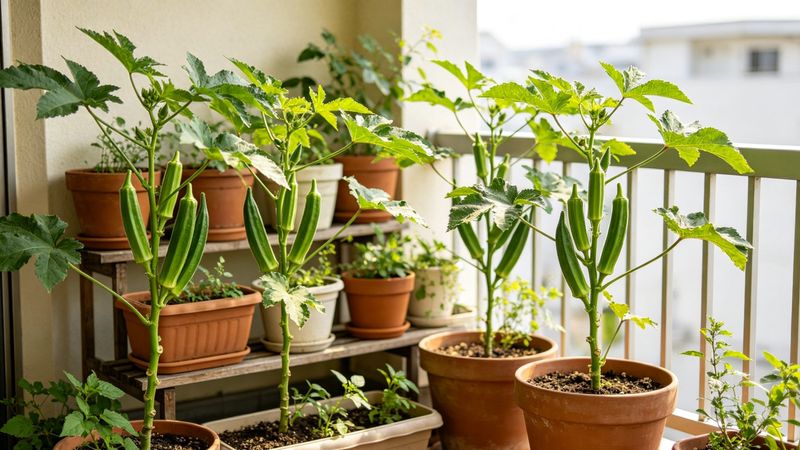
How do you grow iced vegetables? They're so nutritious, they're delicious, they're unique. Have you ever touched or eaten? Today, a young editor of the wei nobo network is taking you to learn how to plant cold vegetables。
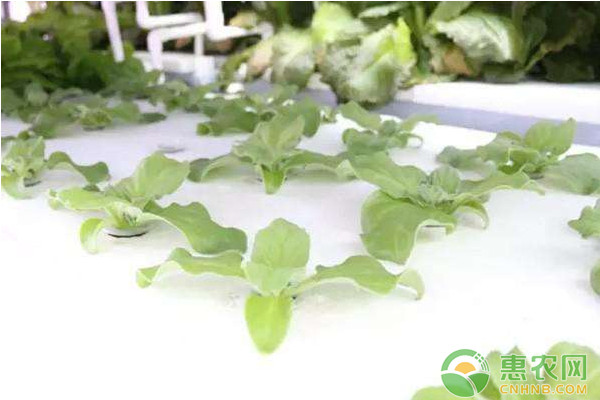
1 cultivation
1. 1 seed selection
Ice seed is small and fresh seed full of seed grains is selected for seed。
1. 2 nutrient soil formulation
1. 2. 1 land selection
A sandy garden of garlic or beans is chosen to break the sift。
1. 2. 2 choice of organic fertilizers
Agricultural fertilizers such as high-quality organic fertilizers or fully fermented, high-quality livestock, poultry, etc., are selected for marketing, pre-sterilisation, crushing and screening。
1. 2. 3 nutrient soil formulation
The above sifted garden, organic fertilizers (or farm fats) are mixed at the rate of 2:3 and tan, while 50 g urea, 80 g ammonium phosphate, 8kg grasswood ash, 100 g rooting, are added to the nursery equipment, which is usually used on an off-the-shelf basis。

1. 3 cultivation
Before seeding, seeding takes place with 20-30°c warm water, 2-4h. The iced vegetables are cold, cold and hot and can be sowed at temperatures above 15°c, but not above 25°c. Ice seeds are very small and tend to be transplanted. The seedlings can be sowed with a drop-down or flat-share of two species, with the first 1 d seeding, with nutrient-fed soil fed into a lair or flat-share, with water pouring through, waiting for the leaching to be dried, and with 2 to 3 seed seeds per lavender; and a flat-share of 7 to 8 cm, with 3 to 4 seed seeds distributed after 0. 3 ~ 0. 5 cm thick nutrient soil, during which the temperature is kept humid, about 6 to 8 d and around 12d seeding ends。
1. 4 cultivation management
After seedling, the temperature is within 15 ~ 25 °c, preferably above or below 20 °c. In low-temperature seasons, the temperature is increased by measures such as membrane cover; in high-temperature seasons, the temperature is improved by measures such as ventilation and cover. The light of the seeding season is suitable for weak light, and it is gradually reinforced at a later stage in order to prevent the longing. Since ice cream is dry and wet, water management is based on the principle of “dry-watering”. Adequate light should be given at a later stage in order to prevent the master. When seedlings are produced, the weak, over-crystalized seedlings are removed in a timely manner. In principle, one seedling is planted in a cave, or one seedling is planted at a distance of between 7 and 8 cm, approximately 25 to 40 d, with approximately 4 to 5 leafs。
2 emplacement
2. 1 land selection
Ice-cuilled, well-silent environment, with as much as possible choice of lax, well-drinked sandy soil as possible, and with low-lying and compact soils。
2. 2 fertilization of whole areas
Before planting, more than 20 cm, combined tillage, with organic fertilization of 1,000 - 1,500 kg, compound fertilization of 25 - 30 kg per 667 m2. The whole strip is made of 1. 0 ~ 1. 2 m, 25 ~ 30 cm tall, 30 cm wide, and the deep groove is high。
2. 3 implantation
Before planting, 1 - 2d with drip belts, coverings, dripping water. The usual range is around 20 cm x 20 cm, choosing to grow strong, consistent, well-developed, disease-free, 4 to 5 foliage-free seedlings, which are too secretive. After planting, drop the root water。
2. 4 post-plant management
2. 4. 1 temperature light management
Watch the control temperature after planting at 15-30°c. If the temperature is less than 15°c, a microcage is constructed to increase the temperature appropriately; if the temperature is higher than 30°c, the temperature can be reduced by appropriate ventilation, shades, etc., to provide an appropriate ambient temperature for the growth of ice vegetables. The glacial light requires sufficient light throughout its growth。
2. 4. 2 fertilizer management
The same attention is paid to water control after planting, and moisture affects both commercial and dietary properties. The moderate control of moisture, which facilitates the formation of crystall particles, increases commerciality. The water is overdone, the crystal particles are reduced, salty, and the taste is poor. Thus, water is held in time to be replenished in the event of a slight atrophy of the leaves in order to be utilised. In general, no fat can be sprayed for long periods of time, but if growth is weak, water can be sprayed with vinegar per 1 m3 lobe (1,000 ml vs. 45 kg), or with 2% of special folate fertilizers (consumer should contain n, p, k and trace elements) 45 ml per 7-10 d sprayed once。
2. 4. 3 dip salt water
Ice cuisine is highly saline-resistant, a type of saline plant that can grow off the coast. In order to improve the taste, the plant is replaced with a suitable quantity of salt in time for planting, approximately 25 to 30 d dripping of salt water at a concentration of 2 per 1,000, with later concentrations gradually increasing to 4 per 1,000. If you don't grow iced vegetables, drop salt water a month before harvest。
2. 5 pest control
There are very few pests and diseases in ice-cooked vegetables if the temperature is appropriate. However, the planting period is too dense and wet to pass, especially in cold, high and wet conditions, and can be treated 500 times as a fungus wet powder. There are occasional aphids, white lice, etc., and physical control can be done using methods such as yellow viscos or anti-worm nets, with no application in principle。
3 harvest
The iced vegetables cut the side branches with scissors around two months after planting, when the side branches are 10-15 cm. The cutting branch needs to leave one pair of functional leaves to ensure that the subsequent secondary branch grows. Once taken, the food is consumed or cold。
We're finished today with the idea of growing ice cream. Interested farmers' friends can learn more