


The soybeans, because of their abundance of protein and their high economic value, are the economic crops of choice for growers. Although soybeans are well grown, it is important to consider whether the local climate, soil, water fertilizers, etc. Are sufficient for soybeans to grow in order to achieve the best economic benefits. So, what are the techniques for soybean cultivation? How can science grow? Guys, look down。
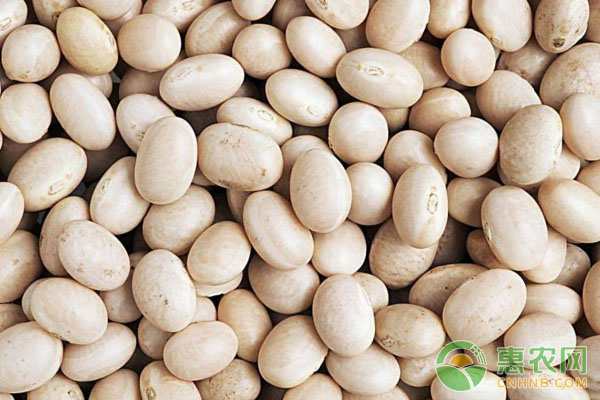
1. Rotation and intermission
Rotation is determined on the basis of local crop cultivation rates, as well as fertility, spatial use and production levels, soybean fertility is fully realized and other crops are managed effectively. Intercropping and cropping take into account the type and purpose of the soybean species, which are shorter in their early years and more in their late years, and are therefore selected according to local natural conditions, farming systems and planting days。
Soil preparation
The planting is preceded by preparation for flat-shattering, mashed, drudgery, deep-seated preparation and irrigation of water once in the two days preceding planting, so that the soil is humid, which is conducive to seed breeding. Herbicides such as fluoropolymer and lasso are sprayed before seeding。
3. Varieties selection and seed processing
For fertile, rain-fed and well-planted areas, water-fertilized, strong and well-developed varieties are chosen; for poor soil fertility and arid areas, high and long-lasting varieties are selected; for the same area, different varieties are selected according to soil quality, topography, fertility, irrigation, etc。
Before seeding, the insatiable species of insect particles and particles are to be removed and, in order to combat insect pests such as rota, maggots, tigers, etc., can be fertilized with a seed volume of 0. 1%-0. 15% thion, or 0. 7% velvet powder, or 0. 3%-0. 4% polybacterium (1:1. 1) or 0. 3%-0. 5% more fungacdan (1:1. 1). It is important to note that the mixing with insecticides and fungicides is not possible with the use of root tumours。
Seeding
The planting season should preferably take place in late april and mid-may. Both premature and late soybean planting is detrimental to soybean growth, and therefore should be done in a timely manner. Late planting, soy seeds, though fast, are not strong and may be poorly grown. In general, soil depths of 5-10 cm, temperatures of 8-10 degrees and soil water content of 20% are most suitable for sowing。
5. Field management
When seedlings are released, timely seedling detection is carried out, usually with the best effect of spreading over the leaves. Medium-cropping, based on the growth of soybean seedlings, may not be more than 3. 5 cm in depth, and water-poor fields may be ploughed with fresh water, preferably by spraying if conditions permit。
During fertilisation, urea is generally applied in the range of 50-60 kg/hm2, ammonium phosphate in the range of 200 kg/hm2 and potassium sulphate in the range of 200 kg/hm2 and soybeans in the range of 37. 5 t/hm2. If managed, it would not be a problem to achieve 40t/hm2. At the time of fertilization, three types of fertilizer can be used, which can be combined with a combination of subterranean pest control drugs, with one-time deep application at the bottom and, at the end of the medium term, mainly on the leaves, with more than three applications of nitrogen fertilizers for pre-flower, florist and drum periods, which can be effective in increasing yields。
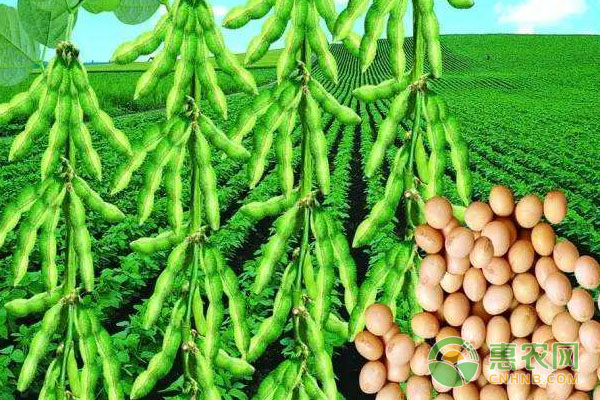
6. Pest management
The main target is heart-eating, with only three approaches. One is phorate, which is spread every four to five steps, one small pile at four to five steps, and one small pile at four to five steps, while the other is cotton ball with diarrhea, which is immersed in diarrhea, which is inserted in the soybean field, and one small segment per five centimetres per hour; and the third is timely harvesting, which is followed by an exercise immediately to prevent heartworms from hiding in piles and continuing to encroach and effectively reduce the incidence of pests。
7. Collect in due course
When the soybeans are separated into black, they mature, and when the seed is shaken, they enter full maturity, harvesting within these two maturity periods, then laying a sun, and if the seed water drops to 12 per cent, then they can be stored in time。



