The cultivation of medicinal plants in previous years has been a very popular project, and it will be recalled that at that time a large number of seed companies boasted of the very high value and market potential of some of the drugs, as well as of their recycling, encouraging farmers to purchase seedlings and grow them in large quantities. While it is true that some of these drugs have very high market potential, in most cases they are a sham by businesses. In addition to this, there are a number of pits to plant, of which wind and wind cultivation is one. When some farmers see some medicine to earn money, they grow on a wind scale, such as the previous heavy buildings. The heavy buildings, once a popular planting project, now fall from the price of the sky to the ground, less than $150 per pound, to the detriment of their species。
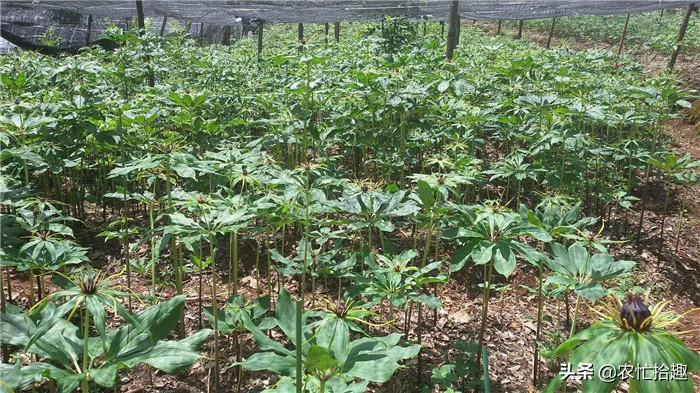
It is branded as a seven-leaf flower, which is more unique, and, like its name, contains a flower on seven leaves. The heavy buildings have a high value for medicines, the main component of which is root, and have been applied for a long time in chinese medicine history. As shown in lee's medical book, it has since become a common medicine in everyday life. The efficiency of heavy buildings is also greater, with the former underdevelopment of health care in rural areas and the use of heavy buildings by some old farmers, precisely because many farmers see them in the field and pick up some spare parts。
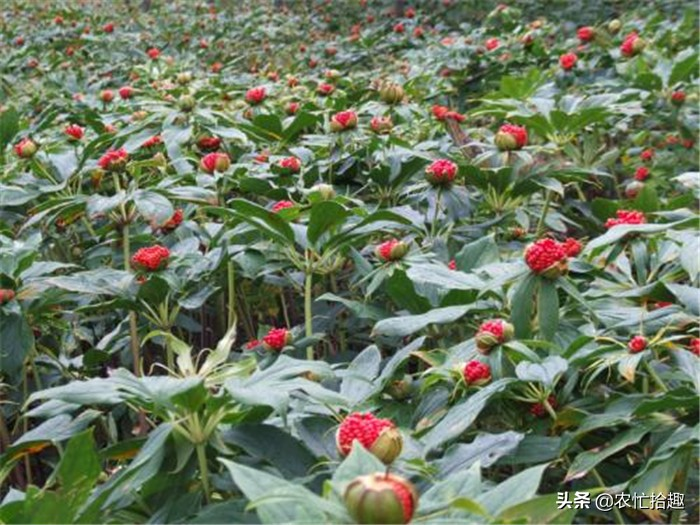
Most of the buildings in the wild tend to be under the forest, or under the bushes, and for nearly 20 years the buildings in the wild have been constantly dug up, becoming scarce, and prices have risen to thousands of dollars per pound. This, together with the growing demand for some pharmaceutical plants, the high prices and the unchallenged characteristics of the market, has attracted a large number of people to grow, and the heavy buildings have become popular planting projects. Market prices for heavy buildings used to be high and farmers were profitable to grow, but in recent years the market for heavy buildings has not been good, falling from the price of the day to the ground, which is a cause for alarm。
The price increase in heavy buildings was due to small quantities, but the market demand was high, and the price of heavy buildings fell along the way with the growing number of growers, resulting in dry goods falling from a thousand pounds in the original to more than 300 today. It's just the price of dry goods, with heavy buildings being cheaper and less than $150 a pound。
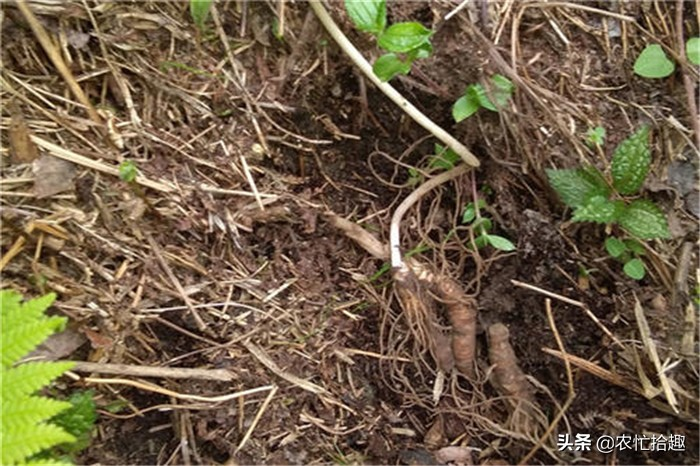
When we look at the prices of the heavy buildings now, and compare the previous hotfires, the situation is a loss. The quality of the heavy buildings that are planted is mixed, and many growers do not systematically learn how to grow them, so many farmers grow heavy buildings on the basis of feelings, and many of the products that eventually are produced do not meet the requirements for medicines. This, coupled with the ongoing fall in the prices of heavy buildings and the long planting period, is now low, while those planted in previous years will be added to the market in the coming years, and prices may fall further。
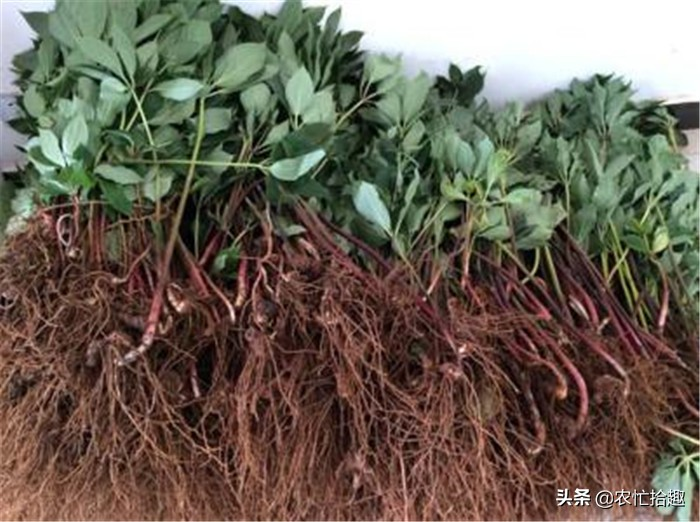
It is not a wise option for growers to grow heavy buildings, and the biggest market for chinese medicine is to take drugs. If the medicines planted do not meet the criteria for admission, the growers are throwing money for nothing, so it is more difficult to grow heavy buildings. It is also a long-term, three years (planted with seedlings) and seven to ten years (planted with seeding), and prices are now falling and harvests are expected to wait for several years, among which the risks are too high, especially on a scale, and many farmers are not actually resilient。
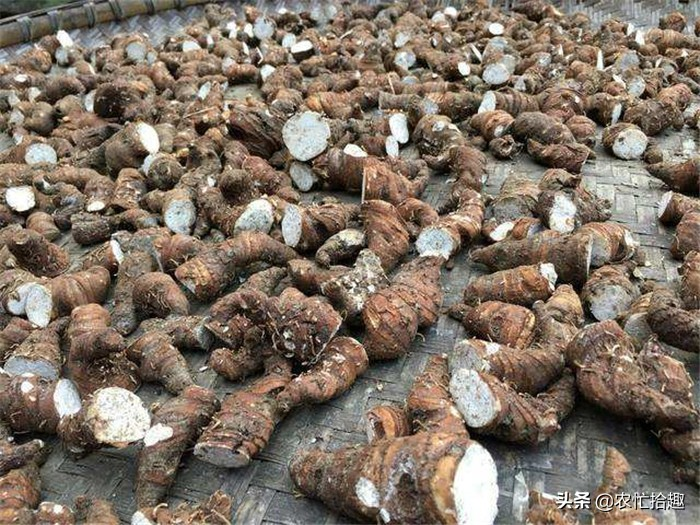
Many growers say that they have been selling seed and seeds for profit in recent years, and that, as prices continue to decline, a small number of farmers are already afraid to replant them, some of them returning to the macah. In fact, the matter of planting medicine is different from that of planting fruit trees, where fruit is at least a daily consummate, where there is a large market and where the distribution of medicines is relatively narrow. What do you think