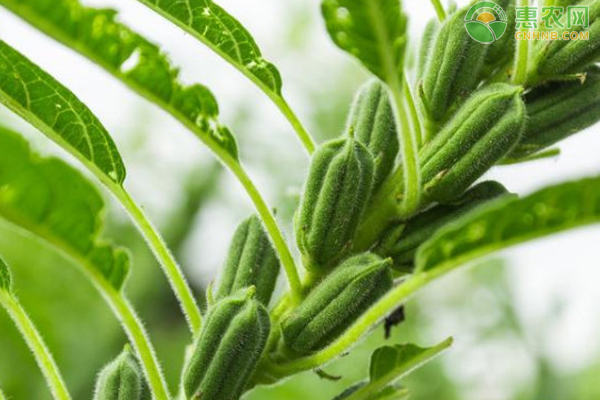
Sesame is a blessed plant that is widely grown in rural areas, and it prefers to grow in an environment where soil is lax, soil is fertile and humidly fertile; sesame cultivation requires certain planting techniques, but only if it is based on a choice of origin, fertilisation in the field, scientific fertilisation, intensification of field management, enhancement of water fertilisation management, enhancement of pest and disease management, timely harvesting, and the belief that sesame cultivation will yield a good harvest。
One, the preferred source
Sesame cultivation was chosen as a source of seed for a strong, flourishing, sunlight-oriented, disease-free and naturally mature plant, with seeds not stymied and other inappropriate storage practices; or directly to seed-exporting institutions for the purchase of quality seeds developed and developed by the technical sector of agricultural plant protection as a seed source。
Two, fertilize the whole place
Since sesame is a fine crop and the seeds are small, sesame soils need to be ploughed and the surface * must be crushed flat; before precision farming, 4000 kg of fat for each mature farmer, 50 kg of combined fat for phosphorus, 75 kg for nitrogen and 1 kg for boron。
Three, shizuku
Sesame cultivation is generally sowing, and since sesame seed grains are small, it takes 300 to 500 grams to use the acreage, depending on the geological and growing environment. The seed is soaked into the field with three times the fine sand, the seed is sprouted with rake, and in a week's time, the seed can come out of the ground, and when the sesame seedlings grow into two real leaves, the first seedling may take place between them to remove the aging and small growing seedlings; when sesame is grown up to more than three leafs, one sapling can take place at a time, and the standard is to stay small and strong。
Iv. Fertilizer management
Sesame prefers wet soil and does not need to be flooded, and if it is not too dry, water is not generally required; when sesame is planted, 500 kg of human animals urine is applied to the acre to induce its transduceration; during sesame buds, in order to stimulate the lumbering and avoid early decay, nitrogen fertilizer can be applied to an acre equivalent to 50 kg, 15 kg of potassium phosphorus fat and 1 kg of boron fat can be applied to herbs。
V. Pest management
The diseases of sesame are mainly folate, disease, asphyxia, and foliage; a sesame leaf ailment can be sprayed with 80 times the dose of 70 per cent dyson manganese zinc or 50 per cent more than 500 times the fluid; the disease can be sprayed with 75% baccalaureus 500 times more liquid, with a good inhibition, and asphyxia can be sprayed with 700 times more polybacterium; leaf spots can be sprayed with 1,000 times more than 75 per cent of the cent of the population; for sesame pests, new high-efficiency wide-spectrum safe potassium salt is also used for spraying, which not only inhibits the disease but also kills most pests。
Six, take the top
Sesame sesame in the later stages of growth, where appropriate, can optimize the sesame fertility environment, improve nutritional output, protect against premature sesame decay, and achieve a significant improvement in production and the quality of commodities; the period of strangulation is usually one week after the early flowering period, or three weeks after the initial flowering period; the sesame rises so easily that it is too late for the top, while the long and weak plant is so heavy that it is early for the top; and the method of sesame sesame strangling is simple, i. E. By strangling the top of the sesame。
Vii. Timely collection
Sesame harvesting is better in the morning and the evening, so as to avoid, to the extent possible, sesame harvesting during the sunstorm at noon hours; farmers are required to harvest it in a timely manner, based on sesame longness and the upper oscillation so as to avoid the early harvest being affected by the deterioration of the quality of the silt production; and late sesame seed spilling has to be avoided。
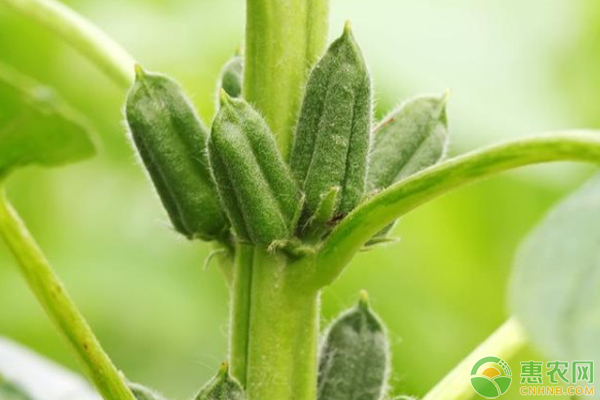
Sesame is a warm crop that is planted in most parts of china at a suitable growth temperature of 20 to 35 degrees, and growers are required to reap the full harvest of sesame cultivation based on the growth habits of sesame crops, through preferred sources, rational planting, control of water fertilizers, pest control, capping and harvesting, scientific cultivation and scientific management。
You may be interested in, and welcome to read, the content of the following recommendations of the network:。