Prostate cancer is the main killer that threatens the health of our elderly men. In shanghai, prostate cancer is already in the fourth place for male malignant neoplasms, and the highest among all malignant neoplasms in the urology system. At the 2021 river prostate cancer summit, held on 9 july, the president of the general assembly, a member of the caca-gu of the china society against cancer, and professor yettingwei, a member of the committee of experts for clinical cancer of the china society for clinical oncology (csco), said that “prostate cancer is a classic `rich cancer' and that the incidence of prostate cancer in our country has increased significantly with the improvement of living standards and the westernization of dietary habits, but the survival rate is still lower than in the european and american countries for five years”. This is due to the low rate of early detection, with nearly 70 per cent of prostate cancer patients in the middle and late stages and a large number of late-stage patients not being able to live well, as well as the lack of precision treatment strategies as a result of insufficient research into the genomics of prostate cancer。
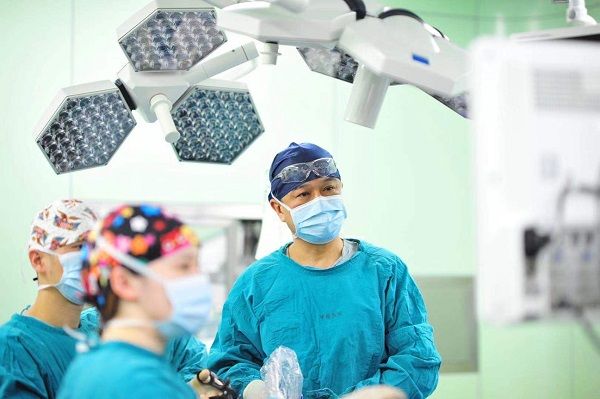
Figure: prof. Yeddwig says prostate cancer is a typical “rich and expensive cancer” for respondents
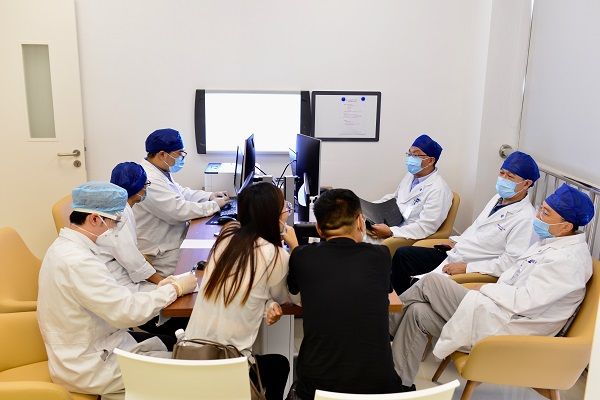
In recent years, under the leadership of professor ye dingwei, chief specialist, the mdt team of the university of jordan's auxiliary oncology hospital in urinous tumours (mdt) has updated the selection of screening markers for early diagnosis and precision treatment of prostate cancer, spearheading the nationwide roll-out of the community screening model for prostate cancer, carrying out early precision surgery for patients with prostate cancer (individualization of the da vinci robotics, abdominal lens or open surgery programme), with a medium-term precision phase, advanced precision comprehensive treatment (a combination of drugs, surgery, freezing or radio frequency) and exploring and promoting the chinese mdt model for early detection and treatment of excretary tumours. Over the years, over 400 medical centres have benefited from the mdt platform。
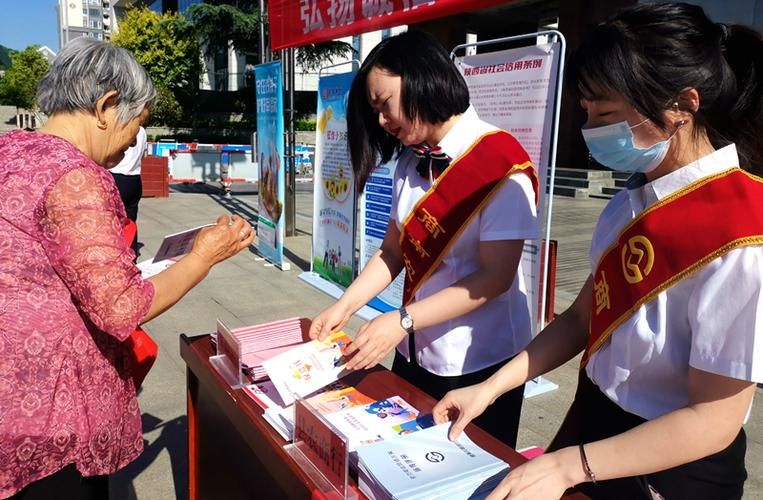
In response to the lack of screening for prostate cancer in the country, the team of professor yeddwei launched a “revolved strategy” for screening for prostate cancer in china, using the model of the prostate screening base + prostate screening service, to sink high-quality resources from regional medical centres to communities and increase popular participation and visibility. It was described that the project had been in operation for more than three years and that it had visited 25 communities to screen 3502 people with precision and to identify 44 people with early prostate cancer, 35 of whom had been referred to the university of jordan oncological hospital for root surgery at the first time via the green channel。
According to the chart, professor yeddwig's team launched the "rehabilitation strategy" for screening prostate cancers in china
In 2020, the country's first “prostate cancer screening clinic” was opened at the university of jordan's oncology hospital (pudong hospital) to provide easy one-stop diagnostic services such as risk assessment, free testing, interpretation of reports, green access to the prostate cancer, etc. For high-risk and healthy populations, and to move the early screening of prostate cancer “a big step” forward, benefiting a larger number of people with early prevention and treatment。
The oncology hospital is known to be one of the first units in the country to introduce an integrated multidisciplinary treatment model, and as early as 2005, it was the first in the country to set up a multidisciplinary treatment team for urinary tumours. In 2018, professor yeltsin wei launched the chinese urological neoplasm mdt platform on line. The platform doctor can be stationed, as can the hospital. Patients can apply for the highest level of multidisciplinary consultation service in the country in close proximity to a hospital already on the platform, with the help of an online passenger service; when a doctor is in the country, he or she can view the process of multidisciplinary consultation at the highest level in the country and upgrade his or her level of treatment; and when a hospital has a multidisciplinary team in place, he or she can consult with multidisciplinary teams in major centres in the country for a group of suspected cases。
At present, china's mdt platform is used as a vehicle for over 400 medical centres throughout the country, and 21 of the world's leading urinology centres are located on the platform. The platform builds and improves the mdt database on urinary tumours by means of internet tools and artificial intelligence technology, improves the efficiency of data collection, conversion and keeps it up to date, making it a truly “model room” for multidisciplinary and integrated treatment of tumours in china。
A correspondent, wang guangming, a reporter for the new people's evening