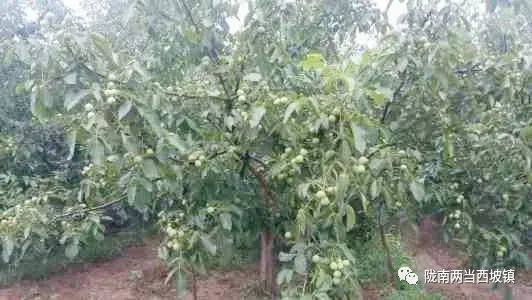
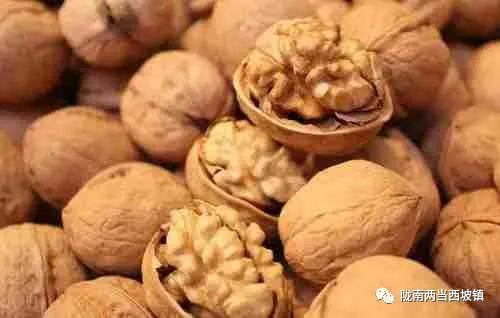
I. Basic conditions for the establishment of parks
1. The climatic conditions at the site are in line with the planned development of walnut varieties and their external conditions。
2. Soils are best served by good water retention capacity and air-transmitting and sandy soil。
3. Irrigated water sources are available for the construction of gardens in arid and semi-arid areas below 500 mm of annual rainfall。
4. An annual rainfall of more than 1,000 millimetres shall be built in flat and low-lying saline areas, with drainage and salinization systems in place to create favourable conditions for the normal growth and development of walnuts。
5. Land should be built in relatively broad areas, in accordance with the policy requirements of our base farm protection system, and in order to resolve disputes over land。
6. Without environmental pollution, the adverse effects of industrial exhaust, sewage and excessive dust can be avoided。
7. Places where trees are grown in front of trees are non-willows, yang trees, euphemisms, peach trees and walnuts. In addition, transport conditions at the site, technical capacity and a combination of production, supply and marketing conditions should also be taken into account in the selection of the site。
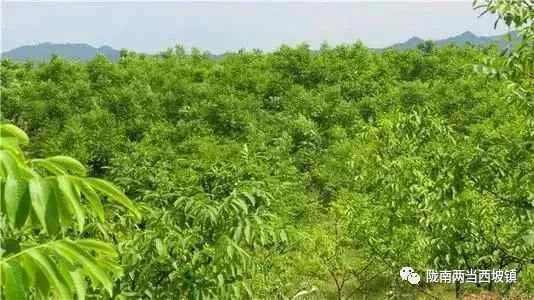
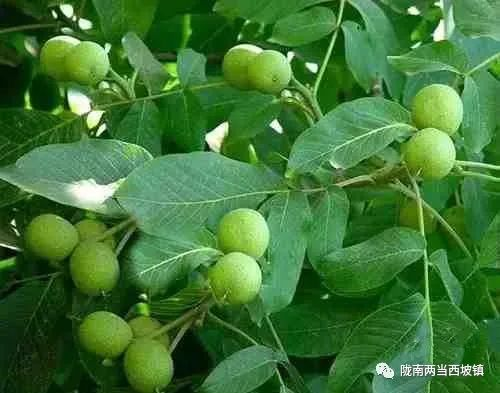
Principles for walnut gardening
At present, our land management system, which is based on the responsibility of home-based co-contracting, imposes chinese-specific requirements for walnut gardening in the design of walnut lands. Thus, planning is conducive to achieving the development objective of “planting, regulating and standardizing production”, meeting the development requirements for increasing the competitiveness and development efficiency of the market for walnuts in the country, as well as adapting to split operations, mechanization operations, decreasing labour intensity and management costs, playing an active role in the development of the economy in the region and laying a good foundation for the further development of dynamic industries。
The main principles that should guide the design of walnut gardening plans, which are designed in accordance with the overall local socio-economic development plan, the national economic development plan and industrial development requirements, are:
1. The planning and design of walnut gardens shall be based on a combination of local natural, physical and other considerations, in accordance with the construction guidelines, direction and requirements of the park。
2. To choose the appropriate species according to the type of establishment, the varieties may be divided into main plant varieties and matching varieties. The main plant varieties should be those that perform well in terms of abundance, resistance and so forth, through tests compared to local varieties, and that are compatible with those that meet the needs of the main plant species and have a certain quality。
3. Standardized walnut gardening can be divided into two main types, depending on the characteristics of the main plant varieties and how they are configured and planted. One is a concentrated series of pure gardening, while the other is walnut cultivation with crops or other fruit trees, and pharmacological cultivation over long periods。
4. Management and operation that facilitate mechanization in order to reduce labour intensity and management costs. In the case of complex terrain, parks that can satisfy mechanized operations through governance should be planned with stronger governance content, governance and subsequent development。
5. Adequate attention is paid to the design of groundwater tables and drainage systems, requiring both dry and water drainage。
6. The inclusion in the planning of engineering measures to create favourable conditions for the growth and development of walnuts, such as soil improvement before gardening, water conservation, etc., and of measures to clean the ground before planting, such as digging pits (treads), fertilizing and watering, and soil improvement methods, are important for achieving high quality production of walnuts。
7. In planning design, efforts are made to integrate organically the components of roads, forests, drainage and irrigation, and to increase the land use rate so that walnut trees cover no less than 85 per cent of the land area。
8. To adhere to the principles of development based on short-term nutrients, integrated use, stereo-development and integration of fruit-farming, with a view to achieving full value for land use and maximizing development benefits。